


May 22, 2024
Sep 21, 2026
Amway, Affiliates Agree to $225 Million Settlement Over FTC, Washington Deception Allegations
.svg)

.svg)
.svg)
.svg)
Key Takeaways
- Record MLM Recovery: The $225 million judgment would be the largest monetary recovery obtained by the FTC in an enforcement action against a multilevel marketing company.
- Earnings Claims Challenged: Regulators allege Amway affiliates promoted the prospect of earning more than $40,000 annually, while only about 1% earned that much.
- Most Participants Lost Money: According to the complaint, most people who joined Amway and the two named affiliates after 2020 spent more on products and training than they received in income from Amway.
- Sales Practices Face Overhaul: The proposed order would require participants to resell at least 70% of their monthly Amway purchases and would impose new sales reporting, auditing, training and recruitment requirements.
Deep Dive
Amway and two of its largest affiliates have agreed to a $225 million judgment to resolve allegations that they used unfair and deceptive practices to recruit people into Amway's multilevel marketing business and keep them buying products once they were there. Nearly all of the money would go to participants who lost money after being recruited by the two affiliates, World Wide Group LLC and Leadership Team Development Inc.
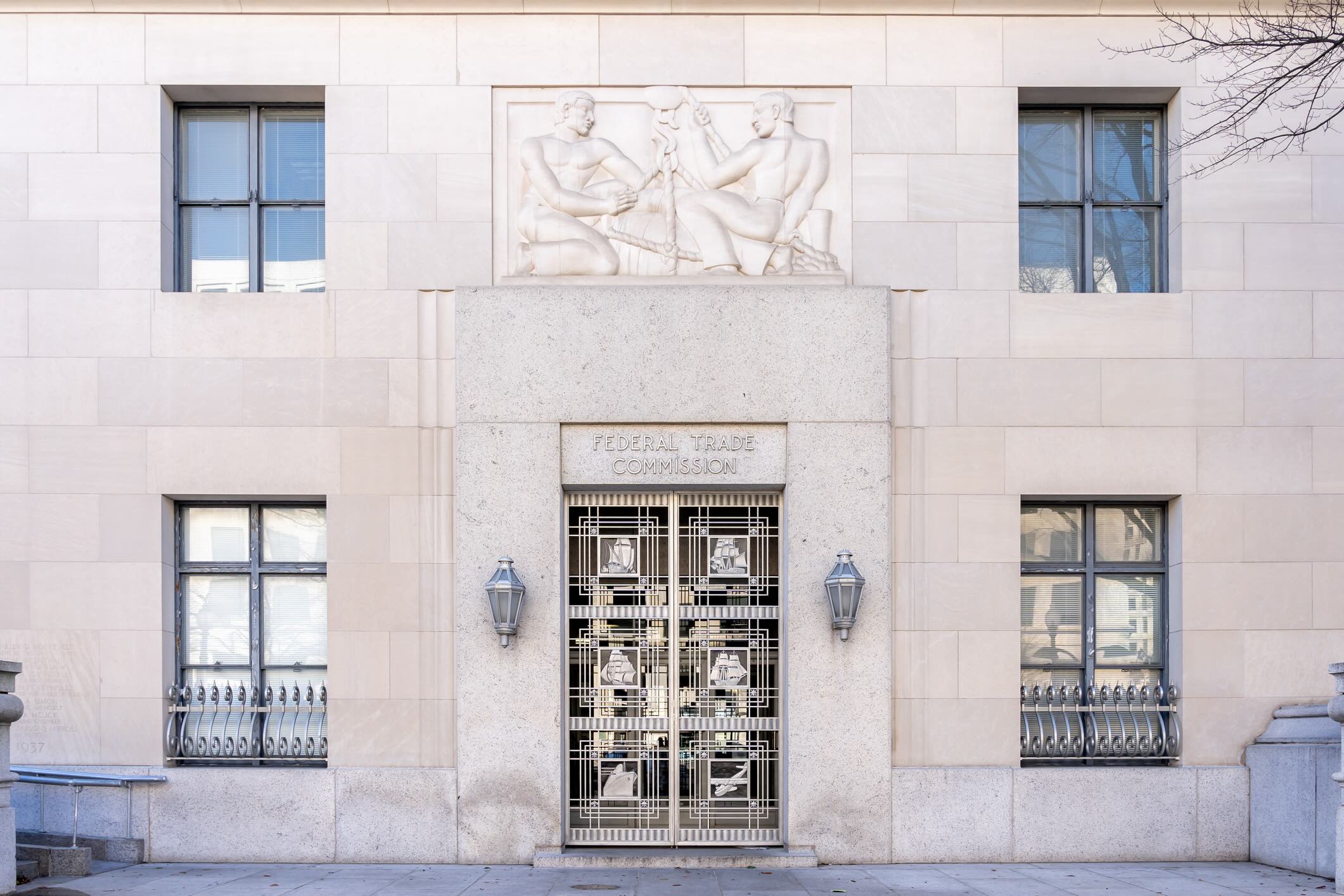
The settlement is the largest monetary recovery the Federal Trade Commission has obtained in an action against a multilevel marketing company. The FTC and Washington filed their complaint and proposed order on Sept. 17 in the U.S. District Court for the Western District of Washington. The case remains pending, and the stipulated order will have the force of law only if it is approved and signed by the federal judge.
The complaint describes a business in which the difficulty was not merely that many participants failed to make money. Regulators allege that Amway and its affiliates created incentives that pushed people to buy products whether or not customers actually wanted them, while presenting recruits with a considerably brighter picture of the money they could expect to earn.
Amway sells nutritional supplements, energy drinks, health and beauty products and other consumer goods through its network of Independent Business Owners, or IBOs. World Wide Group and Leadership Team Development are two of the company's largest "approved provider" groups. They recruit people into Amway and sell training materials and services that regulators say were marketed as essential to succeeding in the business.
Those services could cost participants thousands of dollars a year. According to the complaint, the training encouraged IBOs to purchase a set amount of Amway products each month regardless of whether they could resell them or even wanted the products themselves. They were then encouraged to recruit other people who would repeat the same behavior.
The result, the FTC and Washington allege, was a system in which purchasing could be driven less by genuine demand for Amway products than by the requirements and incentives of participating in the business itself.
Amway presents its opportunity as a business built around selling products. Yet regulators allege that participants were instructed to report customer sales that had never occurred, making the operation appear more dependent on genuine retail sales than it actually was. The complaint says participants were taught methods for creating false sales records, including transactions designed to make products purchased for personal use appear to have been sold to outside customers.
The complaint also alleges that Amway products were priced at levels that made them difficult to sell outside the company's participant network. Washington officials pointed to one particularly plain example. Until recently, according to the complaint, Amway sold a case of 24 16.9-ounce bottles of water for $52.
Then there was the question that matters most to anyone being sold a business opportunity. How much money could they actually make? World Wide Group and Leadership Team Development recruited people with claims that they could earn substantial incomes, including more than $40,000 a year, according to regulators. Prospective participants were also allegedly told they could replace the income from a full-time job or retire early.
The complaint says the experience of most participants looked nothing like that. Most people who joined Amway and either World Wide Group or Leadership Team Development after 2020 spent more on Amway products and training than they received in income from Amway, according to the FTC. The Washington Attorney General's Office said only about 1% earned the roughly $40,000 annual income promoted by the affiliates.
Regulators say recruits were also given misleading expectations about their chances of building a network beneath them. Participants were allegedly told they were likely to recruit multiple people who would help them succeed, although most people who joined Amway and the two affiliates did not recruit multiple participants.
The opportunity itself was sometimes presented as exclusive, with access to mentoring from highly successful business leaders. The complaint alleges that this, too, was misleading. The opportunity was broadly available to prospective participants who followed their recruiter's instructions, regulators say, and the mentors assigned to IBOs were typically not highly successful themselves.
Washington Attorney General Nick Brown described the alleged practices in more human terms.
"Amway and its affiliates profited by taking advantage of regular people's hopes and ambitions," Brown said. He said the settlement would provide relief to Washington residents who joined Amway hoping to provide for themselves and their families, but instead lost time and money and were left with unwanted products.
The proposed order does more than impose a monetary judgment. It would alter some of the mechanics that regulators say allowed the system to function as it did. Participants would be required to resell at least 70% of the products they purchase from Amway each month. Recruiters would receive substantially less compensation when the people they recruit buy products but fail to resell them. Customer sales would have to be reported promptly and at their actual sales price, and Amway would send receipts to customers.
The order also takes direct aim at false sales. Amway would have to terminate participants who fake transactions or teach others to do so, while the company's sales records would undergo regular audits by an independent outside auditor.
Recruitment would come with new restrictions as well. Participants would have to receive training on the rules before they could recruit others, and Amway would have to require approved providers, including World Wide Group and Leadership Team Development, not to charge new participants for training or services during their first year.
Nearly all of the $225 million judgment would be used to compensate IBOs recruited by the two affiliates who lost money. The FTC said details of its consumer redress program will be announced later.
The Commission voted 2-0 to authorize staff to file the complaint and stipulated final order. Washington separately alleges that the companies violated the state's Consumer Protection Act through unfair or deceptive practices that harmed consumers. For now, those remain allegations. The companies have agreed to the proposed order, but the federal court must still approve it.
What the order attempts to change is more revealing than the size of the judgment alone. It requires actual customers, actual sales, actual prices and independent records capable of showing the difference. For a business sold on the promise that ordinary people could make money selling products, regulators are asking that the selling be real.
The GRC Report is your premier destination for the latest in governance, risk, and compliance news. As your reliable source for comprehensive coverage, we ensure you stay informed and ready to navigate the dynamic landscape of GRC. Beyond being a news source, the GRC Report represents a thriving community of professionals who, like you, are dedicated to GRC excellence. Explore our insightful articles and breaking news, and actively participate in the conversation to enhance your GRC journey.
🔒
Continue reading with Access
Get full access to this analysis and everything else on GRC Report—enforcement databases, custom alerts, and market intelligence.
Get Access →
Already a member?
Sign In
Cancel anytime
Full archive access
Custom alerts
Sponsored by
