



 Access Login


Apr 1, 2025
Oct 20, 2025
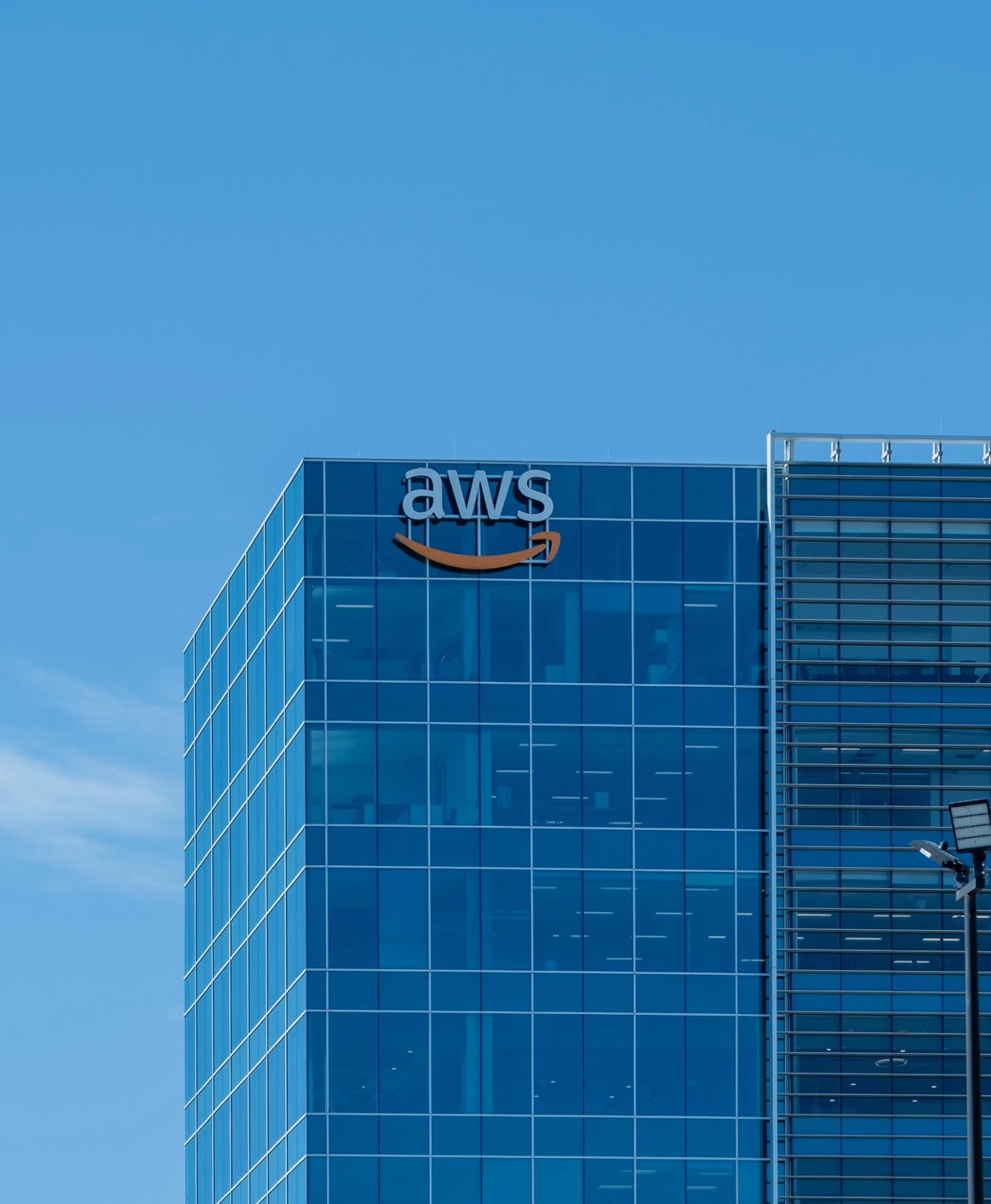
AWS Outage Exposes Fragile Digital Dependencies Across the Internet
.svg)

.svg)
.svg)
.svg)
Key Takeaways
- Concentration Risk in Focus: The AWS US-East-1 outage validates regulator concerns that a single provider failure can have global systemic consequences.
- Operational Resilience Mandates: Under DORA and similar rules, firms must prove continuity plans can withstand third-party cloud failures.
- Shared Responsibility Tested: Even AWS’s own support systems were affected, exposing limits of customer control during infrastructure-level outages.
- Resilience vs. Redundancy: Multi-region and multi-cloud architectures are costly, but they are now essential to meeting regulatory expectations.
- Digital Sovereignty Debate: As Europe pushes for strategic autonomy in tech, the AWS incident adds urgency to the question of who controls critical digital infrastructure.
Deep Dive
When AWS falters, the internet trembles.
That’s what millions experienced early Monday as websites and apps across the world slowed, stalled, or disappeared altogether after Amazon Web Services’ Northern Virginia data center went down. The disruption began just after midnight Pacific time, triggered by what AWS later described as a failure in “an internal subsystem responsible for monitoring the health of our network load balancers.”
The fault cascaded through AWS’s internal network, knocking out key services like DynamoDB, EC2, SQS, and Lambda. By dawn, engineers had throttled new EC2 instance launches to stabilize the system, while queue processing and API connectivity gradually came back online.
But the damage was already done. A platform that underpins everything from airline ticketing systems to financial apps and public services had gone dark, and with it, much of the digital economy.
When the Cloud Becomes a Single Point of Failure
For the average user, it was a morning of glitches and delays. Snapchat streaks vanished. Venmo transfers failed. Prime Video, McDonald’s mobile orders, and government tax portals went offline. Even healthcare platforms and airlines reported minor disruptions.
For risk and IT security teams, however, this was something far more significant. It was a live demonstration of cloud concentration risk, the growing danger of digital ecosystems resting on the reliability of a few hyperscale providers. AWS’s US-East-1 region is one of the most heavily trafficked cloud environments on the planet. When it falters, it doesn’t just take down the apps hosted there, it cripples global systems architected to depend on it indirectly.
That fragility isn’t new. Just today, the Dutch Authority for the Financial Markets (AFM) and De Nederlandsche Bank (DNB) cautioned that “a failure at a single provider could affect large parts of the financial sector simultaneously”, a warning that now feels eerily prescient.
The GRC Reality Check
Monday’s outage wasn’t just a technical blip, it was a stress test of operational resilience under the shared responsibility model. Under frameworks like the EU’s Digital Operational Resilience Act (DORA) and the UK’s Operational Resilience regime, firms are expected to ensure continuity of critical services even when third-party providers fail. Yet, when AWS’s own support system went offline, many customers couldn’t even file a ticket—an unsettling reminder that escalation chains can collapse along with the infrastructure itself.
This incident highlights a gap that GRC teams know too well i.e., responsibility without control. While AWS manages the physical and virtual infrastructure, customers are responsible for the resilience of what they build on top. But when the infrastructure itself is the failure point, even the most robust customer continuity plans struggle to execute.
The result is an uncomfortable truth for boards: resilience can’t just be purchased, it must be architected, tested, and diversified.
This wasn’t a cyberattack, but it behaved like one. A single internal failure rippled through dependent systems worldwide, causing what effectively resembled a global denial-of-service event across multiple industries.
For CISOs and resilience officers, that’s a wake-up call to treat cloud dependency as a form of infrastructure risk, not just an IT consideration. Enterprises should map digital dependencies with the same rigor they apply to supply chains, identifying which critical services (authentication, payments, compliance tools, communication) rely on a single region or vendor.
Incident response and crisis communication plans also need to evolve. Outages of this scale demand immediate situational awareness, clear internal communication lines, and tested fallback channels, even when cloud dashboards and ticketing systems are unavailable.
And while multi-region and multi-cloud strategies are costly, the cost of systemic downtime is higher, particularly in regulated sectors where resilience is now a matter of compliance.
The Governance Challenge
The AWS incident and the AFM/DNB warnings point to the same uncomfortable reality, where the digital economy’s foundations are more fragile, and more centralized, than most organizations admit. What began as a pursuit of agility and scalability has turned into a structural dependency that extends well beyond IT.
The challenge is no longer simply ensuring compliance, it’s ensuring control. That means asking hard questions:
- Who owns the infrastructure that hosts your critical data?
- How much visibility do you have into that provider’s internal resilience?
- Could a single regional failure cascade through your supply chain?
In other words, the next outage isn’t a matter of if, but where.
The GRC Report is your premier destination for the latest in governance, risk, and compliance news. As your reliable source for comprehensive coverage, we ensure you stay informed and ready to navigate the dynamic landscape of GRC. Beyond being a news source, the GRC Report represents a thriving community of professionals who, like you, are dedicated to GRC excellence. Explore our insightful articles and breaking news, and actively participate in the conversation to enhance your GRC journey.
Sponsored by

