



 Access Login


Oct 6, 2025
Jun 2, 2026
Brussels Turns Up Pressure on 20 Countries Over Delays to Anti-Greenwashing Rules
.svg)

.svg)
.svg)
.svg)
Key Takeaways
- 20 Member States Face EU Action: The European Commission launched infringement proceedings against 20 countries for failing to fully transpose the Empowering Consumers for the Green Transition Directive by the March 2026 deadline.
- Greenwashing Rules Enter Enforcement Phase: The directive strengthens oversight of environmental claims, sustainability labels, product durability information, and repairability disclosures as part of the EU's broader effort to combat greenwashing.
- Additional Directives Trigger Scrutiny: Separate infringement actions target delays in implementing updated healthcare professional training standards and stronger worker protections against lead and diisocyanate exposure.
- Two-Month Window to Respond: The affected Member States have two months to complete transposition or face potential escalation to the next stage of the EU infringement process.
Deep Dive
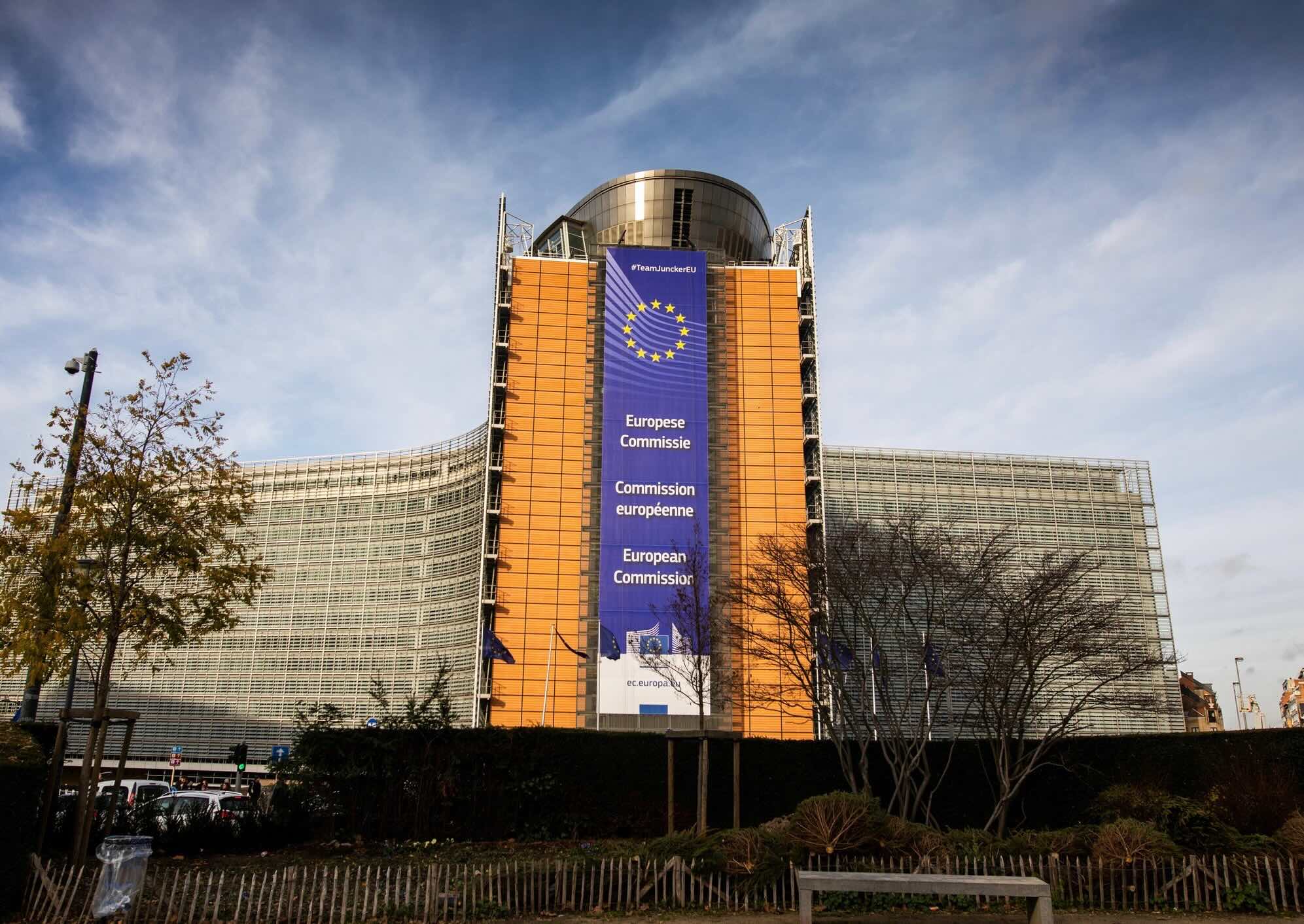
The European Commission has begun infringement proceedings against 20 Member States that failed to fully implement one of the European Union's most closely watched consumer protection laws, moving the bloc's campaign against greenwashing from legislation into enforcement.
In letters of formal notice, the Commission warned countries including France, Spain, the Netherlands, Sweden, Poland, and Belgium that they had not communicated the complete transposition of the Directive on Empowering Consumers for the Green Transition into national law before the March 27 deadline. The countries now have two months to respond before the Commission considers escalating the cases through the next stage of the infringement process.
The directive is not a niche technical measure. It sits at the center of the EU's broader effort to clean up environmental marketing claims and give consumers greater confidence in sustainability information attached to products.
Among other provisions, the law is intended to improve the reliability of sustainability labels, strengthen transparency around environmental claims, discourage practices that contribute to premature product obsolescence, and provide consumers with better information about durability, repairability, and warranty rights.
For several years, European policymakers have devoted considerable attention to the problem of greenwashing. The challenge has never been a shortage of environmental claims. It has been determining which claims mean something and which merely sound persuasive.
That helps explain why the Commission appears unwilling to treat implementation delays as a procedural formality. The infringement action serves as a reminder that Brussels increasingly views transposition deadlines as part of the policy itself. A directive that exists only on paper does little to change market behavior. The Commission's latest move suggests it wants the rules operating in practice, not sitting unfinished in national legislative pipelines.
The consumer directive was not the only measure to trigger Commission action. The Commission also opened infringement procedures against eight Member States that failed to fully transpose updated rules governing the training requirements for nurses, dental practitioners, and pharmacists. Denmark, Germany, Greece, Croatia, Cyprus, Malta, Austria, and Portugal were cited for failing to communicate complete implementation of Directive (EU) 2024/782 by the March 4 deadline.
The updated rules revise minimum training requirements to reflect developments in healthcare and medical science, including areas such as digital technologies, e-health, immunology, regenerative medicine, biotechnology, genetics, and pharmacogenomics.
A separate set of proceedings targeted ten Member States over delays in implementing stronger workplace protections against lead and diisocyanate exposure. Belgium, Denmark, Greece, Spain, Italy, Luxembourg, Hungary, Poland, Portugal, and Slovakia failed to communicate complete transposition of Directive (EU) 2024/869 before the April 9 deadline, according to the Commission.
The directive introduces lower occupational and biological exposure limits for lead and its inorganic compounds while establishing binding occupational exposure limits for diisocyanates for the first time at the EU level. The Commission notes that lead is classified as a dangerous reprotoxic substance for which no scientifically established safe level of exposure exists, while diisocyanates are associated with occupational asthma and other serious health effects.
The GRC Report is your premier destination for the latest in governance, risk, and compliance news. As your reliable source for comprehensive coverage, we ensure you stay informed and ready to navigate the dynamic landscape of GRC. Beyond being a news source, the GRC Report represents a thriving community of professionals who, like you, are dedicated to GRC excellence. Explore our insightful articles and breaking news, and actively participate in the conversation to enhance your GRC journey.
Sponsored by
