


May 28, 2026
Dec 16, 2025
Chinese-Owned Real Estate Firms to Pay $7.3 Million Over PPP Loan Eligibility Claims
.svg)

.svg)
.svg)
.svg)
Key Takeaways
- PPP Eligibility Still Under Scrutiny: Federal enforcement continues to focus on whether borrowers properly certified eligibility, particularly around affiliation and employee headcount rules.
- Foreign Ownership Matters: Second-round PPP loans carried additional restrictions, including limits tied to foreign ownership, which remain a recurring enforcement theme.
- Affiliation Rules Are High Risk: Companies with complex global structures face heightened exposure when applying for programs designed for small businesses.
- Whistleblowers Remain Central: Qui tam actions continue to play a significant role in uncovering alleged misuse of pandemic relief funds.
- No Admission, Real Consequences: Even without admitting liability, companies can face multimillion-dollar settlements tied to certification failures.
Deep Dive
At the height of the pandemic, the Paycheck Protection Program was meant to act as a financial lifeline for small American businesses struggling through shutdowns and economic uncertainty. Federal prosecutors now say three real estate companies tied to a major Chinese conglomerate should never have qualified for that relief.
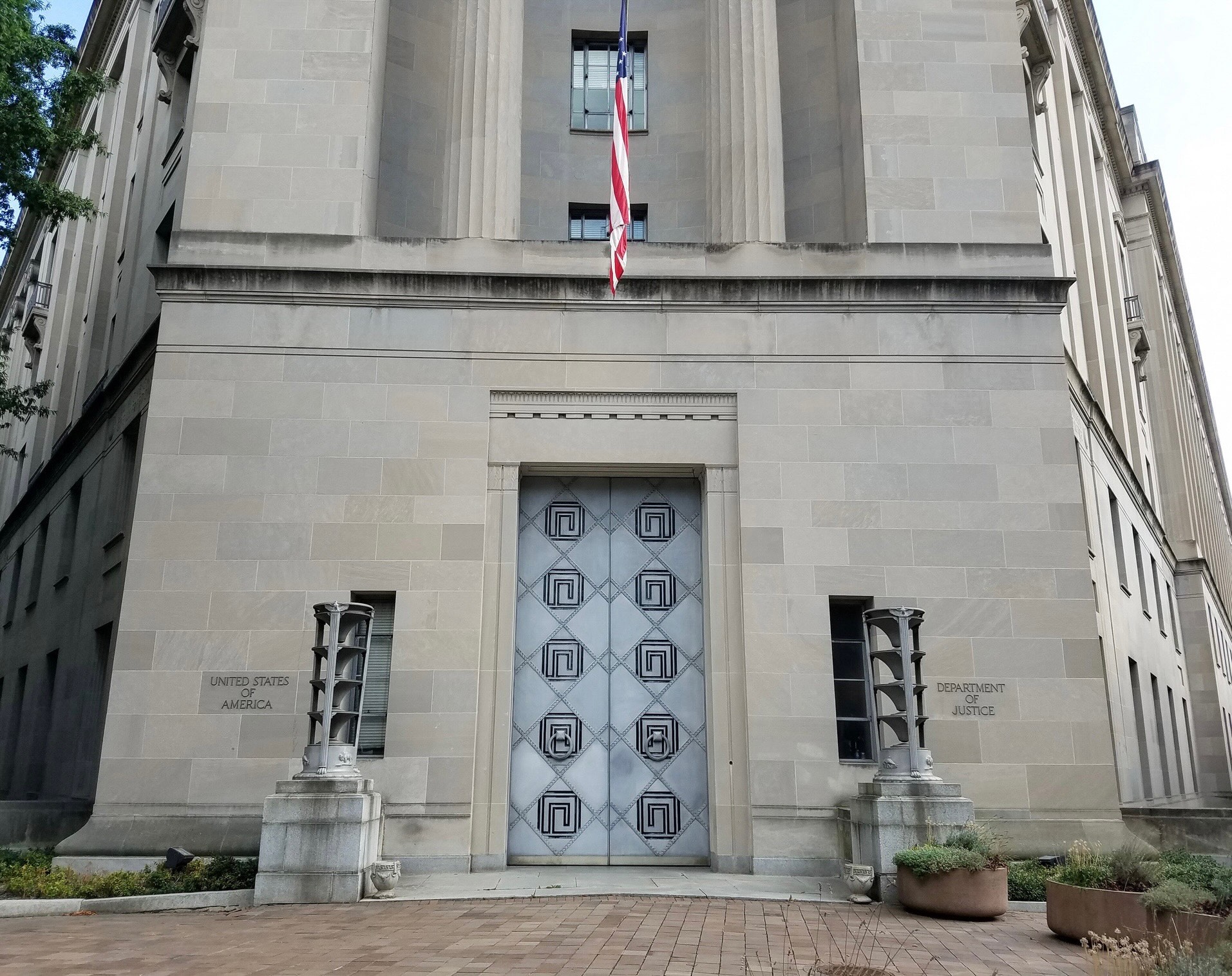
Greenland LA Metropolis Hotel Development, Greenland US Management, and Greenland LA Metropolis Development have agreed to pay more than $7.3 million to resolve allegations that they submitted false claims to obtain Paycheck Protection Program loans for which they were not eligible. The settlement, announced by the U.S. Department of Justice, resolves civil allegations under the False Claims Act.
According to the government, the companies certified their eligibility for both first- and second-round PPP loans despite being part of a much larger multinational corporate group. When their global affiliations are taken into account, prosecutors allege the entities exceeded the employee limits set by the Small Business Administration for participation in the program.
“Congress created the PPP to help American small businesses during the pandemic, not to fund large Chinese-owned corporations,” said Brad D. Schimel, U.S. Attorney for the Eastern District of Wisconsin. He said the settlement reflects the government’s broader obligation to combat fraud and protect taxpayer funds.
Eligibility Dispute Centers on Affiliation and Ownership Rules
The Paycheck Protection Program was created in March 2020 as part of the federal government’s emergency response to COVID-19. The program offered forgivable, SBA-guaranteed loans to qualifying businesses, provided borrowers met eligibility requirements and certified that the information in their applications was accurate.
Those requirements included limits on employee headcount that extended beyond a single legal entity to its affiliated companies. In January 2021, when the SBA opened the door to second-round PPP loans, additional restrictions applied.
Federal prosecutors allege the Greenland USA entities violated those rules. While the companies operate real estate projects in the United States, they are part of a broader corporate structure ultimately owned by Greenland Holding Group Company Limited, a Chinese company with tens of thousands of employees worldwide.
The government further alleges the companies were ineligible for second-round PPP loans because more than 20 percent of their ownership traced back to entities created and organized in the People’s Republic of China, a disqualifying factor under the program’s later rules.
Whistleblowers Share in the Recovery
The settlement also resolves claims brought under the whistleblower provisions of the False Claims Act, which allow private parties to sue on behalf of the United States and receive a portion of any recovery.
Two related whistleblower lawsuits were filed by GNGH2 Inc. and Aidan Forsyth. Under the settlement, GNGH2 Inc. will receive $697,757.80, while Forsyth will receive $33,470.53.
As is typical in civil False Claims Act resolutions, the settlement does not include an admission of liability by the defendants.
The case adds to a growing list of PPP enforcement actions that have focused less on outright fabrication and more on how complex ownership structures, foreign affiliations, and certification failures intersected with emergency relief programs rolled out at speed.
The GRC Report is your premier destination for the latest in governance, risk, and compliance news. As your reliable source for comprehensive coverage, we ensure you stay informed and ready to navigate the dynamic landscape of GRC. Beyond being a news source, the GRC Report represents a thriving community of professionals who, like you, are dedicated to GRC excellence. Explore our insightful articles and breaking news, and actively participate in the conversation to enhance your GRC journey.
🔒
Continue reading with Access
Get full access to this analysis and everything else on GRC Report—enforcement databases, custom alerts, and market intelligence.
Get Access →
Already a member?
Sign In
Cancel anytime
Full archive access
Custom alerts
Sponsored by
