



 Access Login


Dec 16, 2024
Oct 13, 2026
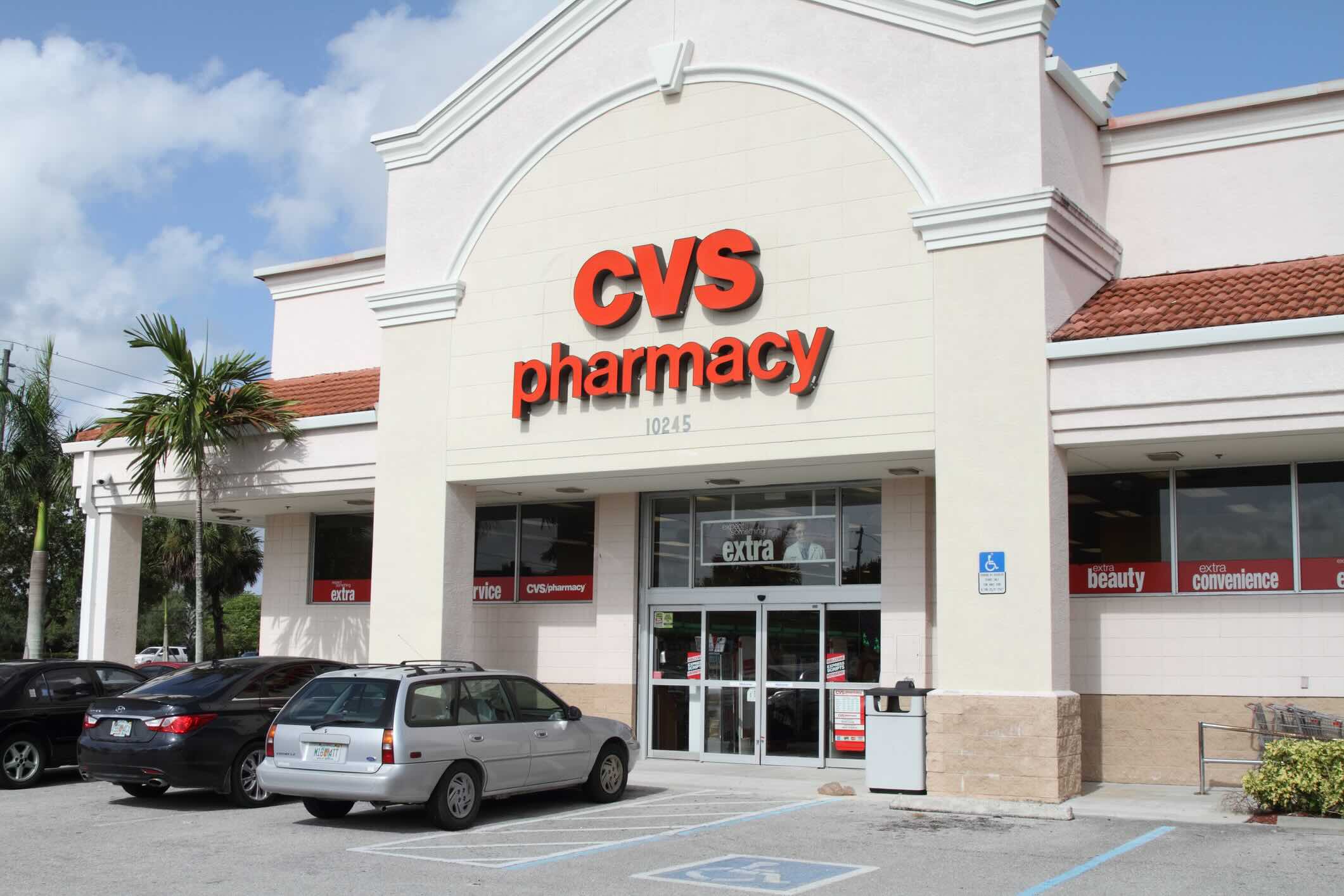
CVS Agrees to Pay $315 Million to Resolve Allegations of Unlawful Opioid Dispensing
.svg)

.svg)
.svg)
.svg)
Key Takeaways
- $315 Million Settlement: CVS Pharmacy Inc. and related corporate entities agreed to pay $315 million to resolve federal allegations of unlawful controlled-substance dispensing and false claims submitted to federal healthcare programs.
- More Than a Decade of Alleged Violations: The Justice Department alleged that CVS filled unlawful prescriptions for opioids and other controlled substances between October 17, 2013, and December 2, 2025.
- Corporate Compliance Failures: Federal prosecutors alleged that inadequate staffing, performance metrics, incentive compensation, and restrictions on information sharing contributed to improper dispensing practices.
- New DEA Oversight Requirements: CVS must establish a reporting hotline, proactively monitor pharmacy dispensing patterns, and implement procedures for evaluating prescribers suspected of unlawful prescribing.
- Whistleblower Lawsuit Resolved: The settlement also resolves a False Claims Act lawsuit brought by former CVS employee Hillary Estright, whose share of the recovery has not yet been determined.
Deep Dive
CVS Pharmacy and related corporate entities have agreed to pay $315 million to resolve federal allegations that the pharmacy chain filled unlawful prescriptions for opioids and other controlled substances for more than a decade, then sought reimbursement for many of those prescriptions from Medicare and other federal healthcare programs.
The Justice Department announced the settlement Tuesday, October 13, covering alleged violations of the Controlled Substances Act and the False Claims Act between October 17, 2013, and December 2, 2025.
The government's case is about prescriptions that CVS pharmacists allegedly filled despite warning signs that the drugs lacked a legitimate medical purpose or had not been prescribed in the usual course of professional practice. Federal prosecutors also accused the company of maintaining staffing, compensation, and performance policies that interfered with pharmacists' ability to meet their legal responsibilities.
According to a complaint filed in December 2024 in the U.S. District Court for the District of Rhode Island, CVS dispensed prescriptions for excessive quantities of opioids, filled prescriptions too early, and supplied combinations of controlled substances associated with abuse.
Among those combinations were prescriptions known as the "trinity," involving an opioid, a benzodiazepine, and a muscle relaxant. Prosecutors also alleged that CVS filled prescriptions from so-called pill mill prescribers who issued large numbers of controlled-substance prescriptions without a legitimate medical purpose.
The government maintained that CVS pharmacists filled these prescriptions despite clear indications that they might be invalid or medically unjustified. Many were subsequently billed to and reimbursed by federal healthcare programs. The complaint also examined how CVS managed its pharmacies. Prosecutors alleged that corporate performance metrics, incentive compensation, and staffing policies placed financial objectives ahead of patient safety.
According to the government, CVS did not employ enough pharmacists to serve patients, satisfy its legal obligations, and meet the performance expectations imposed by the company. Prosecutors further alleged that CVS policies prevented pharmacists from warning colleagues about certain prescribers whose practices had raised concerns.
Those restrictions were particularly relevant to the government's allegations about prescriptions originating from problematic prescribers. Pharmacists are responsible for determining whether controlled-substance prescriptions satisfy federal requirements, including whether they were issued for a legitimate medical purpose in the usual course of professional practice. The complaint alleged that CVS's own policies contributed to circumstances in which suspicious prescriptions continued to be dispensed.
First Assistant U.S. Attorney Charles C. Calenda for the District of Rhode Island said pharmacies must maintain compliance systems capable of identifying and responding to warning signs that prescriptions may be unlawful or medically unnecessary.
The settlement resolves the government's civil allegations. The Justice Department's announcement does not state that CVS admitted liability.
DEA Agreement Requires Additional Safeguards
In addition to the financial settlement, CVS has entered into a memorandum of agreement with the Drug Enforcement Administration establishing additional requirements for its handling of controlled substances. The agreement requires CVS to establish a hotline for employees and members of the public to report suspected illegal dispensing. The company must also proactively monitor dispensing patterns at its pharmacies to identify and address potentially unlawful activity. CVS is further required to establish a process for evaluating prescribers suspected of illegal prescribing.
The requirements address practices identified in the federal complaint, particularly the alleged failure to respond to suspicious prescriptions and the restrictions on sharing information about problematic prescribers.
Assistant Attorney General Brett A. Shumate of the Justice Department's Civil Division said the agreement would require CVS to implement additional safeguards to ensure that opioids and other controlled substances are dispensed only when medically appropriate.
The monitoring requirements will place continuing obligations on CVS to examine dispensing activity and respond to indications of unlawful prescribing. The settlement also resolves a civil lawsuit filed by former CVS employee Hillary Estright under the whistleblower provisions of the False Claims Act.
Those provisions allow private individuals to bring lawsuits on behalf of the United States alleging fraud against federal programs. The government may intervene and assume responsibility for pursuing such cases, as it did here. The amount Estright will receive from the settlement has not yet been determined, according to the Justice Department.
The GRC Report is your premier destination for the latest in governance, risk, and compliance news. As your reliable source for comprehensive coverage, we ensure you stay informed and ready to navigate the dynamic landscape of GRC. Beyond being a news source, the GRC Report represents a thriving community of professionals who, like you, are dedicated to GRC excellence. Explore our insightful articles and breaking news, and actively participate in the conversation to enhance your GRC journey
Sponsored by
