



 Access Login


Sep 24, 2024
Jun 9, 2026
CVS to Pay $36.5 Million Over Medicaid Insulin Billing Scheme
.svg)

.svg)
.svg)
.svg)
Key Takeaways
- $36.5 Million Settlement: CVS agreed to pay $36.5 million to resolve allegations that it improperly billed Medicaid for insulin prescriptions between 2010 and 2020.
- Insulin Dispensing Practices Scrutinized: Investigators alleged CVS dispensed more insulin than prescriptions required and refilled insulin pen prescriptions before patients were eligible for additional supplies.
- False Reporting Allegations: The settlement alleges CVS underreported how long insulin supplies would last and failed to follow certain refill-date calculation requirements.
- National Enforcement Effort: The case was pursued by a bipartisan coalition of attorneys general, the U.S. Department of Justice, and Medicaid fraud investigators from multiple states.
- Patient Safety Concerns Raised: Investigators said the alleged practices resulted in some Medicaid recipients accumulating excess insulin, creating waste and potential risks associated with expired medication.
Deep Dive
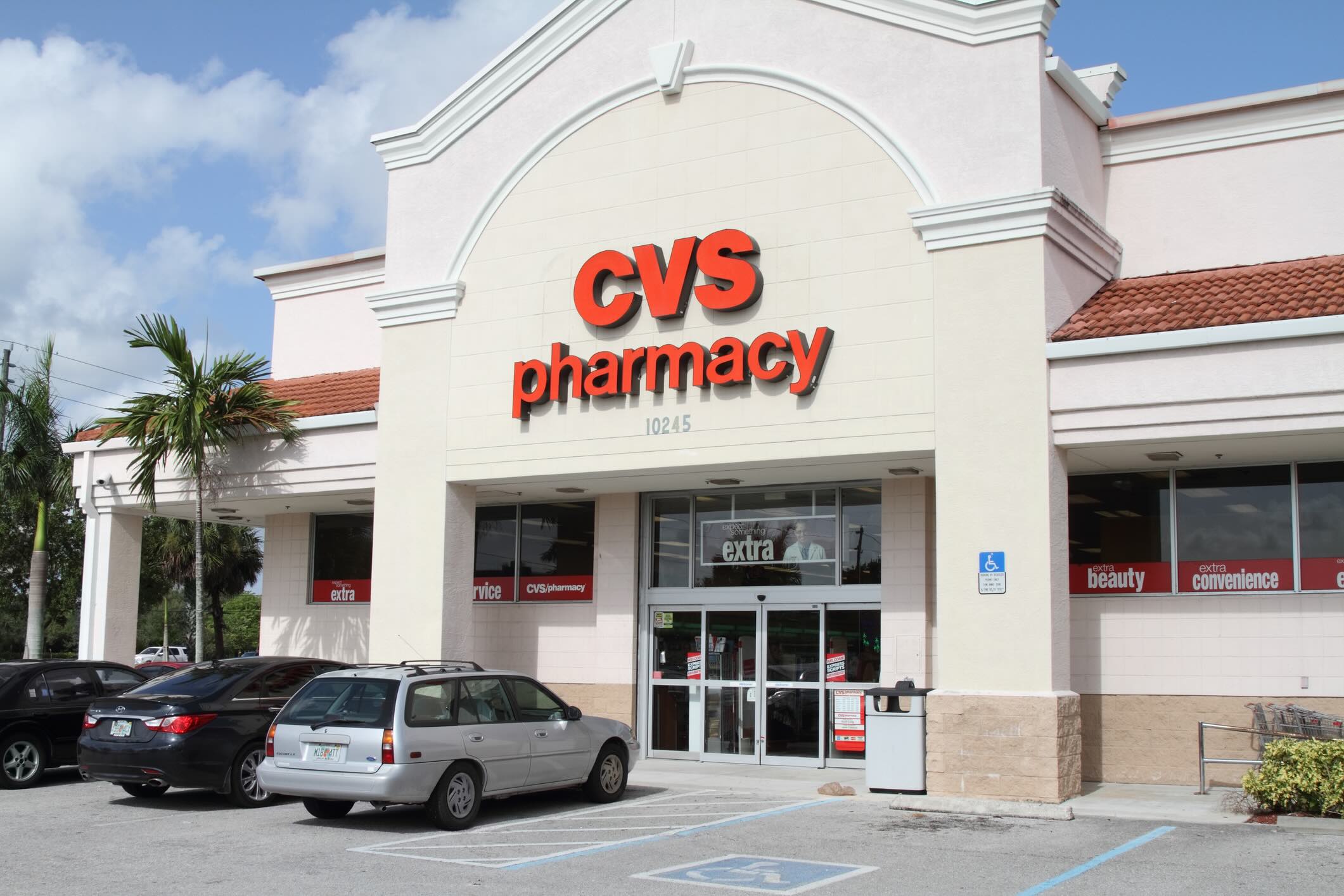
A decade-long practice involving insulin prescriptions has led CVS Pharmacy to agree to pay $36.5 million to resolve allegations that it improperly billed Medicaid programs across the United States for more insulin than patients were prescribed.
The settlement, announced Tuesday, concludes an investigation conducted by a bipartisan coalition of 37 attorneys general and the U.S. Department of Justice into CVS’s handling of insulin pen prescriptions between 2010 and 2020. According to investigators, the pharmacy chain dispensed quantities of insulin that exceeded prescription requirements while seeking Medicaid reimbursement as though the prescriptions had been filled appropriately.
The case focuses on insulin pens, a common delivery mechanism used by diabetic patients. Unlike traditional vials, insulin pens come in fixed quantities, creating potential discrepancies between the amount prescribed and the amount dispensed. Investigators alleged that CVS repeatedly exploited those discrepancies by providing more insulin than prescriptions called for, then refilling prescriptions earlier than permitted.
According to the settlement, CVS falsely reported how long supplies of insulin would last and failed to follow certain refill-calculation rules used to determine when patients were eligible for additional medication. Those practices allegedly enabled the company to obtain millions of dollars in Medicaid reimbursements for insulin that should not have been dispensed under program requirements.
The consequences extended beyond financial overbilling. Investigators said some Medicaid recipients accumulated substantial quantities of unused insulin as a result of the dispensing practices. Because insulin has a limited shelf life and can expire, the excess medication created both waste and potential safety concerns.
New York Attorney General Letitia James said the case illustrates the costs that Medicaid fraud can impose on taxpayers and public health programs.
“When big companies defraud Medicaid, hardworking New Yorkers pay the price,” James said in a statement announcing the settlement. She added that Medicaid funds should be used to support patient care rather than increase corporate profits.
Under the agreement, CVS will pay $36.5 million to resolve the allegations. More than $25.1 million will be distributed to participating state Medicaid programs, including approximately $2.26 million allocated to New York. The settlement resolves the claims without detailing any admission of wrongdoing by the company.
The GRC Report is your premier destination for the latest in governance, risk, and compliance news. As your reliable source for comprehensive coverage, we ensure you stay informed and ready to navigate the dynamic landscape of GRC. Beyond being a news source, the GRC Report represents a thriving community of professionals who, like you, are dedicated to GRC excellence. Explore our insightful articles and breaking news, and actively participate in the conversation to enhance your GRC journey.
Sponsored by

