


Jun 4, 2026
Dec 17, 2025
Dana-Farber to Pay $15 Million to Settle Federal Grant Fraud Allegations Tied to Research Integrity
.svg)

.svg)
.svg)
.svg)
Key Takeaways
- False Claims Act Settlement: Dana-Farber agreed to a $15 million civil settlement over allegations that it made false statements and certifications related to NIH research grants between 2014 and 2024.
- Research Data Issues: The case centers on misrepresented and duplicated images and data across 14 scientific publications linked to six NIH-funded grants.
- Oversight and Spending Failures: Federal authorities cited insufficient supervisory oversight and the use of grant funds for expenses deemed unallowable under NIH rules.
- Grant Applications Under Scrutiny: Another researcher received four NIH grants after referencing a journal article without disclosing image and data irregularities later identified by investigators.
- Whistleblower Role: The settlement resolves a qui tam lawsuit filed by Sholto David, who will receive $2.625 million as part of the recovery.
Deep Dive
For more than a decade, Dana-Farber Cancer Institute has been one of the country’s most prominent recipients of federal research funding. This week, that relationship came under sharp scrutiny.
The Boston-based cancer treatment and research center has agreed to pay $15 million to settle federal allegations that it submitted false statements and certifications tied to National Institutes of Health research grants over a ten-year period, from 2014 through 2024. The settlement resolves claims brought under the False Claims Act and closes a case that federal officials say strikes at the heart of trust in publicly funded scientific research.
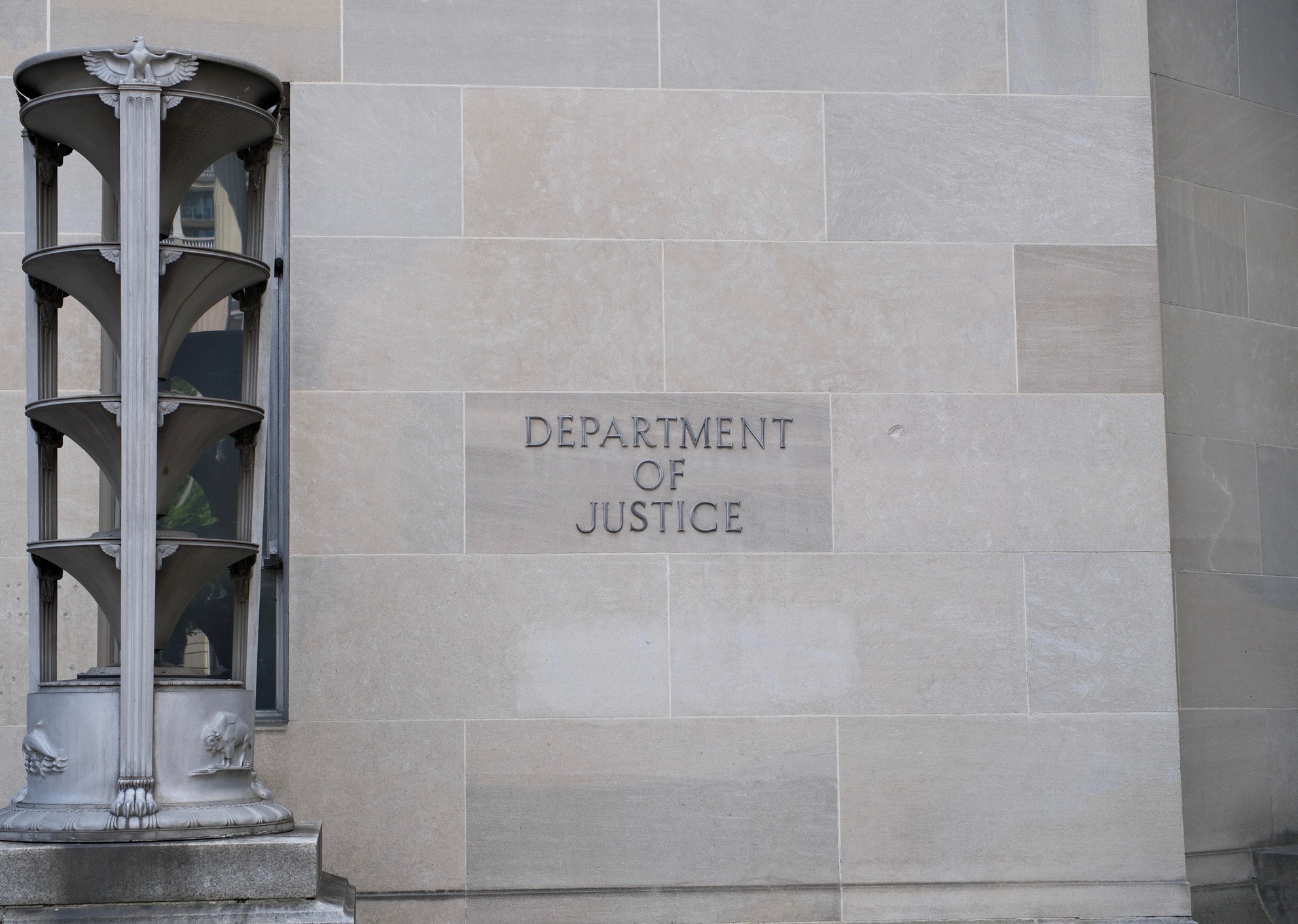
According to the U.S. Department of Justice, the allegations center on how certain NIH grant funds were used and how research results were presented in published scientific literature. As part of the settlement, Dana-Farber admitted that researchers used money from six NIH grants to support work that led to 14 journal articles containing misrepresented or duplicated images and data. In some cases, the same images were reused to depict different experimental conditions or timepoints. In others, images were altered through rotation, magnification, or stretching to suggest distinct results.
Federal authorities also pointed to oversight failures. Dana-Farber acknowledged that a supervising researcher did not exercise sufficient supervision over the researchers involved and that grant funds tied to those projects were spent on expenses that NIH rules do not allow.
The settlement further addresses a separate issue involving another Dana-Farber researcher who received four NIH grants after submitting applications that referenced a journal article without disclosing that certain images and data in that publication had been misrepresented or duplicated. Prosecutors contend that this omission contributed to the submission of false claims by certifying compliance with grant requirements while relying on flawed research representations.
Justice Department officials framed the case as a warning to federally funded institutions, regardless of reputation. Assistant Attorney General Brett A. Shumate said the resolution reflects the government’s willingness to pursue grantees that undermine the integrity of funding decisions by failing to follow grant terms or by misusing research funds. U.S. Attorney Leah B. Foley for the District of Massachusetts emphasized that the stakes are especially high in cancer research, where patients and clinicians depend on accurate data and reliable findings.
Health and Human Services Office of Inspector General Deputy Inspector General for Investigations Christian J. Schrank described the alleged conduct as a breach of public trust, noting that falsified data and improper spending not only carry legal consequences but also threaten the credibility of the scientific process itself.
Dana-Farber received cooperation credit under Justice Department guidelines for False Claims Act cases. Prosecutors cited the institute’s voluntary disclosures of additional research misconduct, its production of materials without subpoenas, efforts to streamline the government’s review of large volumes of records, acceptance of responsibility, and implementation of remedial measures as factors reflected in the settlement amount.
The agreement also resolves claims brought by whistleblower Sholto David under the qui tam provisions of the False Claims Act. David, who filed the case on behalf of the United States, will receive $2.625 million from the settlement.
The settlement is civil in nature and includes no criminal charges. Still, it underscores how closely federal agencies are examining research integrity and grant compliance, even at the nation’s most respected medical institutions, as pressure grows to ensure taxpayer-funded science meets the highest standards of accuracy and accountability.
The GRC Report is your premier destination for the latest in governance, risk, and compliance news. As your reliable source for comprehensive coverage, we ensure you stay informed and ready to navigate the dynamic landscape of GRC. Beyond being a news source, the GRC Report represents a thriving community of professionals who, like you, are dedicated to GRC excellence. Explore our insightful articles and breaking news, and actively participate in the conversation to enhance your GRC journey.
🔒
Continue reading with Access
Get full access to this analysis and everything else on GRC Report—enforcement databases, custom alerts, and market intelligence.
Get Access →
Already a member?
Sign In
Cancel anytime
Full archive access
Custom alerts
Sponsored by
