



 Access Login

Jun 20, 2024
Oct 6, 2026
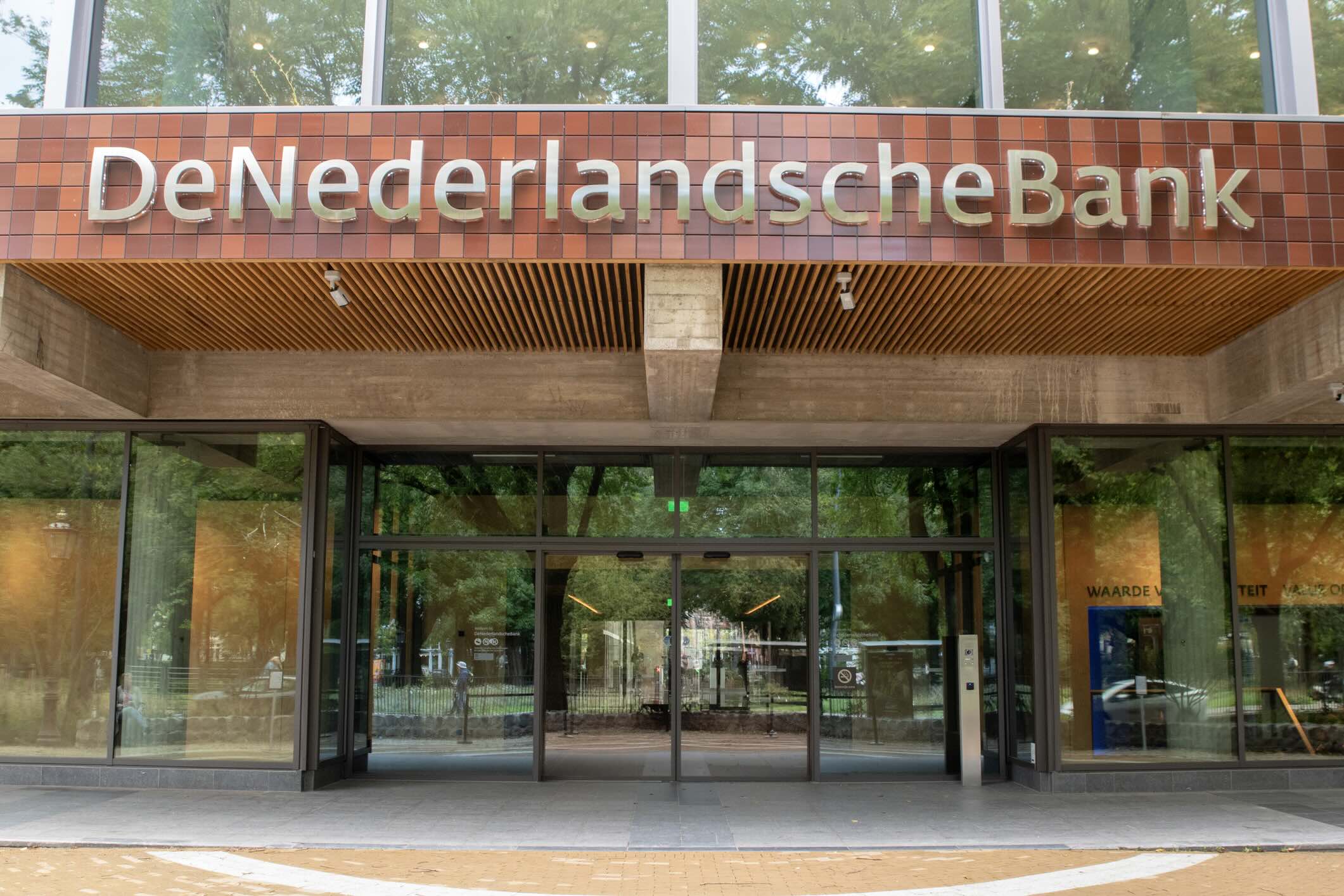
DNB Fines Modulr Finance Over Serious Anti-Money Laundering Failures
.svg)

.svg)
.svg)
.svg)
Key Takeaways
- €722,160 Fine: De Nederlandsche Bank fined Modulr Finance over serious shortcomings in its anti-money laundering controls between January 2023 and July 2024.
- Monitoring Fell Short: DNB found inadequate monitoring of customers and transactions, including limited or no investigation despite indicators of elevated risk.
- Risk Signals Were Missed: Weaknesses in transaction monitoring meant activity involving high-risk countries, non-resident customers and unusual transaction patterns was not always adequately detected.
- Reliance on Partners: Modulr relied heavily on intermediary partners, including crypto-asset service providers, leaving it with insufficient insight into its own customer base.
- Settlement Reduced Fine: DNB initially set the penalty at €849,600 before reducing it by 15% after Modulr accepted the findings and agreed not to challenge the fine.
Deep Dive
Very large sums were arriving without enough being known about where the money had come from. Some transactions carried clear signs of elevated risk. Modulr Finance sometimes investigated them only minimally, and sometimes not at all. Those findings form part of the case that led De Nederlandsche Bank to fine the electronic money institution €722,160 for serious shortcomings in its anti-money laundering controls.
The Dutch central bank imposed the fine on Sept. 30 and disclosed it Oct. 5. The violations ran from Jan. 1, 2023, through July 16, 2024, during which DNB found that Modulr failed to adequately monitor its customers and their transactions as required under the Netherlands' Anti-Money Laundering and Anti-Terrorist Financing Act, or Wwft. DNB illustrated the shortcomings through a review of 10 customer files.
Modulr had relied heavily on intermediary partners, including crypto-asset service providers, to perform ongoing monitoring. DNB said that left the company with insufficient insight into its own customer base and inadequate monitoring of both customers and transactions. The regulator found that very large amounts were received without sufficient clarity about the origin of the funds. Even when transactions showed clear indicators of elevated risk, Modulr itself carried out either very limited investigations or none at all.
DNB also found weaknesses in the company's transaction monitoring system. Transactions involving high-risk countries, transactions by non-resident customers and certain unusual transaction patterns were either inadequately monitored or not monitored.
The way thresholds were applied created another gap. Large amounts made up of multiple transactions could go undetected because the individual transactions did not exceed the applicable thresholds. Signals indicating possible money laundering and fraud consequently went unidentified or unreported in some cases, while others were identified and reported too late.
DNB said the findings showed serious deficiencies in Modulr's management of money laundering risks and its execution of customer due diligence measures. Given their nature, seriousness and scope, the regulator considered an administrative fine necessary and appropriate.
Under the Wwft, electronic money institutions serve as gatekeepers to the financial system. They are required to continuously monitor transactions, detect unusual transactions and report them to the Netherlands' Financial Intelligence Unit without delay. That responsibility continues after a customer has been accepted, covering transactions carried out by or on behalf of the customer.
Modulr had already begun addressing some of the problems before DNB's investigation. The company took steps to terminate or restrict its relationships with three of the four partners concerned and later told DNB that it would tighten its commercial strategy and adjust its risk appetite.
Since then, according to DNB, Modulr has improved its transaction monitoring framework, strengthened its customer risk assessment and screening processes and increased oversight of partners and customers. The regulator treated the company's cooperation and remedial work as mitigating factors when determining the penalty.
DNB initially set the fine at €849,600 under its General Fine Policy. Modulr and DNB ultimately resolved the proceeding through a simplified settlement under the policy used by DNB and the Netherlands Authority for the Financial Markets. Modulr acknowledged the facts underlying the violation, accepted the fine and agreed not to lodge an objection.
DNB in return reduced the €849,600 fine by 15%, bringing the final penalty to €722,160, and issued an abbreviated fining decision.
The GRC Report is your premier destination for the latest in governance, risk, and compliance news. As your reliable source for comprehensive coverage, we ensure you stay informed and ready to navigate the dynamic landscape of GRC. Beyond being a news source, the GRC Report represents a thriving community of professionals who, like you, are dedicated to GRC excellence. Explore our insightful articles and breaking news, and actively participate in the conversation to enhance your GRC journey.
🔒
Continue reading with Access
Get full access to this analysis and everything else on GRC Report—enforcement databases, custom alerts, and market intelligence.
Get Access →
Already a member?
Sign In
Cancel anytime
Full archive access
Custom alerts
Sponsored by
