


Aug 29, 2025
May 12, 2026
DOJ Moves to Standardize Corporate Criminal Enforcement Across the Department
.svg)

.svg)
.svg)
.svg)
Key Takeaways
- Unified Enforcement Framework: The DOJ introduced its first Department-wide corporate enforcement policy for criminal matters, excluding antitrust cases.
- Incentives for Self-Disclosure: Companies that voluntarily disclose misconduct, cooperate with investigations, and remediate issues may receive declinations absent limited aggravating circumstances.
- Superseding Existing Policies: The new framework replaces component-specific and U.S. Attorney’s Office-specific corporate enforcement policies currently in effect.
- Focus on Individual Accountability: DOJ officials said the policy is designed to help prosecutors pursue culpable individuals more quickly and effectively.
- Greater Predictability for Businesses: The Department said the policy aims to create more consistency, transparency, and fairness in white-collar enforcement.
Deep Dive
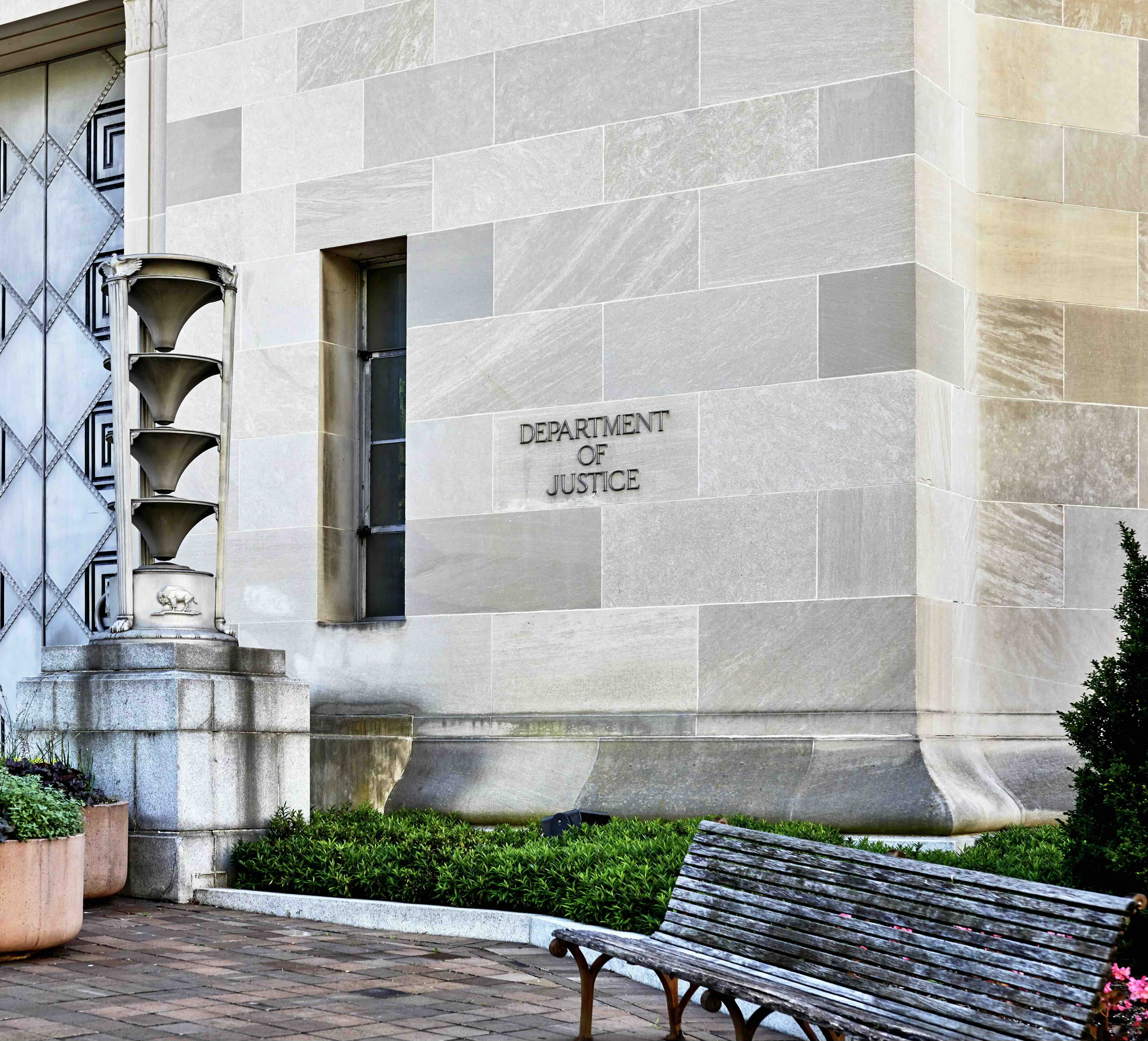
The U.S. Department of Justice is attempting to bring a more unified approach to white-collar enforcement with the rollout of what it says is the first Department-wide corporate enforcement policy for criminal cases, a move officials say is designed to provide businesses with greater clarity about how prosecutors will evaluate corporate misconduct.
Announced Tuesday, the new Corporate Enforcement Policy establishes a single framework for how the Department handles corporate criminal matters across its components and U.S. Attorney’s Offices, with the exception of antitrust-related cases. In practical terms, the policy replaces the assortment of office-specific and division-specific enforcement approaches that had developed over time across the Department.
Justice Department officials framed the policy as an effort to create more consistency, predictability, and fairness in corporate enforcement while continuing to pursue individuals responsible for white-collar offenses.
“This Department of Justice is committed to transparency and fairness, and our first-ever Department-wide corporate enforcement policy is yet another example of that,” Deputy Attorney General Todd Blanche said in a statement.
Blanche said the policy is intended to encourage companies to come forward when misconduct is discovered internally, emphasizing that organizations that voluntarily self-disclose wrongdoing, cooperate with investigators, and remediate problems will receive tangible benefits under the framework.
At the center of the policy is a familiar message from federal prosecutors, but one now being applied uniformly across the Department: companies that proactively report misconduct and demonstrate meaningful cooperation may avoid prosecution altogether absent certain aggravating circumstances.
According to the DOJ, the framework is meant to create incentives for businesses to act quickly when issues emerge, while also helping prosecutors focus resources on culpable individuals and more serious corporate misconduct.
The Department said incentivizing self-disclosure can accelerate investigations, improve outcomes for victims, and strengthen deterrence efforts without placing unnecessary burdens on companies that engage constructively with investigators.
Assistant Attorney General A. Tysen Duva described the new policy as an extension of principles the Criminal Division has spent years refining through its own corporate enforcement efforts.
“The Criminal Division has a long and storied history of corporate enforcement, and the corporate enforcement policy announced today takes the principles the Division has long promoted—disclosure, cooperation, and remediation—and applies them uniformly across the Department,” Duva said.
He noted that the Criminal Division’s enforcement framework traces back to 2016 and has evolved through years of prosecuting complex white-collar schemes, including revisions announced in May 2025. Those lessons, he said, helped shape the broader Department-wide policy unveiled this week.
The DOJ emphasized that the policy does not eliminate the possibility of prosecution for companies that self-report misconduct. Prosecutors will still retain discretion in cases involving significant aggravating circumstances or particularly serious offenses. But the Department appears intent on signaling that companies engaging in good-faith compliance, cooperation, and remediation efforts will encounter a more transparent and standardized enforcement process.
For corporate legal departments, compliance teams, and boards of directors, the policy could mark a notable shift in how companies assess disclosure decisions and interactions with federal prosecutors. By consolidating enforcement expectations under a single framework, the DOJ is effectively establishing a more centralized playbook for corporate criminal enforcement across much of the federal system.
The announcement also reflects the Department’s continued focus on individual accountability in white-collar cases, an area DOJ leadership has repeatedly emphasized in recent years. Officials said the policy is structured to help prosecutors move more efficiently against individuals responsible for misconduct while rewarding companies that assist investigations and address compliance failures promptly.
The GRC Report is your premier destination for the latest in governance, risk, and compliance news. As your reliable source for comprehensive coverage, we ensure you stay informed and ready to navigate the dynamic landscape of GRC. Beyond being a news source, the GRC Report represents a thriving community of professionals who, like you, are dedicated to GRC excellence. Explore our insightful articles and breaking news, and actively participate in the conversation to enhance your GRC journey.
🔒
Continue reading with Access
Get full access to this analysis and everything else on GRC Report—enforcement databases, custom alerts, and market intelligence.
Get Access →
Already a member?
Sign In
Cancel anytime
Full archive access
Custom alerts
Sponsored by
