


Apr 7, 2026
Sep 21, 2026
DOJ Revises False Claims Act Enforcement Policies
.svg)

.svg)
.svg)
.svg)
Key Takeaways
- DOJ Revises False Claims Act Enforcement: The Justice Department has updated the Justice Manual to clarify how attorneys should approach False Claims Act cases and other department litigation.
- Agency Guidance Has Clearer Limits: Sub-regulatory guidance cannot itself impose legal obligations beyond those established by statute or regulation.
- Qui Tam Cases Face Greater Dismissal Scrutiny: When DOJ declines to intervene in a whistleblower action, attorneys should also consider whether seeking dismissal would serve the interests of the United States.
- Dismissal Decisions Can Be Revisited: DOJ may reconsider dismissal as litigation progresses, with particular attention to cases that lack legal or factual merit.
- FCA Enforcement Remains a Priority: DOJ said the revisions are intended to focus enforcement on violations of binding legal or contractual obligations while preserving government resources.
Deep Dive
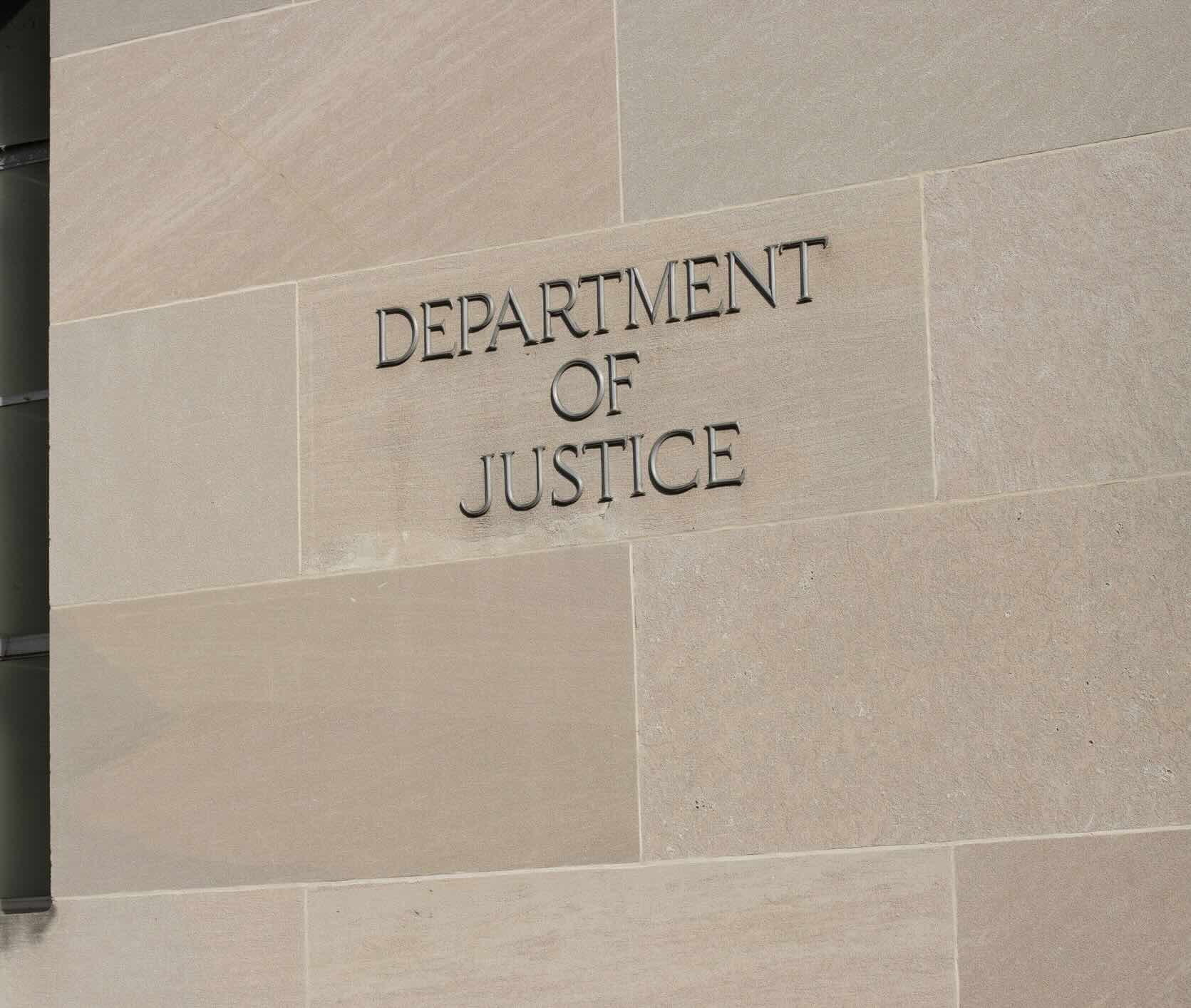
The Justice Department has revised its enforcement policies under the False Claims Act, restoring restrictions on the use of agency guidance in litigation and instructing government attorneys to consider whether whistleblower lawsuits should be dismissed when DOJ declines to join them.
The changes alter two sections of the Justice Manual that govern how department attorneys approach civil fraud cases. One concerns the obligations that can form the basis of an enforcement action. The other deals with qui tam lawsuits, which allow private parties to sue on behalf of the United States over alleged fraud against the government.
On guidance, DOJ has reinstated and expanded a policy first adopted in 2017. Sub-regulatory guidance cannot impose legal obligations beyond those established by statute or regulation, meaning the department should not use a guidance document that lacks the force of law as though it independently created a binding requirement. DOJ said enforcement should instead focus on violations of binding legal obligations.
“The Department of Justice should enforce the law, not make law through enforcement,” Associate Attorney General Stanley E. Woodward Jr. said. He described the revisions as part of the department’s commitment to fair notice, transparent enforcement and the rule of law.
The second change reaches the unusual structure of False Claims Act litigation, where a private whistleblower, known as a relator, can bring an action on behalf of the United States. DOJ investigates such cases and can choose whether to intervene. If it declines, the relator may ordinarily continue pursuing the case without the government taking over the litigation.
The revised manual now tells DOJ attorneys that when they recommend declining intervention, they must also assess whether the government’s interests would be better served by seeking dismissal under the False Claims Act. If the department initially decides against dismissal, attorneys may reconsider as the case progresses.
That does not mean every case DOJ declines to join is headed for a dismissal motion. The manual makes the distinction explicit. The government often investigates only far enough to determine that intervention is unwarranted, which is not the same thing as concluding that the underlying case has no merit. DOJ said dismissal authority should be used judiciously.
Still, the revised policy gives attorneys a clear set of reasons to consider using it. The manual identifies meritless claims, opportunistic lawsuits that duplicate existing government investigations without adding useful information, interference with agency programs, threats to classified information or national security, excessive demands on government resources and serious procedural errors among the factors that may justify dismissal. It also points to the government’s interest in retaining control over litigation brought in its name and avoiding adverse legal precedent. The list is expressly non-exhaustive.
If attorneys believe dismissal may be warranted, they are instructed to consult closely with the federal agency affected by the case and obtain its recommendation before filing a request. The manual also says attorneys should consider alerting relators to deficiencies in their cases, giving them an opportunity to dismiss the action themselves before DOJ seeks dismissal.
Assistant Attorney General Brett A. Shumate said reviewing declined cases for possible dismissal would help keep enforcement focused on matters that advance U.S. interests while making more efficient use of government resources. Associate Deputy Attorney General Paul Perkins described the False Claims Act as one of the government’s most powerful fraud-fighting tools, while saying enforcement should target violations of binding legal or contractual obligations and meritless qui tam cases should not be allowed to consume taxpayer resources.
The revisions leave the government’s broader commitment to False Claims Act enforcement intact. The Justice Manual continues to direct attorneys to vigorously enforce civil remedies against fraud and describes such enforcement as important both for recovering government losses and deterring similar conduct.
What has changed is the instruction given to the lawyers making those decisions. Agency guidance that does not carry the force of law cannot itself supply the legal obligation behind an enforcement action. And when DOJ decides that a whistleblower case is not one it wants to join, the inquiry no longer necessarily ends with declination. Attorneys are now expressly directed to ask whether the United States has an interest in bringing the case to an end.
The GRC Report is your premier destination for the latest in governance, risk, and compliance news. As your reliable source for comprehensive coverage, we ensure you stay informed and ready to navigate the dynamic landscape of GRC. Beyond being a news source, the GRC Report represents a thriving community of professionals who, like you, are dedicated to GRC excellence. Explore our insightful articles and breaking news, and actively participate in the conversation to enhance your GRC journey.
🔒
Continue reading with Access
Get full access to this analysis and everything else on GRC Report—enforcement databases, custom alerts, and market intelligence.
Get Access →
Already a member?
Sign In
Cancel anytime
Full archive access
Custom alerts
Sponsored by
