



 Access Login

Oct 14, 2024
Aug 19, 2026
Doxo to Pay $2.1 Million to Settle FTC Case Over Search Ads, Fees & Subscriptions
.svg)

.svg)
.svg)
.svg)
Key Takeaways
- $2.1 Million Settlement: Doxo will pay $2.1 million to settle FTC allegations that it misled consumers about its relationships with billers and charged inadequately disclosed fees.
- Misleading Search Ads: The FTC alleged Doxo used search advertising and biller branding in ways that led consumers to believe they were using an official payment channel.
- Fees and Subscriptions: Doxo was accused of failing to clearly disclose certain delivery fees and deceptively enrolling consumers in a recurring subscription program.
- Federal Court Finding: A federal court found Doxo violated the Restore Online Shoppers’ Confidence Act by failing to clearly disclose subscription terms and obtain consent for subscription charges.
Deep Dive
A consumer looking to pay a utility bill or car loan might reasonably assume that typing the biller's name into a search engine and clicking on a result would take them where they needed to go. The Federal Trade Commission says Doxo found a profitable place inside that assumption.
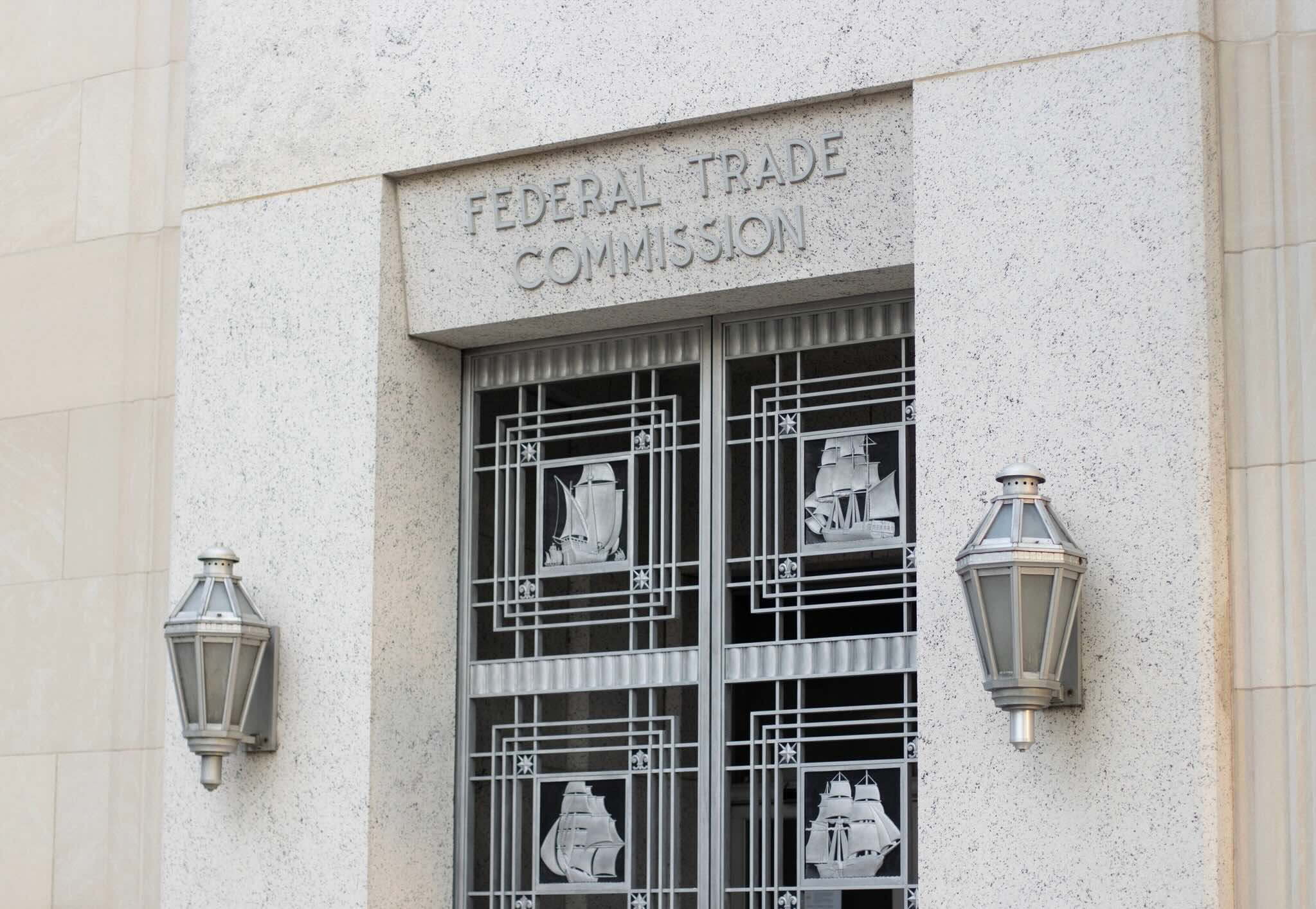
The online bill-payment company has agreed to pay $2.1 million to settle allegations that it used misleading search advertisements to make its service appear affiliated with consumers' billers, charged fees that were not clearly disclosed and deceptively enrolled consumers in a recurring subscription program. The money will be used for consumer redress.
The proposed settlement, announced Aug. 17, also places restrictions on Doxo and two of its co-founders, Steve Shivers and Roger Parks, covering how they advertise bill-payment services, represent fees and obtain consumers' consent for charges.
The FTC sued Doxo, Shivers and Parks in 2024. Its complaint described a business built in part around intercepting consumers at a particularly vulnerable point in an otherwise mundane transaction: when they already know whom they need to pay but are searching for where to pay them.
According to the agency, Doxo used search ads and other advertising that could lead consumers to believe its third-party platform was the official payment channel for utilities, auto lenders and other billers. After consumers clicked through, Doxo's landing pages often displayed the names of those companies and sometimes their logos.
Yet Doxo had no relationship with the overwhelming majority of the companies it claimed were part of its payment network, the FTC alleged. The agency accused Doxo of adding "delivery fees" to bills it paid on consumers' behalf without clearly disclosing those charges. It also alleged that Doxo failed to make clear that delivery fees were waived only for certain payment methods.
The FTC separately accused the company of deceptively enrolling consumers in a recurring subscription program. Among the agency's allegations was that Doxo failed to clearly and conspicuously disclose the subscription's price.
A federal court has already sided with the FTC on part of the case. At the agency's request, the court found that Doxo violated the Restore Online Shoppers' Confidence Act by failing to clearly disclose subscription terms and failing to obtain consumers' consent for subscription charges.
"Misleading search text ads thwart consumers' pursuit of information and undermine the integrity of the marketplace," Christopher Mufarrige, director of the FTC's Bureau of Consumer Protection, said in announcing the settlement. "Today's action underscores the FTC's commitment to stopping deceptive search text ads so that consumers can connect confidently with legitimate businesses, avoid hidden fees and make informed decisions."
The proposed order goes well beyond the $2.1 million payment. Doxo, Shivers and Parks would be prohibited from misrepresenting their affiliation with billers when promoting or offering bill-payment services. That includes using a biller's website address in a search advertisement or using its brand name or logo in a way that falsely suggests Doxo is affiliated with the company.
They would also be barred from misrepresenting how much consumers will pay, what a fee or charge is for and the total cost of using the platform. False representations used to obtain customers' financial information would be prohibited as well.
The order reaches Doxo's subscription practices too. The defendants would be prohibited from making misrepresentations about negative-option features, including consumers' ability to cancel. They would have to tell consumers when they will be charged for a particular product or service, when they must act to prevent or stop a charge and how much they will be charged if they do nothing. They also could not charge consumers without first obtaining their express informed consent.
There is a fairly simple compliance lesson buried inside what became a two-year federal case. A disclosure at checkout does not necessarily cure what happened before a consumer got there. The FTC's allegations begin earlier, with the search result, the company name and the logo on the landing page. The fee and subscription practices came later. Seen separately, those choices might belong to different teams and different compliance controls. Seen from the consumer's side of the screen, they were one experience.
That is what makes the Doxo case worth watching beyond the payments industry. Search advertising is often treated as an acquisition issue, while pricing disclosures belong to legal or compliance and subscription enrollment gets handed to another set of controls. The FTC treated the sequence as a whole.
The GRC Report is your premier destination for the latest in governance, risk, and compliance news. As your reliable source for comprehensive coverage, we ensure you stay informed and ready to navigate the dynamic landscape of GRC. Beyond being a news source, the GRC Report represents a thriving community of professionals who, like you, are dedicated to GRC excellence. Explore our insightful articles and breaking news, and actively participate in the conversation to enhance your GRC journey.
🔒
Continue reading with Access
Get full access to this analysis and everything else on GRC Report—enforcement databases, custom alerts, and market intelligence.
Get Access →
Already a member?
Sign In
Cancel anytime
Full archive access
Custom alerts
Sponsored by
