


Aug 29, 2024
Feb 13, 2026
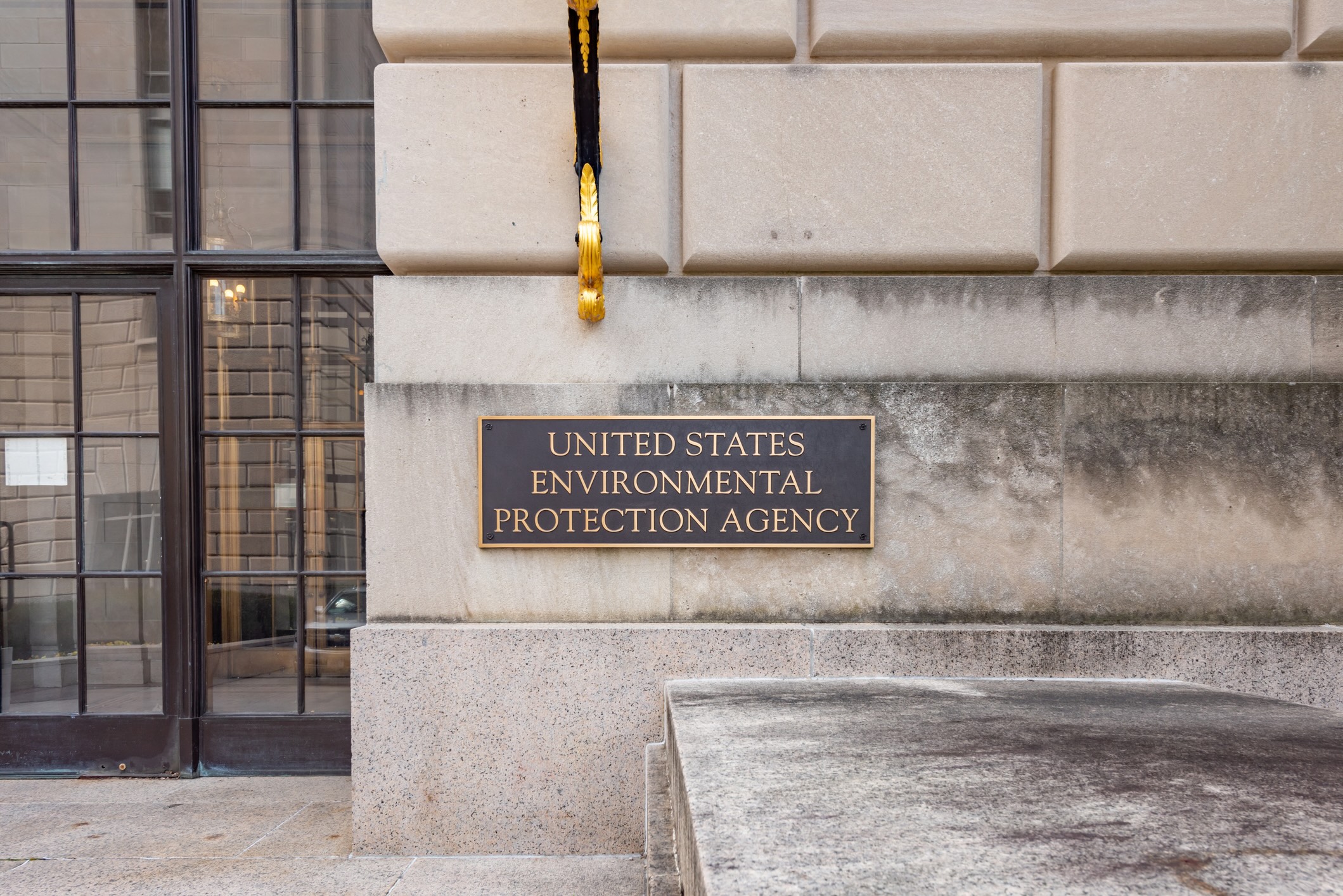
EPA Reverses 2009 Endangerment Finding in Major Shift for U.S. Climate Regulation
.svg)

.svg)
.svg)
.svg)
Key Takeaways
- Endangerment Finding Repealed: The EPA has formally repealed the 2009 Endangerment Finding, which had concluded that greenhouse gases from vehicles endanger public health and welfare.
- Vehicle GHG Standards Eliminated: Federal greenhouse gas emission standards for light-, medium-, and heavy-duty vehicles covering model years 2012 and beyond have been rescinded.
- Legal Authority Reinterpreted: The agency concluded that Section 202(a) of the Clean Air Act does not authorize regulating vehicle emissions to address global climate change, citing recent Supreme Court rulings.
- Estimated $1.3 Trillion in Savings: EPA estimates more than $1.3 trillion in regulatory cost savings and an average vehicle price reduction of over $2,400.
- Legal Challenges Expected: Environmental groups, including Earthjustice, have signaled plans to challenge the rule in court, continuing the longstanding legal debate over EPA’s climate authority.
Deep Dive
In a massive shift in federal climate policy, the U.S. Environmental Protection Agency finalized a rule repealing the 2009 Greenhouse Gas Endangerment Finding and rolling back federal greenhouse gas emission standards for light, medium, and heavy-duty vehicles.
Administrator Lee Zeldin announced the decision alongside President Donald Trump at the White House, calling it the largest deregulatory action in U.S. history. The final rule eliminates greenhouse gas standards for motor vehicles and engines covering model years 2012 through 2027 and beyond, repeals related compliance programs and reporting requirements, and removes all “off-cycle” credits, including those associated with vehicle start-stop systems.
The EPA estimates the rule will result in more than $1.3 trillion in cost savings and reduce vehicle prices by an average of more than $2,400 per vehicle. The agency emphasized that the action applies only to greenhouse gas standards and does not alter existing regulations governing criteria pollutants or hazardous air toxics.
A Foundational Policy Reversed
The 2009 Endangerment Finding determined that greenhouse gases emitted from motor vehicles could reasonably be anticipated to endanger public health and welfare. That determination, issued during the Obama administration, provided the legal trigger for regulating vehicle greenhouse gas emissions under Section 202(a) of the Clean Air Act.
In the newly finalized rule, the EPA concludes that Section 202(a) does not authorize the agency to regulate motor vehicle and engine emissions for the purpose of addressing global climate change in the manner previously used. The agency states that the Endangerment Finding and the regulatory framework built upon it lack a valid statutory basis.
The decision marks a direct departure from nearly 16 years of federal climate regulation in the transportation sector, a period during which greenhouse gas standards shaped vehicle design, compliance programs, and industry planning.
Supreme Court Decisions and Agency Authority
In explaining its legal reasoning, the EPA pointed to several recent Supreme Court rulings that, in its view, clarify the limits of administrative authority. Those include Loper Bright Enterprises v. Raimondo, West Virginia v. EPA, Michigan v. EPA, and Utility Air Regulatory Group v. EPA.
The agency said those decisions underscore that major policy determinations with significant economic consequences must come from Congress and that statutes must be interpreted according to their “best meaning” at the time of enactment.
The reconsideration of the Endangerment Finding followed President Trump’s Executive Order 14154, “Unleashing American Energy,” issued on his first day back in office. The order directed the EPA to evaluate the legality and continuing applicability of the 2009 finding. The agency announced a formal reconsideration in March 2025 and proposed repeal in July 2025.
The Endangerment Finding itself grew out of the Supreme Court’s 2007 decision in Massachusetts v. EPA. In that ruling, the Court held that greenhouse gases qualify as “air pollutants” under the Clean Air Act and instructed the EPA to determine whether such emissions endanger public health or welfare.
In 2009, the EPA concluded that greenhouse gases from vehicles do pose such a danger. That finding was later challenged by industry groups, including the American Petroleum Institute and the Competitive Enterprise Institute. The U.S. Court of Appeals for the D.C. Circuit upheld the finding, and the Supreme Court declined further review.
Climate Modeling and Policy Rationale
In its final rule, the EPA states that even a complete elimination of U.S. vehicle greenhouse gas emissions would not produce a material impact on global climate indicators through 2100. Based on that analysis, the agency concluded that greenhouse gas standards for vehicles are not necessary to fulfill its statutory mission and are not authorized under the Clean Air Act as interpreted in light of recent case law.
The EPA also maintains that the Clean Air Act was historically directed at local and regional air pollution rather than global climate phenomena.
The rule followed a 52-day public comment period, including four days of virtual hearings with testimony from more than 600 individuals. The EPA said it received approximately 572,000 public comments and made revisions to the final rule in response. The comments and agency responses are available in the public docket.
Environmental advocacy group Earthjustice criticized the move. In a statement, Earthjustice President Abigail Dillen said the administration was abandoning its responsibility to protect Americans from climate pollution and indicated the organization would challenge the rule in court. Earthjustice previously participated in defending the Endangerment Finding against industry challenges in 2013 and 2014.
With the repeal now finalized, the future of federal greenhouse gas regulation for vehicles shifts back to the courts. Legal challenges are widely expected, setting up another chapter in the long-running debate over the scope of the Clean Air Act and the federal government’s role in addressing climate change.
The GRC Report is your premier destination for the latest in governance, risk, and compliance news. As your reliable source for comprehensive coverage, we ensure you stay informed and ready to navigate the dynamic landscape of GRC. Beyond being a news source, the GRC Report represents a thriving community of professionals who, like you, are dedicated to GRC excellence. Explore our insightful articles and breaking news, and actively participate in the conversation to enhance your GRC journey.
🔒
Continue reading with Access
Get full access to this analysis and everything else on GRC Report—enforcement databases, custom alerts, and market intelligence.
Get Access →
Already a member?
Sign In
Cancel anytime
Full archive access
Custom alerts
Sponsored by
