



 Access Login


Sep 26, 2024
Jan 18, 2026
False Claims Act Recoveries Hit Record $6.8 Billion in FY 2025 as Whistleblower Activity Surges
.svg)

.svg)
.svg)
.svg)
Key Takeaways
- Record Recoveries: False Claims Act settlements and judgments topped $6.8 billion in FY 2025, the highest annual total ever.
- Whistleblower Momentum: A record 1,297 qui tam lawsuits were filed, driving enforcement activity.
- Health Care Leads: More than $5.7 billion of recoveries involved health care fraud tied to federal programs.
- Expanding Focus Areas: DOJ pursued cases involving procurement, cybersecurity compliance, pandemic relief, and tariff evasion.
- Cooperation Matters: Self-disclosure, cooperation, and remediation continued to influence settlement terms.
Deep Dive
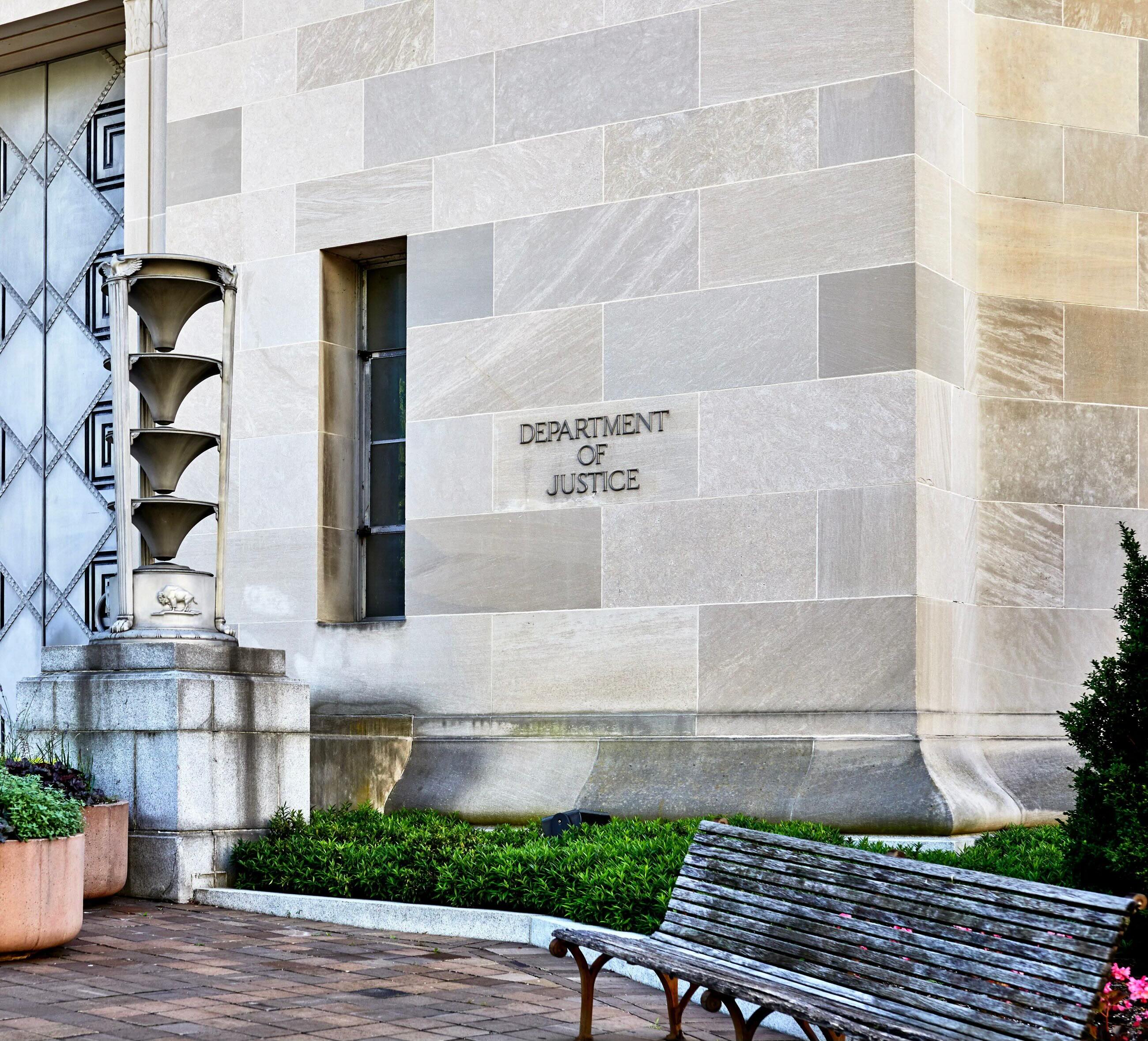
The federal government collected more than $6.8 billion in settlements and judgments under the False Claims Act (FCA) in fiscal year 2025, marking the largest single-year total in the law’s history, the U.S. Department of Justice announced Friday.
The headline number reflects an unusually active year for enforcement. Whistleblowers filed 1,297 qui tam lawsuits, the highest annual figure on record, while the government opened 401 new investigations, including cases tied to stated administration policy priorities. Since Congress strengthened the FCA in 1986, total recoveries now exceed $85 billion.
Deputy Attorney General Todd Blanche said the results show the statute remains a central pillar of the government’s fraud-fighting toolkit. “Stopping rampant fraud is a top priority, and this record-breaking year proves the False Claims Act remains one of the government’s most powerful weapons against fraud,” Blanche said, adding that the Department will continue to deploy it aggressively to protect taxpayer dollars.
Assistant Attorney General Brett A. Shumate, who leads the Civil Division, pointed to the scale and complexity of the cases behind the numbers, crediting Department staff for sustained investigative and litigation work across a wide range of programs that rely on public funds.
Health Care Continues to Drive Recoveries
As in prior years, health care fraud dominated FCA enforcement. Of the more than $6.8 billion recovered in FY 2025, over $5.7 billion stemmed from matters involving the health care industry. Those cases affected major federal programs including Medicare, Medicaid, and TRICARE, the health care program for service members and their families.
The Department said enforcement efforts continued to expand in three areas in particular: managed care, prescription drugs, and medically unnecessary care. While the reported figures reflect federal losses, officials noted that many of these cases also led to additional recoveries for state Medicaid programs.
Beyond the dollars returned, the Department emphasized the patient-protection dimension of FCA enforcement, noting that many cases involved conduct that was medically unnecessary or potentially harmful.
Procurement, Cybersecurity, Pandemic Relief, and Trade Fraud
Outside the health care sector, the Department maintained a steady focus on fraud in government procurement and grant programs, including cases involving military contracts. Officials warned that fraud affecting the armed forces not only wastes taxpayer money but can also deprive service members of critical resources and create national security risks.
The Department also continued to bring cases against contractors and grantees that knowingly failed to meet federal cybersecurity requirements, reflecting the government’s broader push to strengthen digital security across its supply chain. Enforcement tied to pandemic relief programs remained another priority, with hundreds of millions of dollars recovered from fraud linked to emergency funding.
Trade fraud emerged as another area of emphasis. During the fiscal year, the Department launched a cross-agency Trade Fraud Task Force aimed at combating schemes that evade tariffs and customs duties. These cases often involve misrepresenting the type or origin of imported goods, conduct the Department says undermines domestic industries, erodes consumer confidence, and weakens national security.
Cooperation Still Shapes Outcomes
Deputy Assistant Attorney General Brenna Jenny said the FCA remains a powerful tool, but one the Department seeks to use responsibly. Several settlements in FY 2025 reflected credits for cooperation, including reduced penalties or damages, where companies self-disclosed misconduct, assisted investigators, or took meaningful remedial steps.
Those measures, the Department said, can include internal investigations, enhancements to compliance programs, cooperation in calculating government losses, and disciplinary action against responsible employees.
The GRC Report is your premier destination for the latest in governance, risk, and compliance news. As your reliable source for comprehensive coverage, we ensure you stay informed and ready to navigate the dynamic landscape of GRC. Beyond being a news source, the GRC Report represents a thriving community of professionals who, like you, are dedicated to GRC excellence. Explore our insightful articles and breaking news, and actively participate in the conversation to enhance your GRC journey.
Sponsored by
