



 Access Login


Jul 20, 2023
Nov 12, 2026
Family Dollar Agrees to $63 Million Settlement Over Widespread Pricing Violations


🔒

Continue reading with Access
Get full access to this analysis and everything else on GRC Report—enforcement databases, custom alerts, and market intelligence.
Get Access
Already a member?
Sign In
Cancel anytime
Full archive access
Custom alerts
Key Takeaways
- $63 Million Settlement: Family Dollar has agreed to a proposed $63 million settlement with the FTC and 17 states over allegations that it routinely charged customers more than advertised prices.
- Repeated Pricing Violations: Regulators allege that the company failed to correct widespread pricing discrepancies despite thousands of violations, repeated inspections, consumer complaints and previous enforcement actions.
- Consumer Compensation: The settlement includes a $40 million consumer redress fund, a $20 million customer discount program and more than $3 million in payments to participating states.
- Stronger Pricing Controls: Family Dollar would be required to implement a pricing accuracy program involving regular monitoring, employee training, independent assessments and annual compliance certifications.
- Broader Regulatory Scrutiny: The settlement follows a separate FTC lawsuit against Dollar General involving similar allegations of inaccurate pricing and failures to address known problems.
Deep Dive
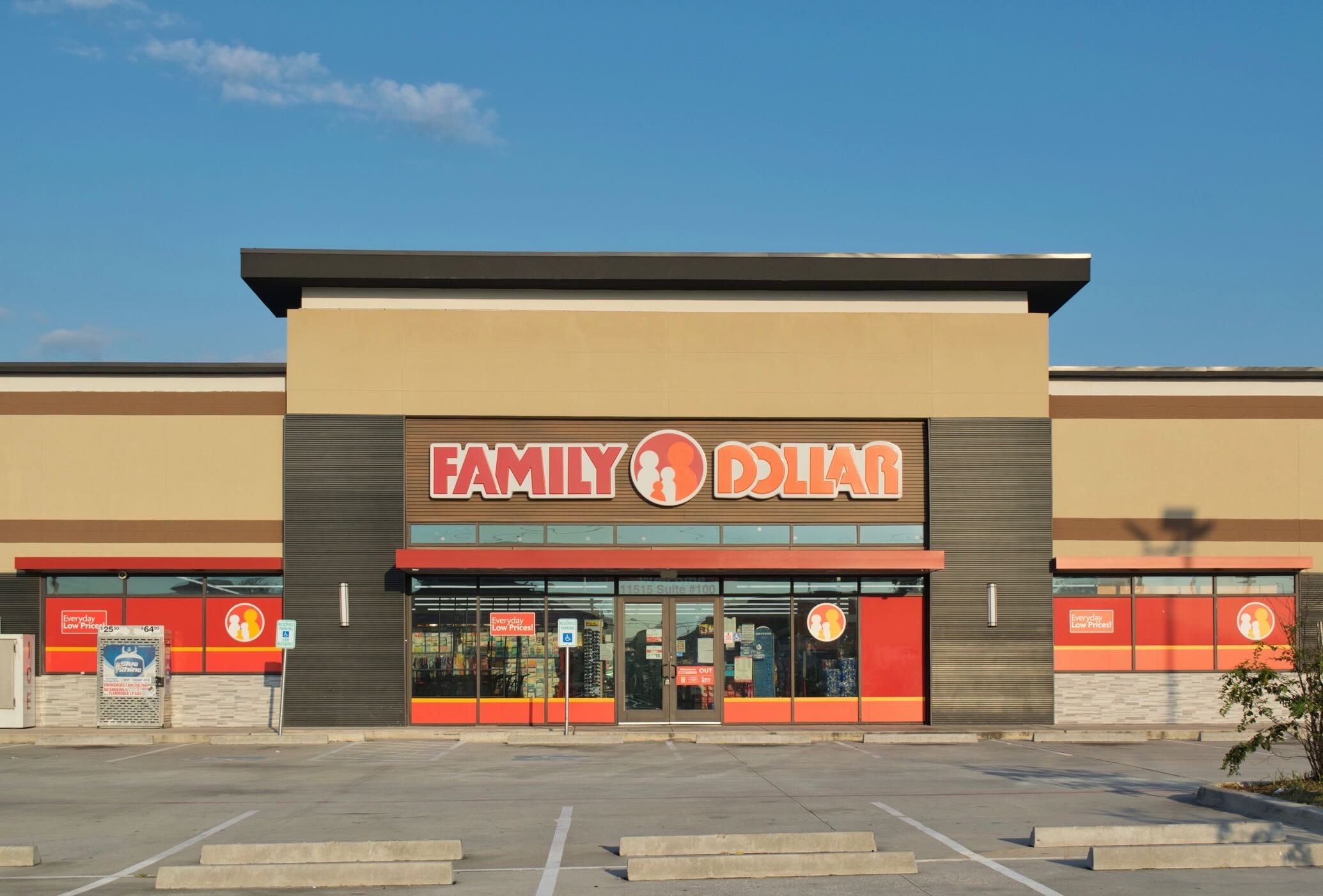
Family Dollar has agreed to a $63 million settlement with the Federal Trade Commission and 17 states over allegations that it routinely charged customers more at checkout than the prices displayed on store shelves, product labels and advertisements, even after years of regulatory warnings and consumer complaints.
The proposed settlement includes $40 million in consumer restitution, $20 million in customer discounts and more than $3 million in payments to participating states. It would also require the discount retailer to introduce new pricing controls, undergo independent compliance assessments and certify its adherence to the requirements annually.
According to the FTC's complaint, thousands of Family Dollar stores across the country charged customers more than advertised, including in low-income communities where residents have limited access to full-service grocery stores. Regulators allege that the company failed to adequately address the discrepancies despite repeated inspections, previous enforcement actions and complaints from shoppers.
Years of Complaints and Enforcement Actions
The FTC's allegations describe pricing problems that persisted through years of regulatory scrutiny. Over the past five years, state and local authorities cited Family Dollar for thousands of pricing violations, imposing more than $3 million in fines. During the past three years, the retailer also entered into multiple settlements with state attorneys general and consumer protection agencies, paying more than $800,000 in penalties related to inaccurate pricing. Those enforcement actions did not resolve the underlying problems, according to the complaint.
Regulatory inspections continued to find discrepancies between advertised prices and the amounts charged at checkout. Customers across the country reported similar experiences, often discovering that products cost more at the register than the prices displayed on store shelves.
One source of the problem was the company's process for updating prices. Regulators identified instances in which prices changed at checkout before employees had updated the corresponding shelf labels, leaving customers with inaccurate information about what their purchases would cost. The alleged discrepancies also affected Family Dollar's digital operations.
According to the complaint, customers were charged more than the prices advertised on the company's website and mobile application. Shoppers also reported being unable to redeem discounts offered through Family Dollar's Smart Coupons program because the application malfunctioned or otherwise prevented them from accessing the advertised savings.
The FTC said the company's own records documented six years of customer complaints about problems obtaining promised discounts through the application. Despite those complaints, thousands of failed pricing inspections and multiple enforcement actions, regulators allege that Family Dollar continued to make inaccurate pricing representations.
Settlement Imposes New Compliance Requirements
The proposed order would prohibit Family Dollar from misrepresenting the prices of its products and services and require the company to establish a formal pricing accuracy program.
Under that program, the retailer would have to regularly monitor and verify prices, train employees to identify discrepancies and promptly correct errors. The requirements are intended to ensure that customers pay the prices displayed or advertised when making their purchases. The company would also be required to undergo independent assessments of its pricing accuracy program and provide annual certifications of compliance.
The settlement's financial provisions include a $40 million consumer redress fund and a separate $20 million discount program for Family Dollar customers. Payments exceeding $3 million would go to the participating states. Family Dollar would have to inform customers about their eligibility for restitution through notices displayed in its stores and on its digital platforms.
Christopher Mufarrige, director of the FTC's Bureau of Consumer Protection, said the proposed settlement would address the alleged pricing practices and compensate affected customers.
“The FTC is committed to ensuring price transparency and fairness so consumers can make informed choices,” Mufarrige said. “Today’s order will ensure Family Dollar stops deceiving consumers about its prices and returns money to consumers harmed by these practices.”
The requirements would impose continuing oversight of Family Dollar's pricing operations, including independent reviews and documented compliance measures. Previous enforcement actions had already required corrective steps, but regulators allege that pricing discrepancies persisted.
Similar Allegations Against Dollar General
The Family Dollar settlement comes less than three weeks after the FTC and state partners filed a separate lawsuit against Dollar General Corporation. The October 26 complaint alleges that Dollar General also charged customers more than advertised and failed to correct inaccurate pricing practices despite warnings about the problem. That case remains in litigation.
The two proceedings concern similar allegations against major discount retailers whose customers include households with limited shopping alternatives. In Family Dollar's case, regulators specifically identified the financial consequences for consumers in lower-income communities.
The proposed settlement would require Family Dollar to do more than compensate customers for past overcharges. It would place the company's pricing procedures under continuing scrutiny, with independent assessments and annual certifications intended to establish whether the retailer has corrected problems that regulators say persisted for years.
The GRC Report is your premier destination for the latest in governance, risk, and compliance news. As your reliable source for comprehensive coverage, we ensure you stay informed and ready to navigate the dynamic landscape of GRC. Beyond being a news source, the GRC Report represents a thriving community of professionals who, like you, are dedicated to GRC excellence. Explore our insightful articles and breaking news, and actively participate in the conversation to enhance your GRC journey
Sponsored by
