



 Access Login

Jul 24, 2023
Oct 9, 2026
FCC Proposes More Than $10 Million in Fines Against Two Lifeline Providers Over Alleged Fraud
.svg)

.svg)
.svg)
.svg)
Key Takeaways
- FCC Proposes $10.1 Million in Fines. AirVoice Wireless and TAG Mobility face proposed penalties of $2.67 million and $7.45 million, respectively, over alleged Lifeline program violations.
- Duplicate Subscriber Claims. The companies allegedly sought multiple reimbursements for the same subscribers, alongside apparent violations involving false certifications, false statements and wire fraud.
- Millions Paid for Deceased Subscribers. A broader FCC investigation found nearly $5 million in payments associated with deceased subscribers, with nearly 81% of cases in California.
- Lifeline Oversight Tightened. The FCC revoked California's National Verifier exemption and adopted reforms to strengthen eligibility verification.
- Penalties Remain Proposed. Both companies can contest the allegations before the FCC makes a final determination.
Deep Dive
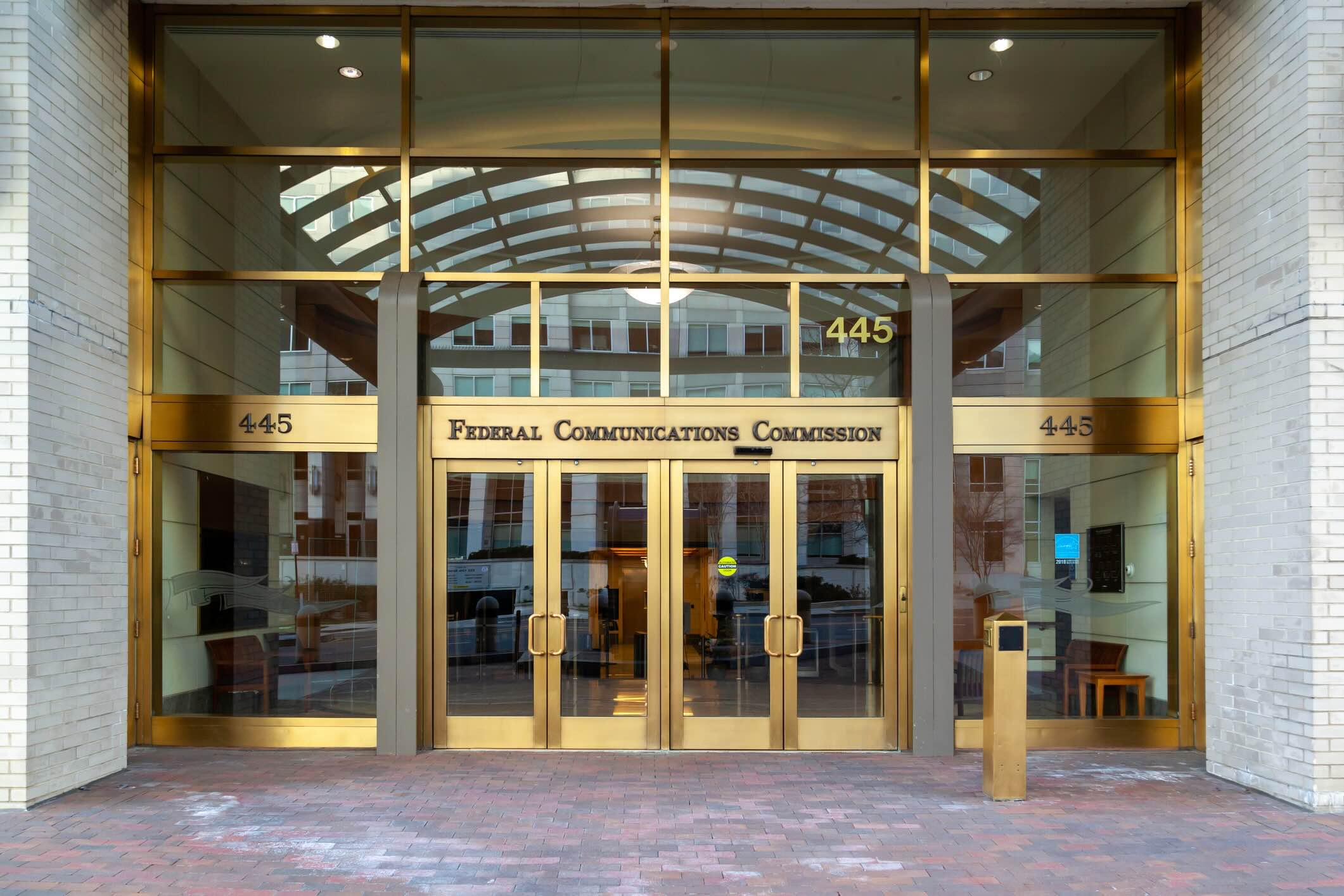
The Federal Communications Commission has proposed more than $10 million in fines against two telecommunications providers accused of submitting improper reimbursement claims under a federal program that helps low-income Americans pay for phone and internet service.
AirVoice Wireless faces a proposed penalty of $2,673,966, while TAG Mobility faces a proposed fine of $7,453,966, the FCC announced October 7. The companies, which share common ownership, allegedly claimed federal subsidies multiple times for the same Lifeline subscribers and committed other violations involving false certifications, false statements and wire fraud.
The proposed penalties total $10,127,932. Neither company has been found liable through a final Commission decision, and both will have an opportunity to contest the allegations.
An Inspector General advisory had examined three states that opted out of using the National Verifier, the federal system used to help determine whether applicants qualify for Lifeline assistance. According to the FCC, providers received nearly $5 million in federal payments associated with phone or internet service for hundreds of thousands of deceased individuals.
Nearly 81% of those cases occurred in California, where the Commission subsequently revoked the state's permission to operate outside the National Verifier system. The findings prompted the FCC's Enforcement Bureau to investigate providers for possible violations of Lifeline rules. The investigations into AirVoice and TAG included allegations referred by the Inspector General.
According to the FCC, the companies apparently submitted multiple claims for the same subscribers, falsely certified reimbursement requests and engaged in conduct involving apparent wire fraud and false statements. The agency's October 7 announcement did not specify how many subscribers were involved in the alleged violations by each company. Nor did it establish that either provider had submitted claims for deceased subscribers, an issue identified in the broader Inspector General investigation.
"The FCC has an obligation to be a good steward of federal dollars," FCC Chairman Brendan Carr said in a statement announcing the proposed penalties.
Carr said the Commission began investigating Lifeline providers in March following the Inspector General's advisory and described the latest enforcement actions as an effort to ensure federal support reaches eligible Americans.
The proposed fines follow a series of changes to the FCC's oversight of federally supported telecommunications programs. Earlier this year, the Commission adopted reforms intended to strengthen Lifeline eligibility requirements, including measures aimed at preventing deceased individuals and people who do not meet the program's requirements from participating.
The FCC has also adopted rules intended to improve its ability to remove disqualified participants from federal programs. Separately, the agency recently barred seven convicted criminals from participating in the E-Rate program, which provides telecommunications and internet support to eligible schools and libraries.
The AirVoice and TAG cases remain pending. The proposed penalties were issued through Notices of Apparent Liability for Forfeiture, which set out the Commission's allegations and the monetary sanctions it is considering. Such notices do not constitute final findings of wrongdoing.
Both companies may submit evidence and legal arguments in response. The FCC must consider those submissions before deciding whether to impose penalties, and any final fines cannot exceed the amounts proposed in the notices.
The proceedings will determine whether the companies are liable for the alleged violations and whether the proposed penalties should stand.
The GRC Report is your premier destination for the latest in governance, risk, and compliance news. As your reliable source for comprehensive coverage, we ensure you stay informed and ready to navigate the dynamic landscape of GRC. Beyond being a news source, the GRC Report represents a thriving community of professionals who, like you, are dedicated to GRC excellence. Explore our insightful articles and breaking news, and actively participate in the conversation to enhance your GRC journey.
🔒
Continue reading with Access
Get full access to this analysis and everything else on GRC Report—enforcement databases, custom alerts, and market intelligence.
Get Access →
Already a member?
Sign In
Cancel anytime
Full archive access
Custom alerts
Sponsored by
