



 Access Login


Oct 15, 2026
Nov 19, 2026
FinCEN Proposes Overhaul of Customer Due Diligence Rules With Backing From Federal Banking Regulators


🔒

Continue reading with Access
Get full access to this analysis and everything else on GRC Report—enforcement databases, custom alerts, and market intelligence.
Get Access
Already a member?
Sign In
Cancel anytime
Full archive access
Custom alerts
Key Takeaways
- Beneficial Ownership Verification: FinCEN proposes codifying existing relief that eliminates repeated identification and verification requirements when established legal entity customers open additional accounts.
- Identification Requirements: The proposal would clarify acceptable beneficial ownership identification information, including restrictions on the use of Individual Taxpayer Identification Numbers (ITINs).
- Risk-Based Information Collection: Financial institutions would have express authority to obtain additional information about beneficial owners when warranted by financial crime risks or supervisory concerns.
- Federal Regulatory Support: The FDIC, OCC and NCUA have endorsed the proposed changes and encouraged financial institutions to participate in the rulemaking.
Deep Dive
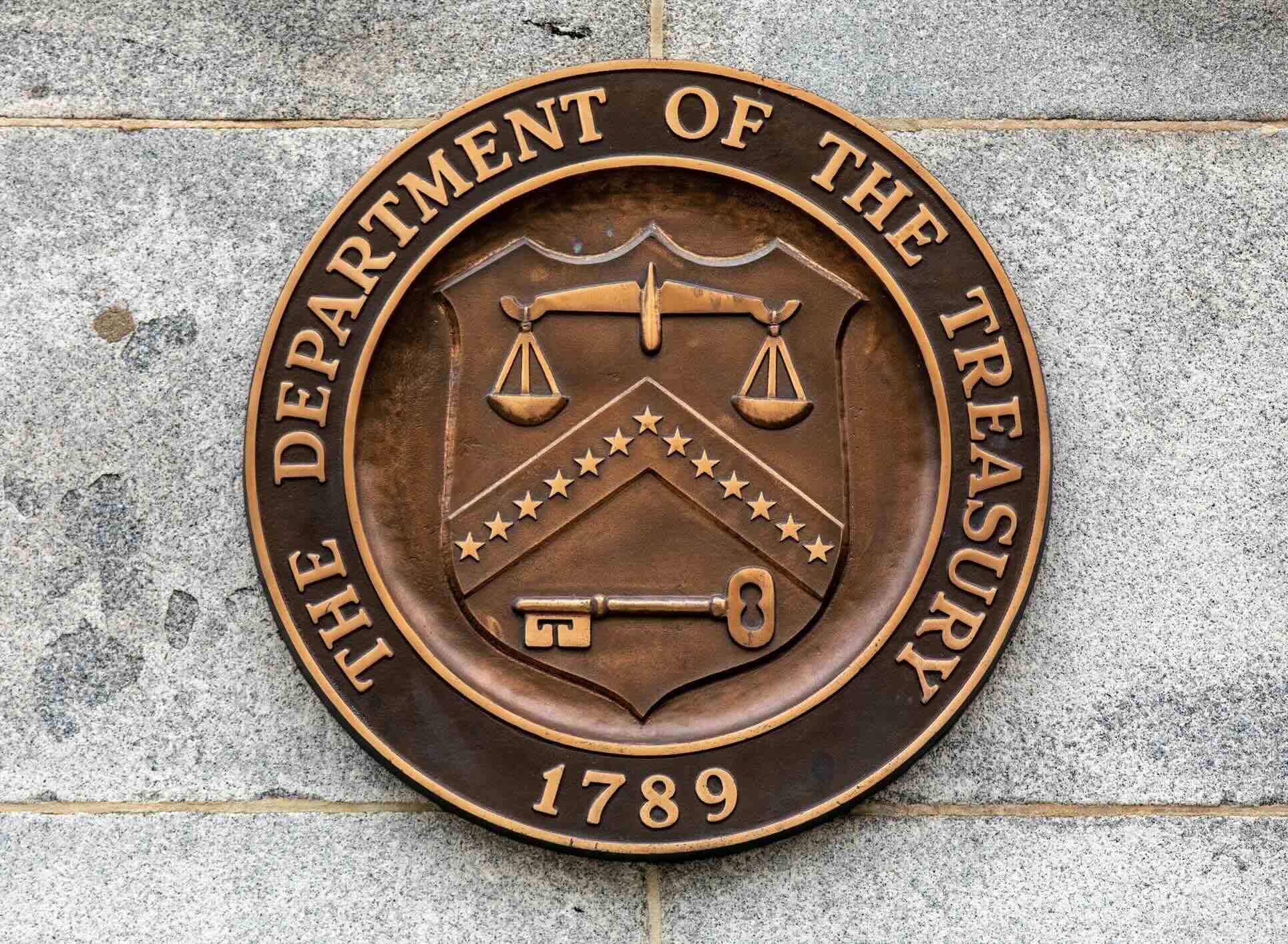
The Treasury Department is proposing to ease a recurring compliance requirement for banks and other financial institutions, while tightening the rules governing what identification they must collect from the people who own their business customers.
The Financial Crimes Enforcement Network (FinCEN) issued the proposal, seeking amendments to its customer due diligence requirements under the Bank Secrecy Act. The changes would formally eliminate repeated beneficial ownership identification and verification when an existing legal entity customer opens another account, clarify acceptable identification information, and expressly permit institutions to make additional inquiries when financial crime risks warrant them.
The proposal has already won the backing of three federal banking regulators. The Federal Deposit Insurance Corporation, Office of the Comptroller of the Currency and National Credit Union Administration issued separate statements supporting the changes and encouraging institutions to participate in the rulemaking.
For financial institutions, the proposal contains both relief from an administrative obligation and potentially consequential changes to identification procedures. One provision would prohibit the use of an Individual Taxpayer Identification Number (ITIN) as a substitute for a Social Security number when identifying a beneficial owner. Another would expressly recognize institutions' authority to obtain information about a beneficial owner's lawful immigration status or employment authorization when relevant to assessing financial crime risks.
FinCEN is pursuing the amendments under Executive Order 14406, Restoring Integrity to America's Financial System, which directs Treasury to strengthen risk-based customer due diligence requirements.
Treasury Secretary Scott Bessent said the proposal would reduce unnecessary compliance burdens while giving institutions more flexibility to combat financial crime.
“This proposed rule cuts unnecessary burden, gives institutions more flexibility to effectively combat risk, and strengthens our fight against financial crime,” Bessent said.
Changes to Beneficial Ownership Verification
Under FinCEN's existing customer due diligence framework, covered financial institutions must identify and verify the beneficial owners of legal entity customers. The requirements generally cover individuals who own 25% or more of a legal entity and one individual with significant responsibility for controlling it.
For years, those requirements included identifying and verifying beneficial owners whenever a legal entity customer opened a new account, even when the institution already had a relationship with the business.
FinCEN issued exceptive relief in February 2026 that removed the requirement to repeat those procedures for every additional account. The relief generally requires institutions to identify and verify beneficial owners when a legal entity customer first opens an account, when information comes to light that reasonably calls previously collected information into question, or when required under the institution's risk-based ongoing due diligence procedures.
The new proposal would incorporate that relief into the regulation itself. It would not eliminate the underlying obligation to identify beneficial owners or maintain appropriate customer due diligence procedures.
The distinction is consequential for institutions administering large numbers of business accounts. Compliance departments would have a clearer regulatory basis for relying on previously obtained beneficial ownership information, rather than treating each additional account as an occasion to repeat the original verification process.
FinCEN also proposes to specify the identifying information institutions must obtain about beneficial owners. The proposal addresses acceptable identification numbers and documents, including Social Security numbers and certain government-issued identification documents for non-U.S. persons.
Notably, FinCEN would expressly exclude ITINs as substitutes for Social Security numbers. The agency has requested comment on the workability of that restriction, which could affect institutions' procedures for identifying beneficial owners who use taxpayer identification numbers rather than Social Security numbers.
The proposed rule would also permit institutions to obtain beneficial ownership information from third-party sources and, under specified circumstances, rely on oral or written confirmation of information previously collected.
These provisions would leave institutions with decisions to make about their own identification procedures, particularly where existing practices rely on documents or information sources addressed by the proposed amendments.
Additional Information When Risk Warrants It
Another provision would expressly recognize that covered financial institutions may collect information beyond the minimum required for beneficial ownership identification when other risk indicators or supervisory concerns justify doing so.
FinCEN specifically identifies information concerning lawful immigration status and employment authorization in the United States as information that institutions may obtain when relevant to assessing risks associated with fraud, identity misrepresentation, sanctions evasion or other illicit financial activity.
The proposal does not establish a blanket requirement to investigate the immigration status of beneficial owners. Nor does it prescribe every circumstance in which an institution should request such information.
Instead, FinCEN would leave institutions to determine when additional inquiries are warranted by the risks they identify or concerns raised through supervision.
That discretion would place considerable importance on how institutions document their decisions. Compliance programs would need to distinguish information required for every applicable beneficial ownership identification from supplementary information sought in response to particular risks.
FinCEN has indicated that it expects to provide additional guidance, alerts and advisories concerning emerging financial crime threats. The agency's proposal would preserve flexibility for institutions to respond to those threats without prescribing an exhaustive list of circumstances requiring enhanced information collection.
Federal Regulators Back the Proposal
The FDIC, OCC and NCUA welcomed the proposed amendments on November 17, with each agency emphasizing the value of directing compliance resources toward more significant financial crime threats.
FDIC Chairman Travis Hill said the changes would allow banks to concentrate on risks to financial institutions and national security.
“Banks play a critical role in combating financial crime, and giving banks greater flexibility to focus their resources on the greatest threats to financial institutions and national security will increase the effectiveness of CDD requirements,” Hill said.
Comptroller of the Currency Jonathan V. Gould drew particular attention to the repeated identification and verification procedures that the proposal would eliminate from the regulation. Gould said banks should be able to rely on their understanding of existing customers rather than devote resources to duplicative procedures whenever those customers open additional accounts. He also welcomed the clarification of institutions' authority to obtain supplementary information when warranted by risk or supervisory concerns.
“Effective Bank Secrecy Act compliance depends on understanding customers and the risks their activities present,” Gould said.
The NCUA offered its support as well. Chairman John Crews encouraged credit unions to participate in the rulemaking, noting the importance of a more risk-focused approach to anti-money laundering and countering terrorist financing obligations.
Credit unions are subject to applicable Bank Secrecy Act requirements, making the proposal relevant to their customer due diligence programs alongside those of banks and other covered financial institutions.
The agencies' statements were supportive, though none announced separate regulatory amendments. Their endorsements also do not resolve how the proposed provisions would operate in practice once finalized.
For institutions subject to examinations, the consistency between FinCEN's regulations and supervisory expectations will be important. A reduction in repetitive verification requirements offers less practical relief if institutions remain uncertain about the circumstances in which examiners expect them to collect information again.
What Comes Next for Financial Institutions
FinCEN published the proposal in the Federal Register on November 19, opening a public comment period that runs through January 19, 2027. The agency is seeking feedback on the proposed amendments, including the identification information institutions should be permitted to accept and the operation of the revised beneficial ownership requirements.
The proposal is narrower than a wholesale revision of the Bank Secrecy Act framework. It would amend specific customer due diligence provisions while retaining the underlying obligation to identify beneficial owners and assess the financial crime risks associated with legal entity customers.
Some of the proposed changes would formalize relief institutions have already received. Others, particularly the treatment of taxpayer identification numbers and the express recognition of immigration-related inquiries, raise questions about how institutions should administer their identification procedures. Those questions will be addressed through the rulemaking process. For now, the existing customer due diligence regulations and applicable FinCEN relief remain in effect.
The Treasury Department has made clear that it wants institutions to spend less time repeating procedures that have already been completed. Its proposal also asks them to exercise judgment about when further scrutiny is necessary. How those expectations are reconciled in the final rule will matter to the compliance officers responsible for putting them into practice.
The GRC Report is your premier destination for the latest in governance, risk, and compliance news. As your reliable source for comprehensive coverage, we ensure you stay informed and ready to navigate the dynamic landscape of GRC. Beyond being a news source, the GRC Report represents a thriving community of professionals who, like you, are dedicated to GRC excellence. Explore our insightful articles and breaking news, and actively participate in the conversation to enhance your GRC journey.
Sponsored by
