


Jun 11, 2026
Aug 13, 2026
FinCEN Says Financial Institutions Flagged Nearly $5 Billion Tied to Suspected Human Smuggling
.svg)

.svg)
.svg)
.svg)
Key Takeaways
- Financial Institutions Flagged Nearly $5 Billion: FinCEN identified nearly $5 billion in suspicious activity potentially related to human smuggling across 67,540 Bank Secrecy Act reports filed between 2023 and 2025.
- Reporting Fell Sharply in 2025: Suspected human smuggling-related BSA reports peaked in 2024 before declining 62% in 2025.
- Money Services Businesses Filed Nearly All Reports: MSBs accounted for approximately 97% of the reports, frequently identifying unusual transaction patterns, transfers along common migration routes and suspected structuring.
- Banks Accounted for Most of the Dollar Value: Depository institutions filed only about 3% of the reports but accounted for approximately 61% of the total suspicious activity amount.
- Different Institutions Saw Different Warning Signs: FinCEN identified indicators ranging from unverifiable relationships between senders and recipients to funnel accounts, excessive cash activity and travel agencies potentially facilitating migrant transportation.
Deep Dive
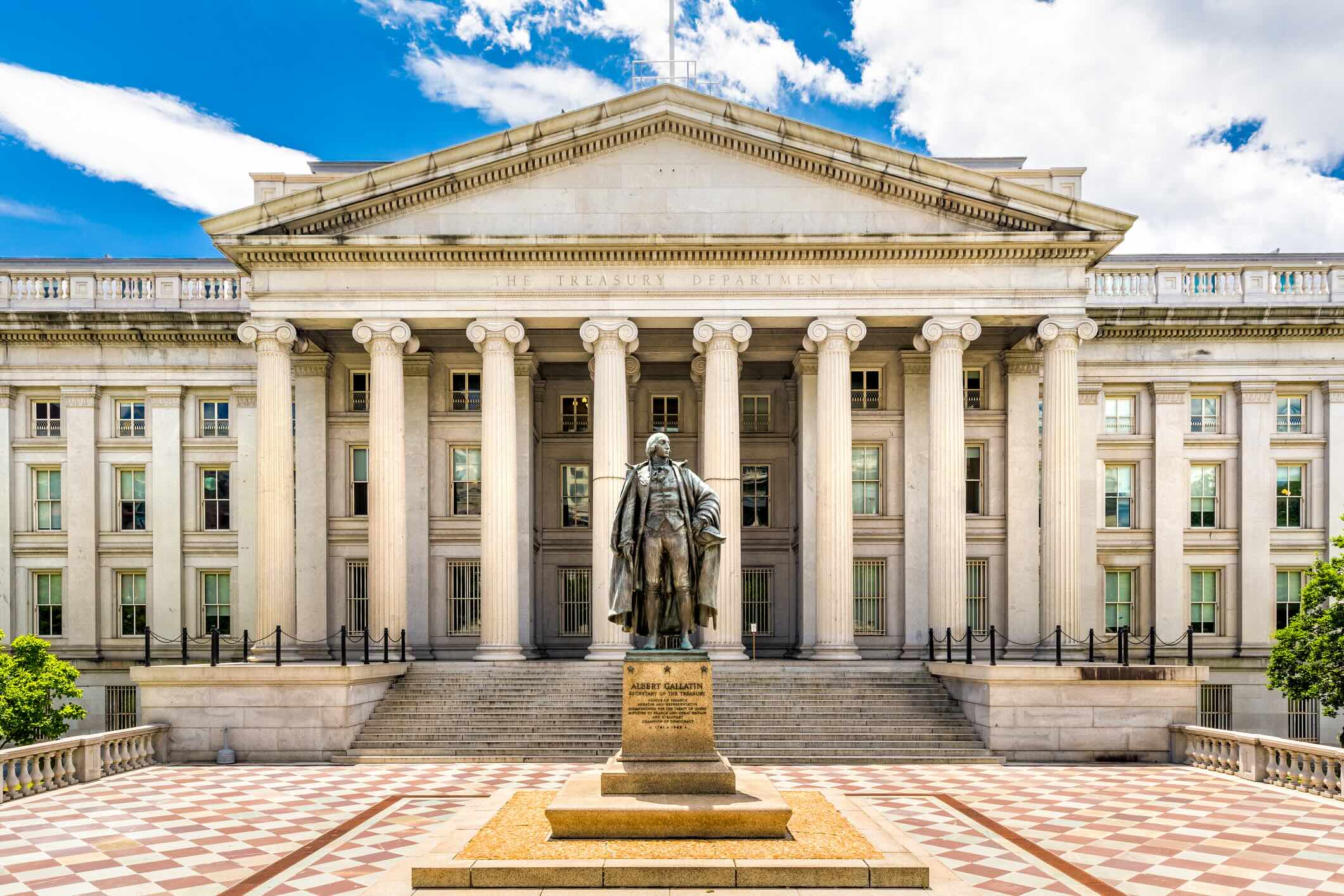
Financial institutions flagged nearly $5 billion in suspicious activity potentially connected to human smuggling between 2023 and 2025, according to an analysis released Thursday by the U.S. Treasury Department’s Financial Crimes Enforcement Network. FinCEN examined 67,540 Bank Secrecy Act reports from the three-year period, looking for the financial patterns that appeared repeatedly around suspected smuggling activity.
Some were straightforward. Money was sent along common migration routes. Cash activity piled up near the U.S. southwest border. Transactions were broken into amounts that appeared designed to avoid recordkeeping or reporting requirements. In other cases, what caught the attention of financial institutions was the relationship between the people at either end of a transfer — or, more precisely, the absence of one they could verify.
The reporting reached its high point in 2024 and then fell sharply. Suspected human smuggling-related BSA reports declined 62% in 2025. The United States ranked first among countries identified as subject locations, followed by Mexico, Guatemala, Honduras and Colombia.
FinCEN said human smuggling networks can generate profits for larger transnational criminal organizations, including Mexico-based drug cartels. The agency is using the financial reports to identify patterns that can assist law enforcement investigations.
“Suspicious activity flagged by financial institutions provides critical information, and we will continue to work closely with both the private sector and law enforcement to dismantle human smuggling networks and protect our borders,” FinCEN Director Andrea Gacki said.
Nearly All the Reports Came From MSBs
Money services businesses were responsible for approximately 97% of the BSA reports in FinCEN’s dataset. Their filings described a remarkably consistent set of circumstances: customers behaving outside their usual transaction patterns, funds traveling to places along common migration routes and transfers structured in ways that raised concerns about attempts to avoid reporting or recordkeeping requirements.
The relationship between sender and recipient proved especially useful. In 59% of the MSB reports, there was no verifiable familial connection between the transaction originator and beneficiary cited as a basis for filing.
That does not make an unfamiliar recipient evidence of human smuggling. Suspicious activity reports are precisely that — reports of activity deemed suspicious enough to warrant scrutiny, not findings that a crime occurred. But across tens of thousands of filings, the recurrence of the same characteristics gives FinCEN something more useful than an isolated red flag: a pattern.
Banks saw a different part of it. Depository institutions filed only about 3% of the reports analyzed. Yet the suspicious activity amounts contained in those reports accounted for approximately 61% of the nearly $5 billion total.
Their filings also looked different. Depository institutions reported suspected structuring of cash transactions and funnel accounts receiving money from numerous individuals. Some reports involved travel agencies arranging transportation for migrants. FinCEN said those ranged from sham operations to legitimate businesses that may have been facilitating the activity without knowing it.
The distinction matters for compliance teams because suspected smuggling finance does not necessarily arrive looking like a single recognizable scheme. An MSB may encounter a transfer to a recipient along a migration route with no apparent connection to the sender. A bank may instead see an account collecting funds from numerous people or repeated cash transactions that become suspicious only when viewed together.
And the headline number requires some care. FinCEN did not conclude that nearly $5 billion was proven to have financed human smuggling. It found that financial institutions reported nearly $5 billion in suspicious activity potentially related to it. BSA reports give investigators leads and patterns to examine. They are not criminal verdicts delivered by compliance departments.
That leaves financial institutions with the less satisfying, and more difficult, job of recognizing activity that may look ordinary in isolation but begins to say something once the transactions accumulate. FinCEN’s analysis offers a clearer picture of what that accumulation looked like over three years, and where different parts of the financial system were able to see it.
The GRC Report is your premier destination for the latest in governance, risk, and compliance news. As your reliable source for comprehensive coverage, we ensure you stay informed and ready to navigate the dynamic landscape of GRC. Beyond being a news source, the GRC Report represents a thriving community of professionals who, like you, are dedicated to GRC excellence. Explore our insightful articles and breaking news, and actively participate in the conversation to enhance your GRC journey.
🔒
Continue reading with Access
Get full access to this analysis and everything else on GRC Report—enforcement databases, custom alerts, and market intelligence.
Get Access →
Already a member?
Sign In
Cancel anytime
Full archive access
Custom alerts
Sponsored by
