


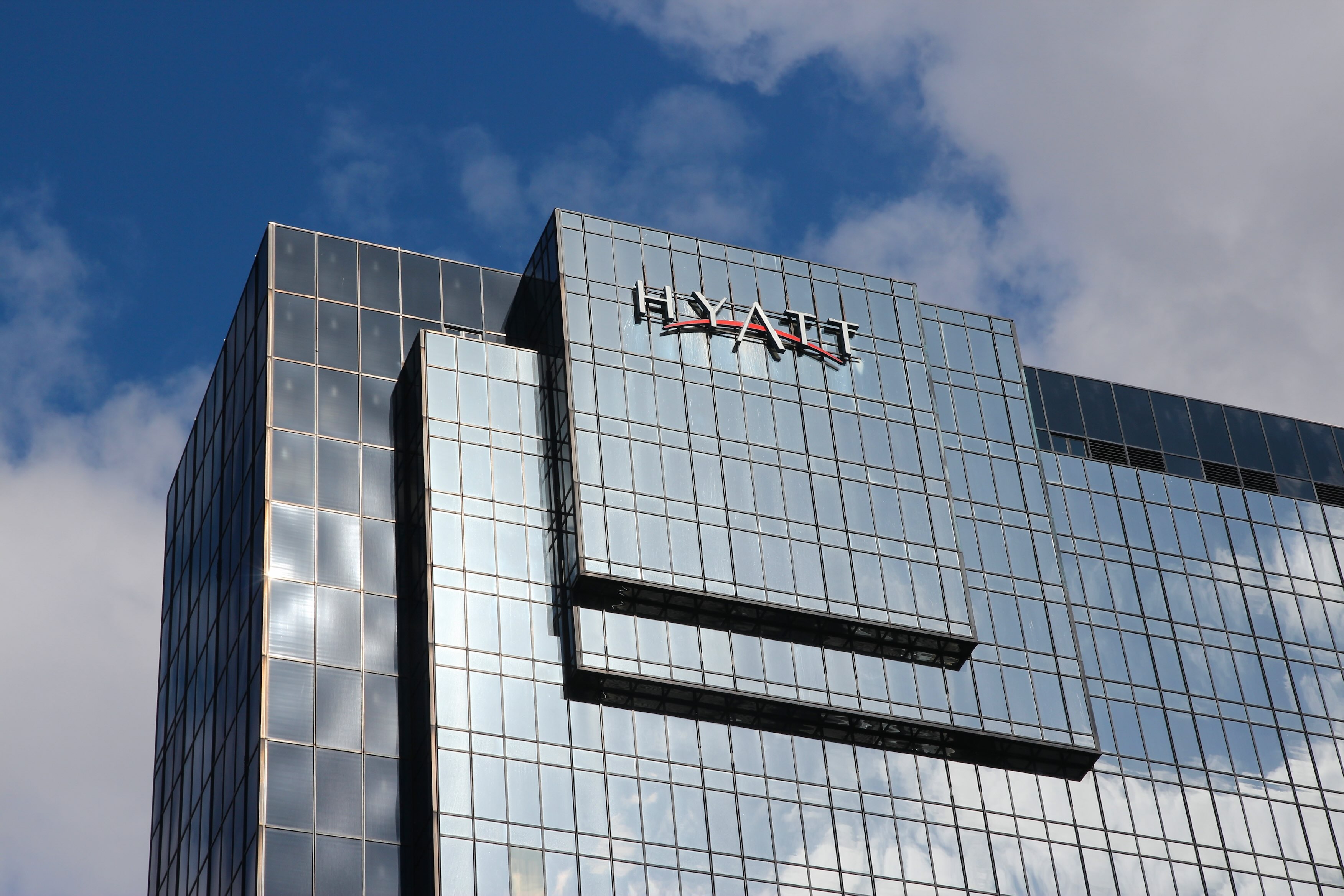
Jul 3, 2025
Mar 16, 2026
Hyatt Changes Card Surcharge Practices in Australia Following ACCC Investigation
.svg)

.svg)
.svg)
.svg)
Key Takeaways
- Hyatt Adjusts Surcharge Practices: Hyatt hotels in Australia changed card payment surcharge practices following an ACCC investigation into alleged excessive debit card surcharges at Hyatt Regency Sydney.
- Potential Breach of Consumer Law: The ACCC was concerned that debit card surcharges could exceed Hyatt’s cost of accepting those payments, potentially breaching the Competition and Consumer Act.
- Technology and Policy Updates: Hyatt implemented system and policy changes across its Australian hotels to ensure debit and credit cards are treated differently for surcharge purposes regardless of how a card is used.
Deep Dive
Hyatt hotels in Australia have revised their card payment surcharge practices after an investigation by the Australian Competition and Consumer Commission (ACCC) found potential issues with how surcharges were applied to debit card payments at the Hyatt Regency Sydney.
The changes come as the regulator continues broader monitoring of compliance with Australia’s card payment surcharging laws, which prohibit businesses from charging customers more than the cost of accepting a specific type of card payment.
According to the ACCC, its investigation began after receiving complaints from consumers about the surcharges applied at the Hyatt Regency Sydney. The regulator subsequently engaged with Hyatt Hotels Corporation, the hotel chain’s regional parent company, regarding the issue.
The ACCC’s concerns centered on allegations that debit card transactions were sometimes subject to surcharges that exceeded Hyatt’s actual cost of accepting those cards. The problem arose when customers used debit cards without inserting them into the payment terminal and selecting the “cheque/savings” option. In those situations, the surcharge applied could exceed the merchant’s cost of acceptance.
ACCC Deputy Chair Mick Keogh said the case serves as a reminder that businesses must ensure surcharges reflect the real cost of processing card payments.
“Businesses are reminded they must not charge a card payment surcharge that is in excess of their cost of accepting the type of card that is being surcharged,” Keogh said.
Changes Implemented Across Australian Hyatt Hotels
Following discussions with the ACCC, Hyatt implemented technological and policy adjustments across all of its hotels in Australia. The changes ensure debit and credit cards are treated differently for surcharge purposes, regardless of how the card is presented or interacts with a payment terminal.
The updates are designed to ensure consumers are not charged surcharges that exceed the hotel chain’s cost of accepting the relevant card type.
The ACCC said Hyatt cooperated with the regulator during the investigation and moved promptly to address the issue once it was identified.
Monitoring of Surcharging Practices
The matter comes amid heightened scrutiny of card payment surcharges in Australia. The ACCC has been actively monitoring businesses for potential breaches of the country’s surcharging rules and investigating cases where consumers may have been charged excessive fees.
In April 2025, the regulator issued a broader warning encouraging businesses to review their payment systems and ensure that surcharges applied to card transactions do not exceed the cost of accepting those payments.
“The ACCC expects all businesses to comply with the law and ensure their payment systems and staff are informed of different card types and apply the correct surcharge amounts for each, as it can vary between credit cards and debit cards,” Keogh said.
The GRC Report is your premier destination for the latest in governance, risk, and compliance news. As your reliable source for comprehensive coverage, we ensure you stay informed and ready to navigate the dynamic landscape of GRC. Beyond being a news source, the GRC Report represents a thriving community of professionals who, like you, are dedicated to GRC excellence. Explore our insightful articles and breaking news, and actively participate in the conversation to enhance your GRC journey.
🔒
Continue reading with Access
Get full access to this analysis and everything else on GRC Report—enforcement databases, custom alerts, and market intelligence.
Get Access →
Already a member?
Sign In
Cancel anytime
Full archive access
Custom alerts
Sponsored by
