


Jul 24, 2025
Aug 6, 2026
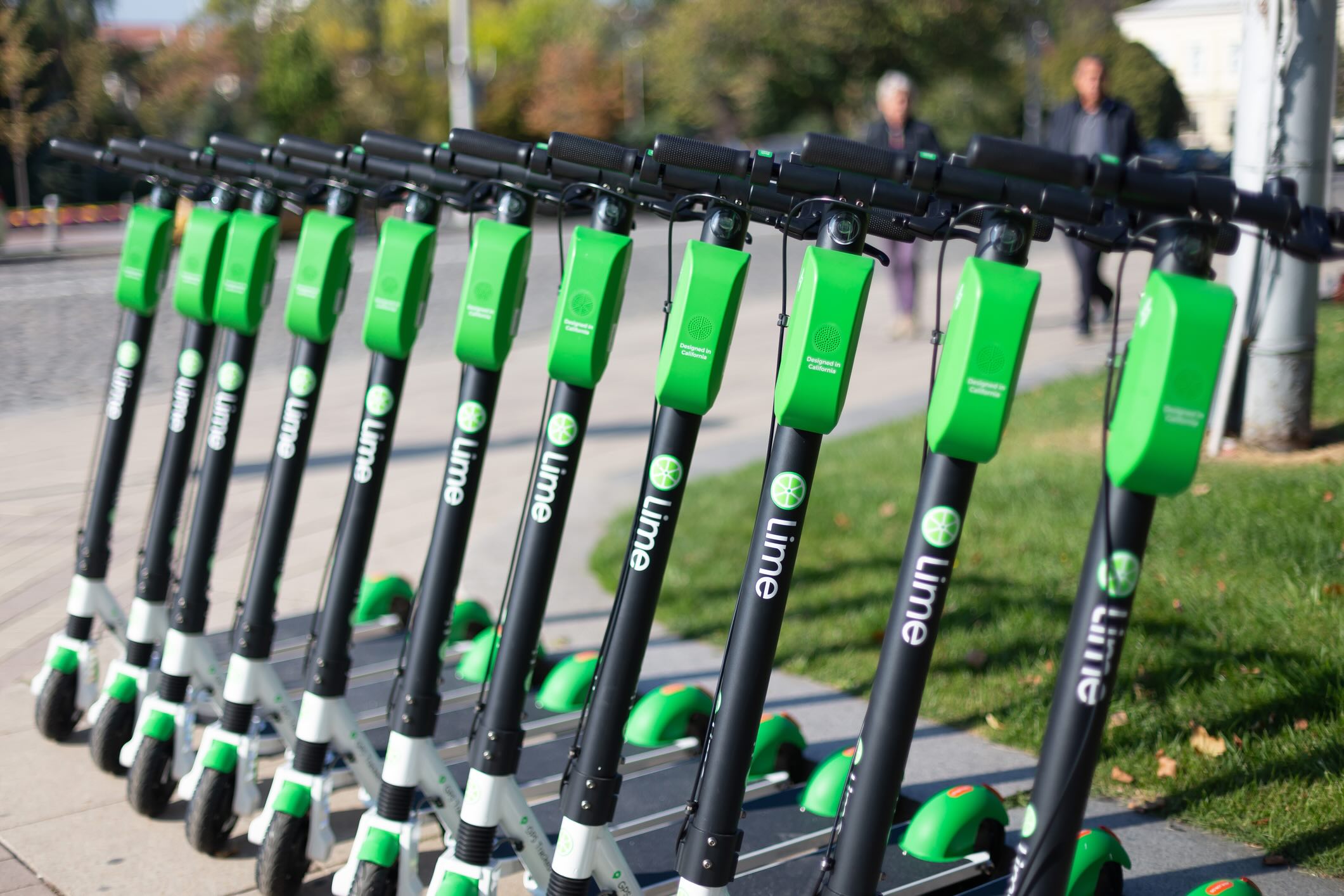
Italy Fines Bird, Dott & Lime Nearly €2.7 Million Over Rome Micromobility Commitments
.svg)

.svg)
.svg)
.svg)
Key Takeaways
- Operators Fined for Access Barriers: Italy's Competition Authority fined Bird, Dott, and Lime a combined total of nearly €2.7 million after finding they hindered eligible users from accessing free micromobility ride packages promised as part of Rome's public transport program.
- Administrative Failures Reduced Consumer Benefits: The Authority concluded the companies' inadequate procedures made the activation process unnecessarily burdensome, caused significant delays, and shortened the period during which consumers could use their free ride Passes.
- Bird Found to Have Engaged in Additional Unfair Practice: Beyond the issues affecting all three operators, Bird was found to have arbitrarily deactivated user accounts without informing users of the circumstances that could justify the action or giving them an opportunity to respond.
- Public Mobility Commitments Came Under Enforcement: Regulators determined the practices restricted access to a service intended to complement Rome's public transport system and promote the use of lower-emission transportation, reinforcing that commitments made during public procurement processes remain enforceable after contracts are awarded.
Deep Dive
When Rome awarded contracts to Bird, Dott, and Lime to operate shared e-bikes and e-scooters across the city, the companies promised something beyond simply making vehicles available. Holders of the annual Metrebus public transport pass would also receive packages of free rides, extending the reach of the city's transit network beyond the bus stop or train station. It was one of the commitments that helped secure the concession.
Italy's Competition Authority has now concluded that the promise survived on paper better than it did in practice. After investigations launched in November 2025, the Authority fined the three operators a combined total of nearly €2.7 million, finding they made it unnecessarily difficult for eligible commuters to obtain the free ride packages, known as Passes, that had been reserved for Metrebus cardholders.
The problem, according to the regulator, was less a single failure than an accumulation of them. Users seeking to activate their Passes encountered procedures the Authority described as poorly organized and inadequately managed. Requests took too long to process. The steps required to obtain the benefit became more burdensome than they should have been. Every delay mattered because the Passes were time-limited. A benefit that arrives late is not merely inconvenient; it is diminished. By the time many users received access, part of the period in which they were entitled to free rides had already disappeared.
That finding gives the decision a significance beyond delayed customer service. Rome's micromobility program was designed to extend the reach of public transportation rather than compete with it, allowing commuters to bridge the distance between train stations, bus stops, workplaces, and homes without adding another car to the road. The free ride packages were one of the mechanisms intended to encourage that shift. According to the Authority, the companies' practices instead restricted access to a service that was meant to make lower-emission travel easier to choose. Bird faced an additional sanction of its own.
The Authority found that the company also engaged in an unfair commercial practice by deactivating user accounts without first informing customers of the circumstances that could justify such a decision or giving them an opportunity to respond. For users, the effect was straightforward: access could disappear without warning or explanation, leaving them with little understanding of what had happened or how to challenge it.
There is an instinct in many digital businesses to treat friction as something users simply endure. A few extra steps in an application process. A longer wait for approval. An account suspended through an automated system that rarely explains itself. None of those moments appears particularly consequential when viewed alone. Collect enough of them together, however, and the promised service quietly becomes something fewer people can actually use.
That is ultimately what the Italian Competition Authority concluded had happened in Rome. The companies did not merely fall short of an operational target. They frustrated access to a public benefit they had undertaken to provide as part of securing the right to operate one of the city's transportation services. In doing so, the regulator found, they reduced access to a mobility network intended to complement public transit while encouraging the use of less-polluting forms of transport. The fines close the investigations, but they also serve as a reminder that when private companies win public concessions, the commitments made during the bidding process do not end once the contract is signed. They begin there.
The GRC Report is your premier destination for the latest in governance, risk, and compliance news. As your reliable source for comprehensive coverage, we ensure you stay informed and ready to navigate the dynamic landscape of GRC. Beyond being a news source, the GRC Report represents a thriving community of professionals who, like you, are dedicated to GRC excellence. Explore our insightful articles and breaking news, and actively participate in the conversation to enhance your GRC journey.
🔒
Continue reading with Access
Get full access to this analysis and everything else on GRC Report—enforcement databases, custom alerts, and market intelligence.
Get Access →
Already a member?
Sign In
Cancel anytime
Full archive access
Custom alerts
Sponsored by
