



 Access Login

Jul 25, 2024
Oct 6, 2026
Italy Opens Investigation Into Suno Over Unfair Consumer Terms
.svg)

.svg)
.svg)
.svg)
Key Takeaways
- Suno’s Terms Face Scrutiny: Italy’s Competition Authority is investigating whether Suno’s Terms of Service create an unfair imbalance between the company and consumers.
- Broad Company Powers Questioned: Regulators are examining provisions that appear to let Suno change prices and services or terminate accounts and associated content with little constraint.
- Copyright Terms Draw Attention: The authority says Suno’s broadly framed license requirements may be insufficiently defined and that its waiver of moral rights appears contrary to Italian copyright law.
- Dispute Rules Under Review: Suno’s terms appear to require binding individual arbitration in the U.S., waive class actions and establish Massachusetts as the exclusive jurisdiction.
Deep Dive
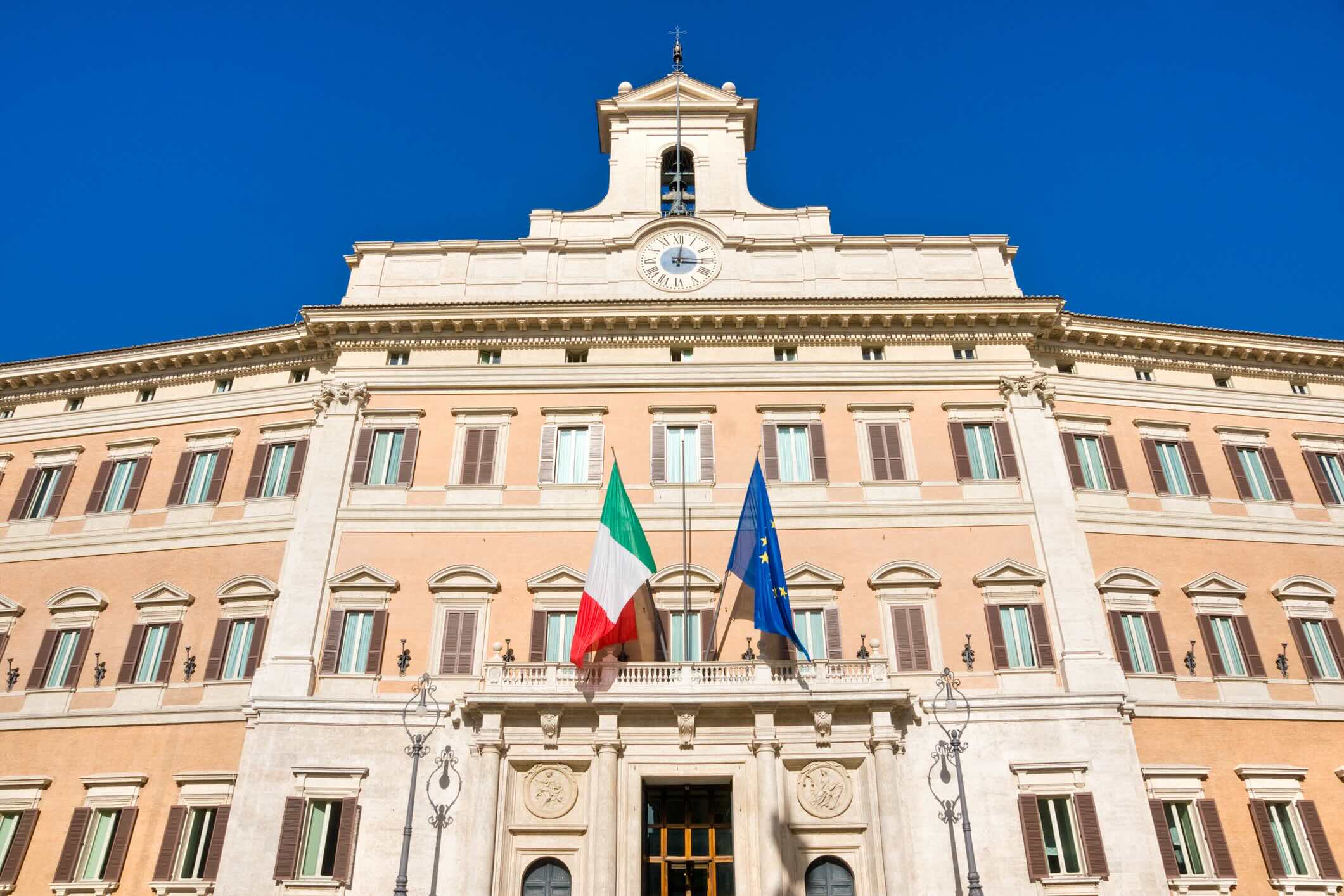
Italy’s competition authority has opened an investigation into Suno, putting the generative AI music company’s Terms of Service under scrutiny over provisions that appear to give the company considerable freedom over its users while sharply limiting what those users can do in return.
The Italian Competition Authority, or AGCM, said the terms may be unfair under Article 33 of the country’s Consumer Code because they could create a significant imbalance in the rights and obligations of Suno and its consumers. The proceedings concern the U.S. company behind Suno, whose generative AI services allow users to create music.
According to the authority, Suno’s Terms of Service appear to give the company broad discretion to change the contract, alter the service and raise or otherwise modify subscription prices without having to provide a justification. The same terms appear to permit Suno to suspend, discontinue or terminate user accounts, together with the content associated with them, at any time, for any reason and without prior notice.
For a service built around creation, that last point carries particular weight. A user is not simply paying for access to a piece of software. The account may also be where the product of that access resides. The authority is now examining contractual language that appears to leave control over both in the company’s hands.
The AGCM also raised questions about whether consumers can know the full extent of what they are accepting before they accept it. Suno’s terms appear to require users to consent to additional terms that they cannot directly access before entering into the contract. Other provisions appear to limit the company’s liability in broad and generic language, including liability related to personal injury.
There is also copyright, an unusually consequential part of the bargain for a company whose customers come to it to make music. The license Suno requires consumers to grant as a condition of using the platform appears, in the authority’s assessment, to be insufficiently defined. The AGCM described the language as generic and all-encompassing. It also pointed to a waiver of moral rights that it said is contrary to Articles 20 and following of Italy’s Copyright Law, Law No. 633 of 1941.
The terms governing disputes are under scrutiny as well. According to the AGCM, consumers appear to be required to pursue claims through binding individual arbitration administered in the United States, subject to tight deadlines, while also waiving the ability to participate in class actions. The terms additionally appear to establish the Commonwealth of Massachusetts as the exclusive jurisdiction.
Those provisions put considerable distance between a grievance and the place where the contract says it must be resolved. Whether that arrangement, together with the other provisions identified by the authority, crosses the line into unfairness is now the question before the regulator. The opening of the investigation is not a finding that Suno has violated Italian consumer law. It begins the process through which the AGCM will examine the terms and determine whether they create the kind of significant contractual imbalance prohibited by the Consumer Code.
Under Article 7(1) of the regulation governing investigations into consumer protection and misleading and comparative advertising, adopted by AGCM Decision No. 31356 on Nov. 5, 2024, the authority said it will open a public consultation on the terms under investigation in a dedicated section of its website in the coming weeks.
Nationally representative trade associations and chambers of commerce, or their associations, may participate where the contractual terms affect them and they have relevant experience in the sector. Consumer associations that are nationally representative and recognized under Article 137 of the Consumer Code will also be able to take part.
The GRC Report is your premier destination for the latest in governance, risk, and compliance news. As your reliable source for comprehensive coverage, we ensure you stay informed and ready to navigate the dynamic landscape of GRC. Beyond being a news source, the GRC Report represents a thriving community of professionals who, like you, are dedicated to GRC excellence. Explore our insightful articles and breaking news, and actively participate in the conversation to enhance your GRC journey.
🔒
Continue reading with Access
Get full access to this analysis and everything else on GRC Report—enforcement databases, custom alerts, and market intelligence.
Get Access →
Already a member?
Sign In
Cancel anytime
Full archive access
Custom alerts
Sponsored by
