



 Access Login

Jan 10, 2025
Feb 17, 2026
Mobil Ordered to Pay $10.4 Million Over Misleading Fuel Claims in Queensland
.svg)

.svg)
.svg)
.svg)
Key Takeaways
- $10.4 Million (AUD 16 Million) Penalty: The Federal Court ordered Mobil Oil Australia to pay $10.4 million (AUD 16 million) for misleading representations about fuel sold at nine Queensland petrol stations.
- False Premium Fuel Claims: Between August 2020 and July 2024, customers were told they were purchasing “Mobil Synergy Fuel” with performance-enhancing additives, when the fuel supplied was the same or substantially the same as unadditized fuel.
- Signage and Branding Misled Consumers: Promotional statements about engine protection and additive benefits were displayed at affected sites despite the advertised fuel not being supplied.
- Regulatory Enforcement by ACCC: The Australian Competition and Consumer Commission brought the case, emphasizing that consumers rely heavily on retailer representations for essential goods like petrol.
- Corrective Measures Ordered: In addition to the penalty, Mobil must publish corrective notices, implement a consumer law compliance program, and contribute to the ACCC’s costs.
Deep Dive
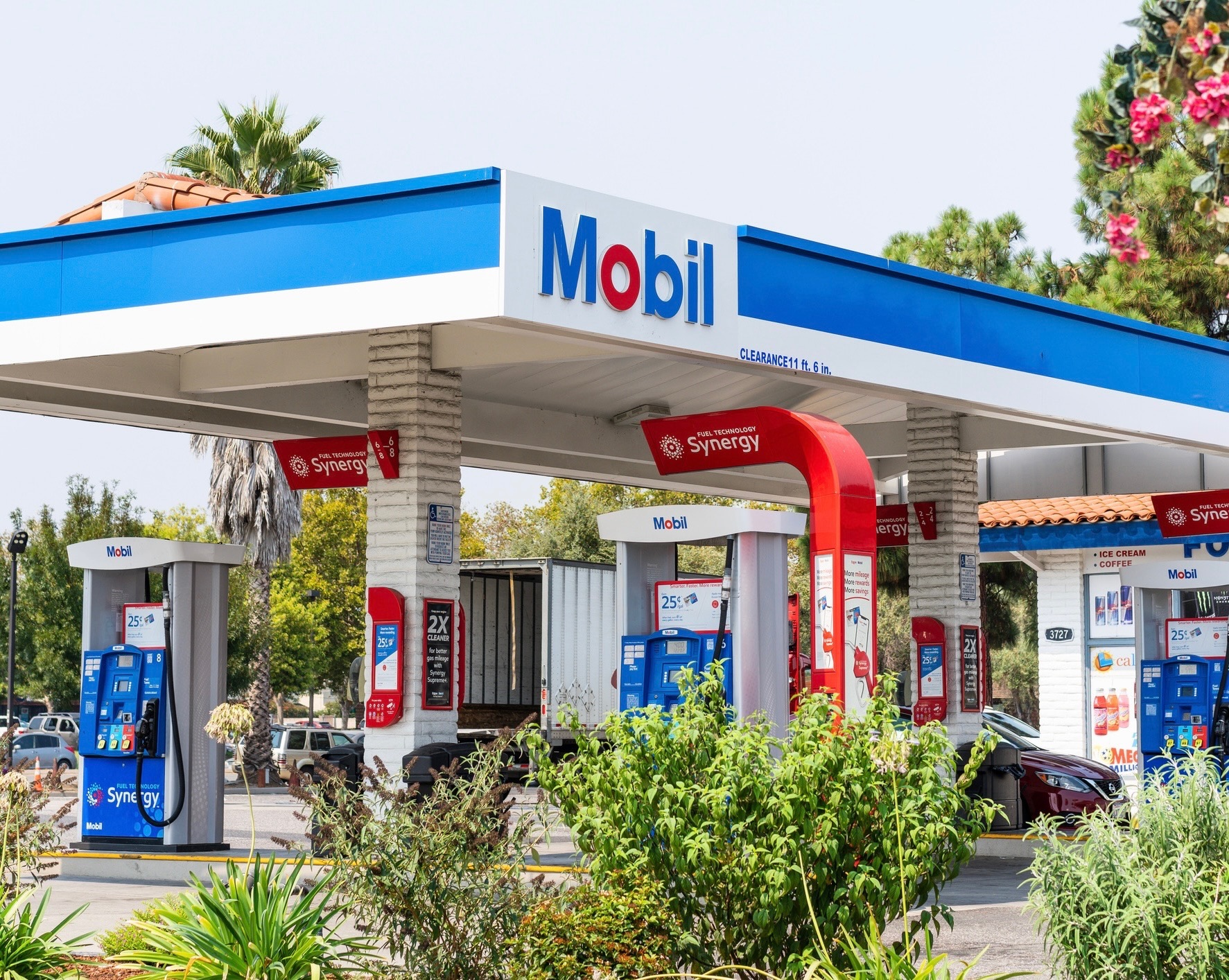
For nearly four years, motorists pulling into nine Mobil-branded petrol stations across north and central Queensland were told they were filling up with “Mobil Synergy Fuel”, a product marketed as containing additives designed to protect engines and improve performance. They weren’t. Recently, an Australian Federal Court ordered Mobil Oil Australia to pay $10.4 million (AUD 16 million) in penalties after finding the company had made false or misleading representations about the fuel sold at those sites, in breach of the Australian Consumer Law.
Mobil admitted that, for varying periods between August 2020 and July 2024, the fuel supplied at the nine locations was not Mobil Synergy Fuel. Instead, customers were sold fuel that was the same or substantially the same as unadditized fuel available at other non-Mobil retail outlets.
Branding and promotional materials at the affected petrol stations promoted the benefits of Mobil Synergy Fuel, including claims such as, “Protect your engine from the first fill”
Some signage also drew comparisons between Mobil Synergy Fuel and unadditised fuel, reinforcing the impression that motorists were buying a premium product with tangible mechanical benefits.
But according to the Court’s findings, and Mobil’s own admissions, that additive-enhanced fuel was not being supplied at those nine sites.
An Essential Purchase, Built on Trust
The case was brought by the Australian Competition and Consumer Commission.
“Petrol is an essential good for most households, and there is no way of knowing what you’re putting in your tank other than relying on the signage provided by the retailer,” ACCC Deputy Chair Mick Keogh said.
“We considered it very likely that some people chose to fill up at these petrol stations because they thought they were getting a different quality of petrol with particular benefits for their car engine.”
“The Mobil Synergy Fuel and Synergy technology signage at the affected sites was a total falsehood, as this petrol wasn’t supplied to these sites,” he added.
The regulator’s point is straightforward. Unlike groceries or consumer electronics, fuel is invisible once it enters the tank. Consumers have little choice but to rely on branding and representations at the pump.
Where the Conduct Occurred
The misleading representations occurred at Mobil-branded petrol stations in the Queensland towns and suburbs of Aitkenvale, Barcaldine, Berserker, Biloela, Guthalungra, Proserpine, Rasmussen, Rural View and Yeppoon.
The conduct spanned varying periods between August 2020 and July 2024.
In addition to the $10.4 million (AUD 16 million) penalty, the Federal Court made declarations and ordered Mobil to:
- Publish corrective notices
- Implement a consumer law compliance program
- Contribute to the ACCC’s legal costs
Mobil cooperated with the ACCC during the investigation, admitted liability, and agreed to make joint submissions with the regulator to the Court on the proposed orders, including the penalty.
The ruling serves as a clear reminder that in essential consumer markets, particularly where product differences are not visible to buyers, marketing claims must align precisely with what is actually delivered. In this case, the Court found they did not.
The GRC Report is your premier destination for the latest in governance, risk, and compliance news. As your reliable source for comprehensive coverage, we ensure you stay informed and ready to navigate the dynamic landscape of GRC. Beyond being a news source, the GRC Report represents a thriving community of professionals who, like you, are dedicated to GRC excellence. Explore our insightful articles and breaking news, and actively participate in the conversation to enhance your GRC journey.
🔒
Continue reading with Access
Get full access to this analysis and everything else on GRC Report—enforcement databases, custom alerts, and market intelligence.
Get Access →
Already a member?
Sign In
Cancel anytime
Full archive access
Custom alerts
Sponsored by
