


Jul 31, 2024
May 19, 2026
OFAC Hits Adani Enterprises With $275 Million Iran Sanctions Settlement
.svg)

.svg)
.svg)
.svg)
Key Takeaways
- Massive OFAC Settlement: Adani Enterprises agreed to pay $275 million to settle allegations tied to 32 apparent violations of U.S. sanctions on Iran connected to LPG imports routed through a Dubai-based supplier.
- Red Flags Allegedly Ignored: OFAC said suspicious vessel activity, implausible shipping logistics, questionable documentation, and unusually discounted pricing should have prompted deeper scrutiny into the cargoes’ true origin.
- USD Payments Triggered U.S. Jurisdiction: U.S. financial institutions processed approximately $192.1 million in dollar-denominated payments tied to the shipments, bringing the transactions within OFAC’s enforcement reach.
- Compliance Expectations Are Expanding: The case underscores that sanctions compliance now extends far beyond sanctions list screening and increasingly requires companies to identify behavioral and maritime risk indicators tied to sanctions evasion.
- Cooperation Reduced Potential Exposure: Although OFAC classified the matter as egregious and not voluntarily self-disclosed, the agency credited Adani for extensive cooperation and significant remedial compliance measures following discovery of the conduct.
Deep Dive
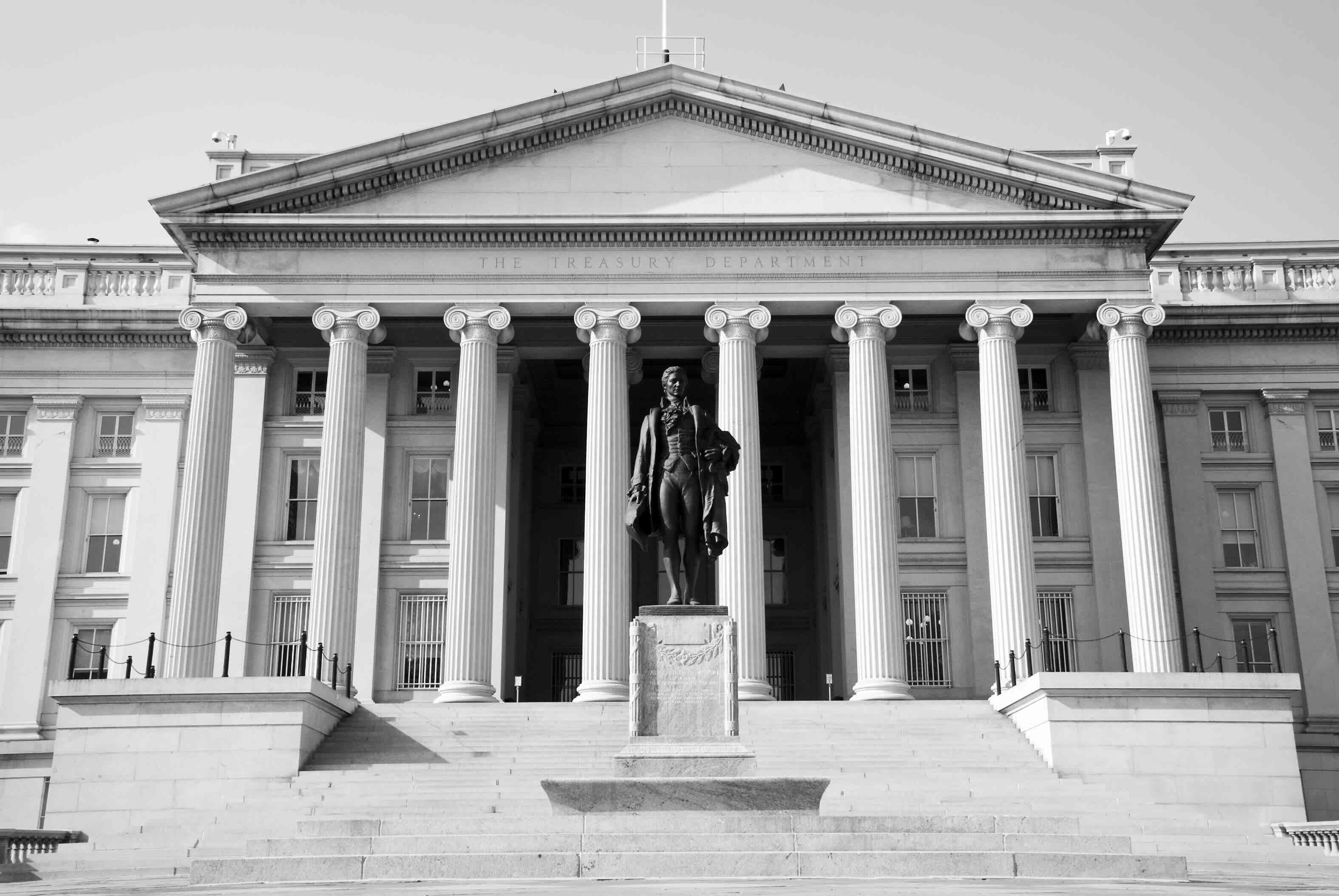
The U.S. Department of the Treasury’s Office of Foreign Assets Control announced this week that Adani Enterprises Limited agreed to pay $275 million to settle allegations tied to 32 apparent violations of U.S. sanctions on Iran after importing liquified petroleum gas that American authorities say actually originated there.
According to OFAC, the Ahmedabad-based conglomerate purchased LPG shipments between November 2023 and June 2025 through a Dubai-based supplier that presented the cargo as originating from Oman and Iraq. U.S. authorities say the operation was, in practice, a sanctions evasion pipeline moving Iranian product into the Indian market while routing payments through the U.S. financial system.
Thirty-two U.S. dollar-denominated payments totaling roughly $192.1 million were processed by U.S. financial institutions during that period, according to the settlement.
OFAC called the case “egregious.” It also made clear this was not a voluntary self-disclosure.
The government’s narrative is less about one smoking gun than a growing pile of things that allegedly stopped making sense long before the imports stopped. One shipment, for example, was documented as fully refrigerated propane loaded in Sohar, Oman. The problem, according to OFAC, was that Sohar did not have the infrastructure at the time to export fully refrigerated LPG cargoes.
Then there were the vessels themselves. Regulators say ships involved in the transactions engaged in behavior long associated with sanctions evasion operations. AIS manipulation. Dark periods at sea. Frequent ownership and flag changes. Illogical routing patterns. Tankers behaving less like commercial assets and more like people trying not to be followed.
And the pricing. OFAC returns to the pricing repeatedly because it appears to have genuinely irritated them. Iranian LPG trades at a discount for obvious reasons. Buyers willing to assume the sanctions risk can access cheaper supply. OFAC argues the prices offered to Adani were sufficiently below market rates that the company should have understood something was wrong, especially given the claimed origin points and expected freight costs.
That phrase appears several times throughout the enforcement release in different forms: should have known. Not necessarily knew. Not necessarily intended to violate sanctions. But should have known.
That distinction matters in sanctions enforcement because modern compliance expectations no longer stop at checking whether a company’s counterparty appears on a sanctions list. OFAC’s position, increasingly, is that companies operating in high-risk markets are expected to understand how sanctions evasion actually works in practice. If the vessel movements look strange, if the paperwork feels off, if the economics make no commercial sense, regulators expect companies to pull harder on the thread.
Adani, according to OFAC, did not. The company conducted Know Your Customer reviews and screened counterparties against the Specially Designated Nationals list. OFAC acknowledged that none of the counterparties involved in the shipments were sanctioned at the time and that the documents provided to Adani did not explicitly identify the LPG as Iranian-origin cargo.
But OFAC says the company relied too heavily on face-value documentation while overlooking a broader pattern of warning signs. At one point, according to the agency, a bank halted payment tied to one shipment over internal concerns related to the cargo’s origin. Additional documents were later provided and the payment proceeded.
The Treasury release occasionally reads less like an enforcement action and more like accumulated exasperation. At one point, OFAC essentially invokes the oldest rule in commerce i.e., if a deal looks too good to be true, it probably is.
That line lands because the broader case arrives at an awkward moment for global energy markets and multinational compliance teams alike. Maritime sanctions enforcement has evolved into something far more complicated than screening names against static databases. The tradecraft has evolved. Regulators expect compliance programs to evolve with it.
Shadow fleets now operate through layers of intermediaries, shell ownership structures, document manipulation, spoofed vessel signals, and jurisdictional ambiguity. Cargoes move through ports known for transshipment activity. Suppliers rotate affiliated entities. Ships disappear electronically and reappear somewhere else. A certificate of origin becomes less a statement of fact than a starting point for verification.
And OFAC clearly wants companies to understand that plausible deniability is becoming a less persuasive defense.
Adani suspended LPG imports after allegations surrounding the shipments became public in June 2025 and hired U.S.-based counsel to conduct an internal investigation. OFAC credited the company for substantial cooperation afterward, including producing documents, answering agency questions, and implementing significant compliance enhancements.
Those enhancements included adopting a more robust sanctions compliance framework, introducing maritime intelligence technology, and expanding sanctions-related diligence across the broader corporate group.
That cooperation likely helped reduce the financial damage. OFAC said the statutory maximum penalty exceeded $384 million before the settlement was reached.
Still, $275 million is not the kind of number that quietly disappears into quarterly reporting language. Neither is the reputational weight that comes with an OFAC enforcement action built around the idea that a sophisticated global company saw too many warning signs and kept buying anyway.
The GRC Report is your premier destination for the latest in governance, risk, and compliance news. As your reliable source for comprehensive coverage, we ensure you stay informed and ready to navigate the dynamic landscape of GRC. Beyond being a news source, the GRC Report represents a thriving community of professionals who, like you, are dedicated to GRC excellence. Explore our insightful articles and breaking news, and actively participate in the conversation to enhance your GRC journey.
🔒
Continue reading with Access
Get full access to this analysis and everything else on GRC Report—enforcement databases, custom alerts, and market intelligence.
Get Access →
Already a member?
Sign In
Cancel anytime
Full archive access
Custom alerts
Sponsored by
