


Oct 18, 2023
Feb 2, 2026
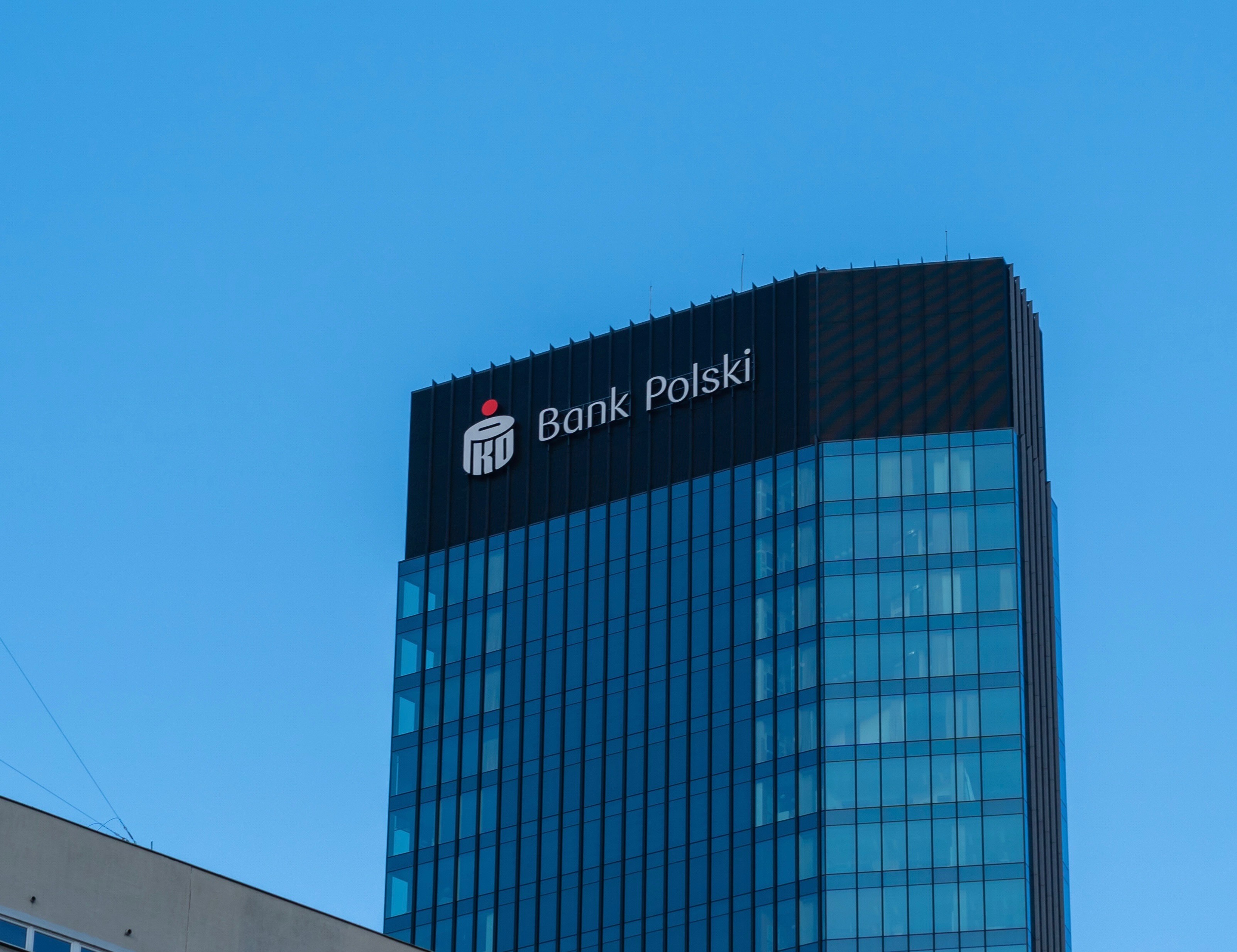
Poland’s Consumer Watchdog Slaps PKO Bank Polski With Nearly $20 Million Fine Over Interest Rate Practices
.svg)

.svg)
.svg)
.svg)
Key Takeaways
- Interest Rate Discretion Curbed: Poland’s consumer watchdog ruled that PKO BP’s loan clauses gave the bank excessive freedom to change interest rates without clear, verifiable criteria for borrowers.
- Nearly $20 Million Penalty: The bank was fined $19.9 million (PLN 79,291,800), reflecting the long-running nature of the practice and the bank’s failure to discontinue it during proceedings.
- Immediate Consumer Impact: Once final, the unlawful clauses will be legally ineffective and non-binding, without consumers needing separate court rulings.
- Mandatory Customer Notifications: PKO BP must individually inform affected borrowers and publicly disclose the decision across its website and social media channels.
- Precedent for Consumer Claims: The decision may strengthen borrowers’ ability to pursue individual claims related to interest rate changes applied under the disputed clauses.
Deep Dive
Poland’s consumer protection authority has fined PKO Bank Polski nearly $19.9 million (PLN 79,291,800) after concluding that the bank used contract language that gave it sweeping control over changes to consumer loan interest rates, with little clarity for borrowers on when or why costs could increase. The nearly $19.9 million (PLN 79,291,800) fine reflects both the duration of the practice and the scale of the bank’s consumer business, according to the regulator.
The ruling, announced on January 30, 2026, follows an investigation by the Office of Competition and Consumer Protection (UOKiK) into addenda used for overdraft credit agreements. At the center of the case were clauses that allowed PKO BP to adjust interest rates unilaterally, without clearly defined criteria that consumers could verify or predict.
According to UOKiK, that imbalance placed consumers at a disadvantage by making the financial consequences of their contracts effectively unknowable at the time they agreed to them.
Broad Discretion, Little Predictability
While banks are permitted to include mechanisms allowing interest rates to change over time, regulators said those mechanisms must be precise enough for consumers to understand how and when adjustments may occur.
In PKO BP’s case, UOKiK found that the clauses failed to spell out the specific factors that would trigger interest rate changes or explain how those factors would be assessed. The provisions did not set out measurable benchmarks or clarify how different economic indicators would be weighted, leaving consumers unable to assess the legitimacy or scope of any increase.
UOKiK President Tomasz Chróstny said the issue was not the existence of interest rate adjustment clauses themselves, but the lack of transparency surrounding their operation.
“As the stronger party in a contract with a consumer, the bank should act professionally and transparently,” Chróstny said, adding that borrowers must be able to understand how changes to loan costs are determined.
Legal Consequences Beyond the Fine
Once the decision becomes final, the clauses identified as unlawful will no longer bind consumers. Under Polish law, provisions deemed abusive are ineffective automatically, meaning borrowers do not need to obtain separate court rulings to invalidate them.
That finding could also carry weight in individual disputes involving interest rate changes applied under the clauses, as courts are bound by UOKiK’s assessment of their unlawfulness.
In addition to the financial penalty, PKO BP has been ordered to notify all affected customers directly within one month of the decision becoming final. Notifications will be sent via SMS and email, or by SMS and registered letter where email addresses are unavailable. The bank must also publish notices on its website for four months and on its Facebook and Instagram accounts for three months.
UOKiK said the disputed contract language had been in use since December 15, 2018. During the proceedings, the authority found that PKO BP did not take steps to stop using the clauses, a factor that weighed into the size of the penalty.
The GRC Report is your premier destination for the latest in governance, risk, and compliance news. As your reliable source for comprehensive coverage, we ensure you stay informed and ready to navigate the dynamic landscape of GRC. Beyond being a news source, the GRC Report represents a thriving community of professionals who, like you, are dedicated to GRC excellence. Explore our insightful articles and breaking news, and actively participate in the conversation to enhance your GRC journey.
🔒
Continue reading with Access
Get full access to this analysis and everything else on GRC Report—enforcement databases, custom alerts, and market intelligence.
Get Access →
Already a member?
Sign In
Cancel anytime
Full archive access
Custom alerts
Sponsored by
