



 Access Login

May 14, 2026
Feb 23, 2026
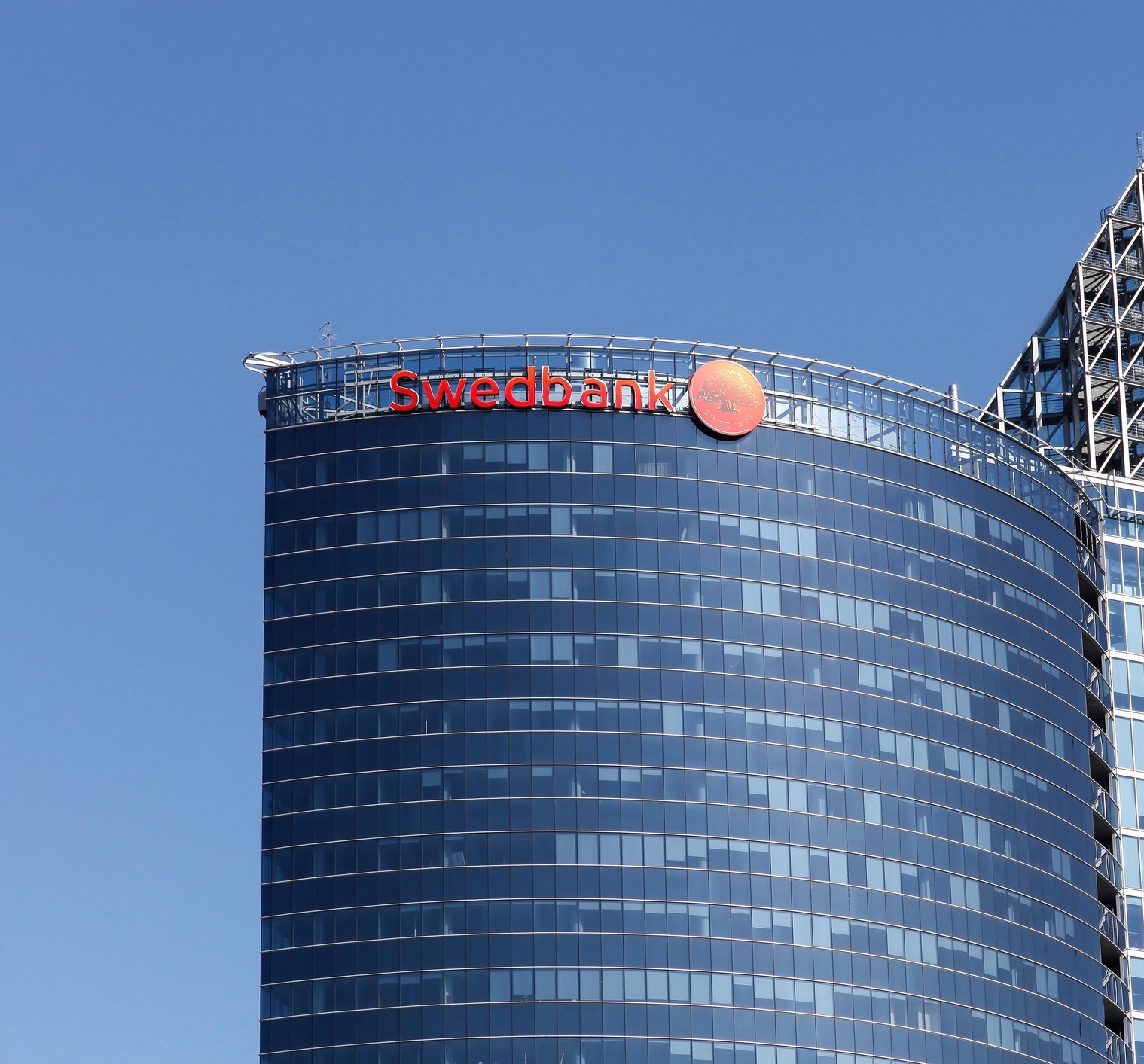
Swedbank Faces Regulatory Review Over Customer Due Diligence Controls
.svg)

.svg)
.svg)
.svg)
Key Takeaways
- AML Compliance Under Review: Sweden’s Financial Supervisory Authority has opened an investigation into Swedbank’s compliance with money laundering regulations.
- Customer Due Diligence in Focus: The review centers on whether the bank met requirements related to customer identification, risk assessment, and monitoring.
- Defined Review Period: The investigation covers December 1, 2023 through November 30, 2025.
- Financial Crime a 2026 Priority: Anti-money laundering and counter-terrorist financing supervision remains a central focus for the authority this year.
- Investigation Ongoing: No findings or enforcement actions have been announced at this stage.
Deep Dive
Sweden’s financial watchdog has opened a fresh investigation into Swedbank, this time zeroing in on whether the bank has complied with money laundering regulations, and, more specifically, whether it has done enough to truly know its customers.
The review, announced on February 20, 2026, will examine the bank’s customer due diligence measures over a two-year period from December 1, 2023 to November 30, 2025. At its core, the investigation will assess whether Swedbank met the legal requirements designed to prevent the financial system from being used to launder criminal proceeds or finance terrorism.
The move comes as anti-money laundering supervision remains a top priority for Sweden’s Financial Supervisory Authority in 2026. The regulator has made clear that the financial sector sits on the front lines of the fight against financial crime.
“Financial crime is an international problem that threatens both society and the financial system. Having good knowledge of your customers is a prerequisite for being able to counteract the risks of money laundering and terrorist financing that may exist in the business,” said Petra Bonderud, Head of Risk Analysis, Money Laundering Supervision at the Swedish Financial Supervisory Authority.
Customer due diligence is more than a procedural box-ticking exercise. It requires banks to identify customers, understand the nature of their activities, assess risk levels, and monitor transactions for unusual or suspicious behavior. Regulators increasingly view these controls as foundational (not optional) in maintaining the integrity of the financial system.
The authority has not suggested that any breaches have occurred, nor has it indicated potential outcomes. The investigation is ongoing and will determine whether Swedbank’s controls during the specified period were sufficient under existing money laundering regulations.
The scrutiny also reflects a broader supervisory climate in which regulators across Europe continue to sharpen their focus on anti-money laundering frameworks, internal controls, and governance structures within large financial institutions.
The GRC Report is your premier destination for the latest in governance, risk, and compliance news. As your reliable source for comprehensive coverage, we ensure you stay informed and ready to navigate the dynamic landscape of GRC. Beyond being a news source, the GRC Report represents a thriving community of professionals who, like you, are dedicated to GRC excellence. Explore our insightful articles and breaking news, and actively participate in the conversation to enhance your GRC journey.
🔒
Continue reading with Access
Get full access to this analysis and everything else on GRC Report—enforcement databases, custom alerts, and market intelligence.
Get Access →
Already a member?
Sign In
Cancel anytime
Full archive access
Custom alerts
Sponsored by
