


Sep 29, 2023
Sep 25, 2026
U.S. Seeks to Enter X’s Fight Against EU’s €120 Million DSA Fine
.svg)

.svg)
.svg)
.svg)
Key Takeaways
- U.S. Seeks Role in X’s DSA Challenge: The United States has applied to intervene in two General Court cases seeking to annul the European Commission’s December 2025 enforcement decision against X and Elon Musk.
- €120 Million Fine at Stake: The Commission fined X €120 million over DSA violations involving its blue checkmark, advertising repository and researcher access to public data.
- Washington Questions EU Regulatory Reach: The Justice Department argues that the Commission’s approach raises concerns about extraterritorial jurisdiction, corporate separateness and extending scrutiny to Musk and other U.S. entities under his ownership.
- First DSA Enforcement Challenge: According to the Justice Department, the cases are the first challenge to a DSA enforcement action to reach the EU’s General Court.
- Potential Implications Beyond X: The United States says the Commission’s approach could affect other digital services operating in the EU whose parent companies are based in the United States.
Deep Dive
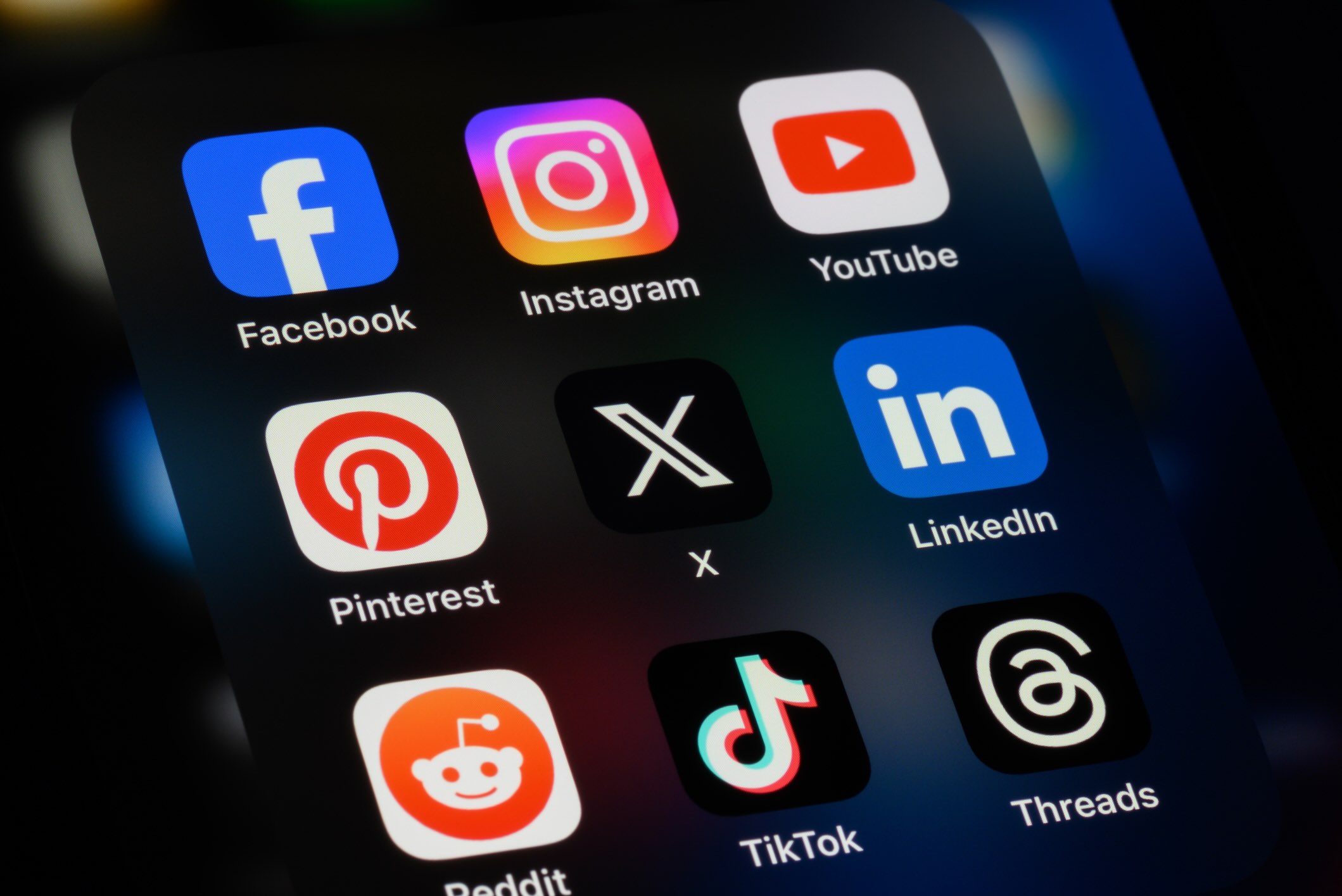
The United States has asked an EU court for a place in the legal fight over the European Commission’s €120 million fine against X, arguing that the case reaches beyond one social media platform and into the limits of European authority over American companies and their owners.
The Justice Department filed an application to intervene before the General Court of the Court of Justice of the European Union in Luxembourg, it announced Thursday. The United States wants to support challenges brought in X Internet and X Holdings v. Commission, Case T-114/26, and Musk v. Commission, Case T-121/26, seeking to annul the Commission’s Dec. 5, 2025, decision under the Digital Services Act.
That decision was the Commission’s first finding of non-compliance under the DSA. It imposed €120 million in fines over three violations involving X’s blue checkmark, its advertising repository and access to public data for researchers. The Commission found that allowing users to pay for a blue checkmark without what it considered meaningful verification amounted to deceptive design. It separately found that X’s advertising repository lacked required information and imposed access barriers, while its rules and processes unnecessarily restricted researchers seeking public data.
The United States is now challenging something larger than those findings. Its intervention application takes aim at the Commission’s approach to who can be caught within the reach of a DSA enforcement action when the company providing the service sits inside a wider corporate structure. According to the Justice Department, the €120 million penalty was imposed jointly and severally and involved the worldwide annual turnover of what the Commission regarded as the single economic unit ultimately controlled by Elon Musk or X Holdings Corp.
The Justice Department argues that the Commission stretched its regulatory authority beyond companies operating within its jurisdiction and raised questions about established limits on extraterritorial jurisdiction. Assistant Attorney General Brett A. Shumate accused the Commission of “regulatory overreach” against American companies, language that makes clear the intervention is not being presented by the U.S. government as a narrow disagreement over the calculation of one fine.
The European Commission has described the calculation differently in subsequent public statements. In a February 2026 response to the European Parliament, it said turnover was not the starting point for calculating the penalties. Rather, it considered the nature, gravity, recurrence and duration of the infringements, along with aggravating and mitigating factors. Worldwide annual turnover was used to ensure that the fines remained below the DSA’s statutory maximum of 6% of the provider’s annual worldwide turnover.
The Justice Department said it has “significant concerns” about how the Commission determines the provider of a digital service when assigning liability under the DSA. It also questioned whether the Commission’s approach can be reconciled with what the United States describes as the corporate veil principle, under which shareholders are generally treated as legally distinct from the companies they own.
Musk’s position in the proceedings gives that argument its sharpest edge. The Justice Department says the Commission’s approach extended scrutiny to Musk personally and implicated other American companies under his ownership even though, according to the U.S. government, those companies had no connection to the digital services involved in the enforcement action. Those are assertions advanced by the United States in seeking intervention, not findings made by the General Court.
The Justice Department prepared the application in coordination with the State Department, an indication of how Washington has chosen to frame the dispute. The government said its interest extends to protecting U.S. companies from what it considers foreign extraterritorial enforcement and to the consequences the case may carry for relations between the United States and European Union.
There is a procedural hurdle before those arguments can be heard in the case. The United States has applied to intervene. Its participation is not automatic. Article 40 of the Statute of the Court of Justice of the European Union permits a state, person or legal entity to intervene when it can establish an interest in the outcome of the dispute, and Washington is seeking admission on that basis.
The underlying litigation is itself new ground. According to the Justice Department, these cases mark the first challenge to a DSA enforcement action to reach the General Court. The Commission’s December decision was also its first DSA non-compliance decision, giving the court an early opportunity to consider how an enforcement regime built for the largest digital platforms operates once its decisions leave Brussels and enter a courtroom.
Washington has made clear that it is watching that question with other companies in mind. Many of the platforms subject to the DSA’s strictest requirements are ultimately headquartered in the United States. X itself remains designated by the Commission as a very large online platform under the law.
The GRC Report is your premier destination for the latest in governance, risk, and compliance news. As your reliable source for comprehensive coverage, we ensure you stay informed and ready to navigate the dynamic landscape of GRC. Beyond being a news source, the GRC Report represents a thriving community of professionals who, like you, are dedicated to GRC excellence. Explore our insightful articles and breaking news, and actively participate in the conversation to enhance your GRC journey.
🔒
Continue reading with Access
Get full access to this analysis and everything else on GRC Report—enforcement databases, custom alerts, and market intelligence.
Get Access →
Already a member?
Sign In
Cancel anytime
Full archive access
Custom alerts
Sponsored by
