


Sep 14, 2023
May 6, 2026
DISH Wireless to Pay More Than $17 Million Over Alleged Abuse of FCC Broadband Aid Programs
.svg)

.svg)
.svg)
.svg)
Key Takeaways
- DISH Wireless Settlement: DISH Wireless agreed to pay more than $17.2 million to resolve allegations tied to improper enrollments in the FCC’s Emergency Broadband Benefit Program and Affordable Connectivity Program.
- Ineligible Enrollments Alleged: Federal authorities alleged the company enrolled thousands of ineligible households and received government subsidy payments it was not entitled to collect.
- Oversight and Training Failures: Investigators claimed DISH failed to implement effective eligibility controls and inadequately supervised and trained third-party sales agents involved in enrollments.
- False Application Information: The government alleged DISH employees and outside agents submitted inaccurate school information and other false or incomplete data to support customer eligibility applications.
Deep Dive
At the height of the pandemic, federal broadband subsidy programs became a lifeline for millions of Americans struggling to stay connected for work, school, healthcare, and daily life. Now, years later, one of the wireless companies that participated in those programs is facing a multimillion-dollar reckoning over how some of those enrollments were handled.
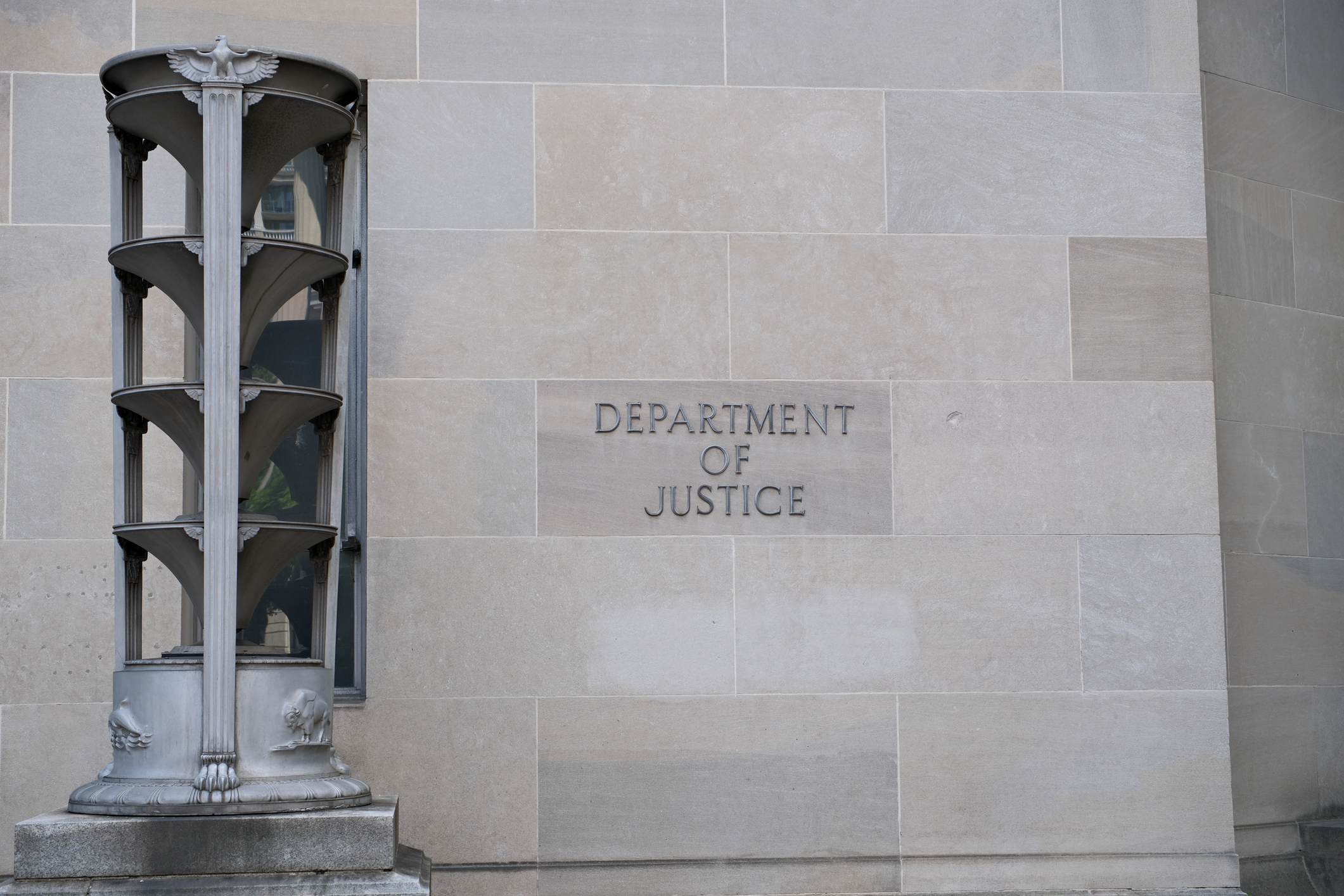
DISH Wireless has agreed to pay more than $17.2 million to resolve allegations that it improperly received federal funds through the Federal Communications Commission’s Emergency Broadband Benefit Program and its successor, the Affordable Connectivity Program, according to the U.S. Department of Justice.
Federal authorities alleged the company enrolled ineligible consumers into the programs, failed to maintain adequate oversight of third-party sales agents, and continued pursuing government subsidy payments even after internal concerns about enrollment practices surfaced.
“The Justice Department will take action where companies and individuals knowingly violate the rules of federal programs and receive federal funds to which they are not entitled,” Assistant Attorney General Brett A. Shumate said in a statement announcing the settlement.
The case centers on two major federal connectivity initiatives launched during and after the COVID-19 crisis. Congress established the Emergency Broadband Benefit Program in 2021 as part of the Consolidated Appropriations Act, setting aside roughly $3.2 billion to help low-income households pay for internet access and connected devices. The Affordable Connectivity Program followed with an additional $14 billion in funding between 2022 and 2024.
Consumers could qualify through income thresholds or participation in programs such as Medicaid, SNAP, Supplemental Security Income, or the National School Lunch Program. One eligibility pathway involved students attending high-poverty schools participating in the Community Eligibility Provision program, commonly referred to as CEP schools.
According to the government, DISH relied heavily on that pathway.
The company, a subsidiary of EchoStar Corporation that provides wireless services through Boost Mobile, enrolled more than 130,000 subscribers into the broadband assistance programs between May 2021 and February 2022 based on purported CEP school eligibility. For those enrollments, DISH received subsidies of up to $50 per month under the Emergency Broadband Benefit Program and $30 per month under the Affordable Connectivity Program.
But investigators alleged many of those enrollments should never have been approved.
According to the Justice Department, DISH submitted claims for subscribers who did not qualify for the programs and failed to implement effective controls to verify eligibility. Authorities alleged the company did not properly screen, train, or supervise third-party sales agents and failed to ensure those agents were appropriately registered in the Universal Service Administrative Company’s Representative Accountability Database.
Federal officials also alleged that internal DISH sales employees in Texas, Florida, New York, and West Virginia trained and directed third-party sales agents to submit inaccurate customer applications using incorrect school information. Those applications were then submitted to the FCC’s National Verifier system used to determine eligibility for the federal programs.
The government alleged that more than 16,000 households were enrolled based on purported attendance at CEP schools located more than 25 miles away from household addresses without verified school attendance. Investigators also alleged DISH enrolled 130 households using purported dependents over the age of 21 and, in some cases, enrolled more households through certain CEP schools than the schools themselves had enrolled students.
Authorities further alleged the company submitted claims involving more than 66,000 subscribers whose applications did not identify a school-aged student and enrolled more than 2,400 subscribers using duplicate beneficiaries as the basis for eligibility.
Federal officials said the problems did not end once concerns were identified internally.
According to the government, DISH executives learned about issues tied to the company’s CEP enrollments by September 2021 but failed to take corrective action for months afterward. FCC Inspector General Fara Damelin said the company continued seeking program funds even after an advisory warning from the FCC Office of Inspector General.
“DISH and its employees fraudulently signed up ineligible applicants to receive federal monies,” U.S. Attorney Jeanine Pirro said in a statement. “By doing so DISH received payments which they were not entitled.”
The civil settlement also resolves a related administrative matter brought by the FCC’s Wireline Competition Bureau involving similar allegations tied to DISH’s participation in the subsidy programs.
The GRC Report is your premier destination for the latest in governance, risk, and compliance news. As your reliable source for comprehensive coverage, we ensure you stay informed and ready to navigate the dynamic landscape of GRC. Beyond being a news source, the GRC Report represents a thriving community of professionals who, like you, are dedicated to GRC excellence. Explore our insightful articles and breaking news, and actively participate in the conversation to enhance your GRC journey.
🔒
Continue reading with Access
Get full access to this analysis and everything else on GRC Report—enforcement databases, custom alerts, and market intelligence.
Get Access →
Already a member?
Sign In
Cancel anytime
Full archive access
Custom alerts
Sponsored by
