


May 29, 2024
Aug 13, 2026
RentGrow to Pay $2.25 Million to Resolve Tenant Screening Allegations
.svg)

.svg)
.svg)
.svg)
Key Takeaways
- RentGrow Faces a $2.25 Million Civil Penalty: A federal court entered a stipulated order resolving allegations that RentGrow violated the Fair Credit Reporting Act and the FTC Act in connection with its tenant screening reports.
- Accuracy Procedures Were at the Center of the Case: The government alleged RentGrow failed to maintain reasonable procedures to ensure the maximum possible accuracy of information furnished to landlords and property managers.
- Consumer Disclosure and Dispute Practices Came Under Scrutiny: RentGrow was accused of failing to properly disclose report information and its sources to consumers and of failing to follow required procedures when consumers disputed report accuracy.
- The Government Alleged Misleading Claims About Corrections: Authorities alleged RentGrow misrepresented to tenant applicants that successful corrections or removals of inaccurate information were reported to landlords and property managers.
Deep Dive
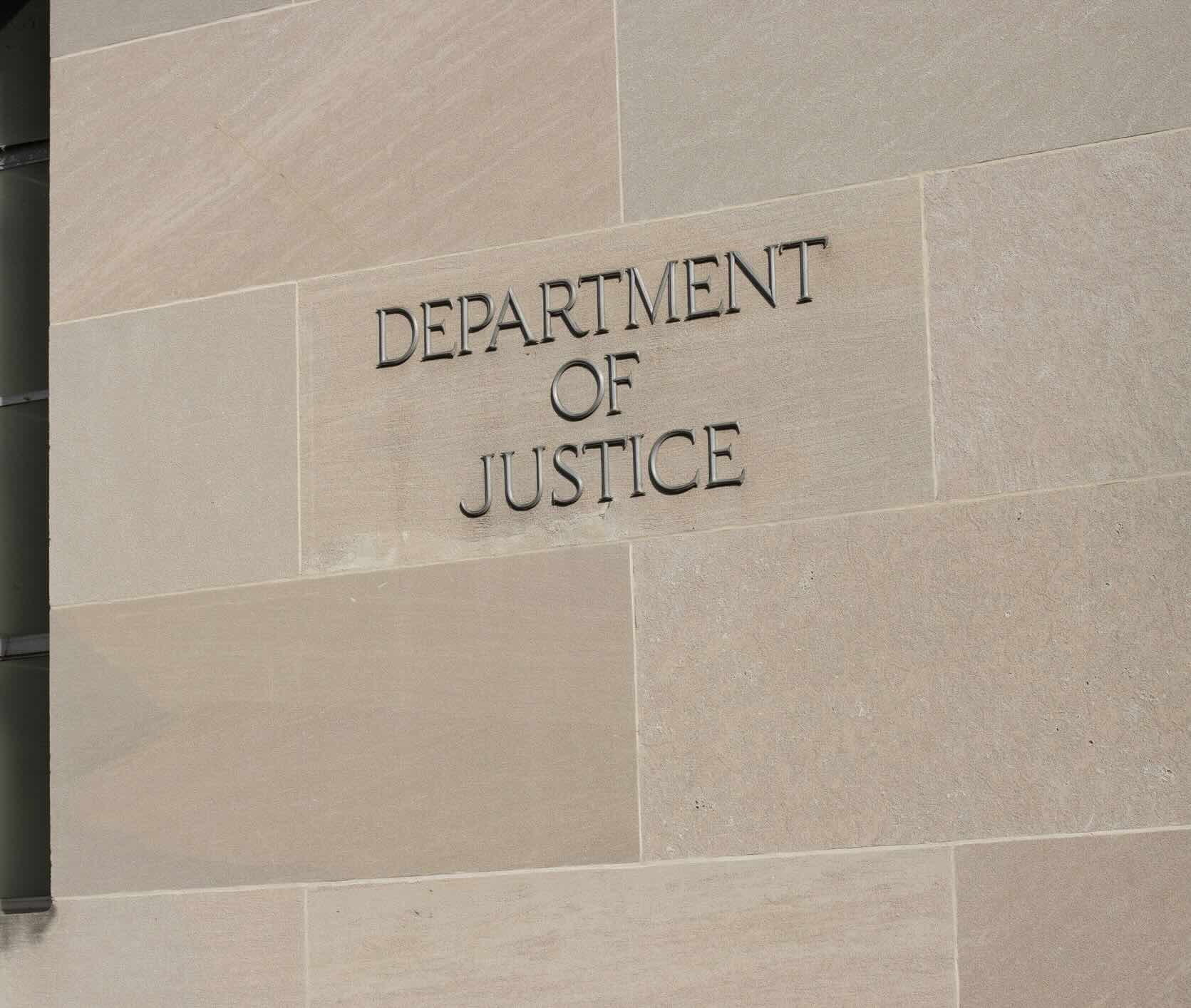
A federal court has entered a stipulated order requiring RentGrow to pay a $2.25 million civil penalty and accept an injunction to resolve allegations that its tenant-screening practices violated the Fair Credit Reporting Act and the Federal Trade Commission Act, the Justice Department announced Wednesday. The Federal Trade Commission investigated the case and referred it to the department.
The government's complaint, filed in the U.S. District Court for the District of Columbia, describes alleged failures at several points where the machinery of consumer reporting meets the person being reported on.
RentGrow failed to maintain reasonable procedures to assure the "maximum possible accuracy" of information in its tenant screening reports, according to the complaint. The government also alleged that when consumers asked to see the information held about them, the company failed to provide required disclosures about what their reports contained and where that information had come from.
Then there was the dispute process. Under the FCRA, consumers have rights when they believe information in a consumer report is inaccurate. The government alleged that RentGrow failed to comply with required procedures when consumers disputed the accuracy of its reports. It further alleged that the company told tenant applicants that, after a successful dispute, corrections or removals of inaccurate information were reported to landlords and property managers when that was not the case. The government characterized those representations as deceptive business practices in violation of the FTC Act.
The distinction matters because tenant screening is not an abstract exercise in data quality. The report arrives at a particular moment, in front of someone making a particular decision. An error can become consequential quickly, and a correction that fails to reach the landlord or property manager may come too late to repair what the error has already done.
"Tenant screening reports can significantly affect the outcome of a housing application," Assistant Attorney General Brett A. Shumate of the Justice Department's Civil Division said. Consumers, he added, deserve accurate and transparent reports and "a meaningful opportunity to address information that may affect them."
The stipulated order resolves the government's allegations without requiring the case to proceed through litigation. Along with the $2.25 million civil penalty, it imposes an injunction prohibiting the alleged misconduct and requires related compliance reporting, monitoring and recordkeeping.
The case is a useful reminder of what accuracy obligations look like once they leave the compliance manual and enter an operating process. A company can have a mechanism for disputes. It can have a mechanism for corrections. It can have disclosures. What matters under the FCRA is whether those mechanisms actually perform the functions the law requires of them.
For consumer reporting companies, that makes the compliance problem larger than the accuracy of the data sitting in a file at any given moment. It reaches the systems surrounding that data and where information comes from, what consumers are shown when they ask for it, how challenges are investigated and what happens after an error is found.
Those are procedural details until someone is waiting to hear whether they have a place to live.
The GRC Report is your premier destination for the latest in governance, risk, and compliance news. As your reliable source for comprehensive coverage, we ensure you stay informed and ready to navigate the dynamic landscape of GRC. Beyond being a news source, the GRC Report represents a thriving community of professionals who, like you, are dedicated to GRC excellence. Explore our insightful articles and breaking news, and actively participate in the conversation to enhance your GRC journey.
🔒
Continue reading with Access
Get full access to this analysis and everything else on GRC Report—enforcement databases, custom alerts, and market intelligence.
Get Access →
Already a member?
Sign In
Cancel anytime
Full archive access
Custom alerts
Sponsored by
