


Feb 9, 2024
Jun 23, 2026
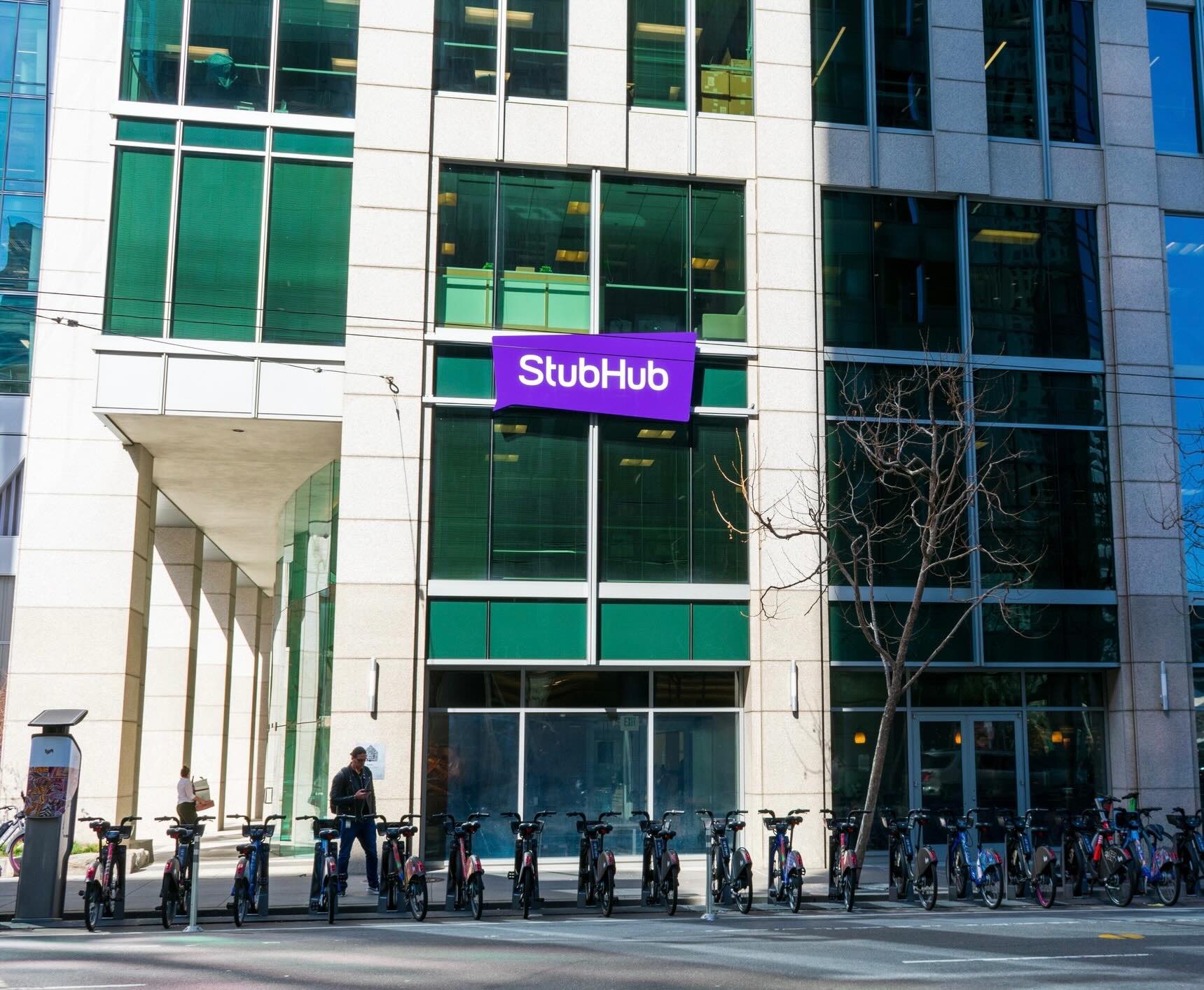
StubHub UK Ordered to Refund More Than 51,000 Customers Over Hidden Ticket Fees
.svg)

.svg)
.svg)
.svg)
Key Takeaways
- 51,350 Customers to Receive Refunds: The Competition and Markets Authority ordered StubHub UK to repay more than £590,000 to customers who were charged mandatory fees that were not disclosed upfront during the ticket purchasing process.
- £889,200 Fine for Drip Pricing: StubHub UK was fined £889,200 after the regulator found it failed to include unavoidable service and delivery fees in the ticket prices initially shown to consumers.
- Hidden Fees Added at Checkout: The CMA concluded that between April 6 and December 7, 2025, some customers only learned about mandatory charges at the final stage of checkout, a practice known as drip pricing.
- Early Settlement Reduced Penalty: StubHub UK admitted breaching consumer law, ended the conduct, cooperated with the investigation, and received a 40% reduction in its financial penalty by settling the case.
Deep Dive
More than 51,000 ticket buyers will receive refunds after Britain's competition watchdog concluded that StubHub UK illegally withheld mandatory fees until the final stage of the checkout process, a practice regulators have spent the past year trying to stamp out across online commerce.
The Competition and Markets Authority said that StubHub UK must repay more than £590,000 to affected customers and pay an £889,200 fine after an investigation found that some buyers were shown ticket prices that excluded unavoidable charges such as service and delivery fees.
The conduct affected customers purchasing tickets through the platform between April 6 and December 7, 2025. According to the CMA, those customers were not shown the full cost of their purchase at the beginning of the transaction. The additional charges appeared only when buyers reached the final checkout screen.
For the average customer, the amount involved was not particularly large. The regulator estimates the average refund will be about £10.33 per transaction. Yet the case was never really about the size of the fee. It was about when customers discovered it. A ticket listed at one price can look very different when a mandatory charge appears only after a buyer has spent time comparing options, selecting seats, and working through the purchasing process. Regulators refer to the practice as drip pricing because costs are revealed gradually rather than all at once.
Consumer groups have complained about the tactic for years. Competition authorities increasingly view it as more than an annoyance. The concern is that consumers are making purchasing decisions based on incomplete information and that businesses willing to display the real price upfront can be placed at a competitive disadvantage.
The company investigated, TICKETBIS, operates the StubHub UK marketplace, one of the country's largest platforms for buying and selling tickets to concerts, sporting events, and other live entertainment. Affected customers will not need to file claims. StubHub UK will contact eligible consumers directly and automatically return the money to the payment cards used for the original purchases.
The company admitted it had broken the law, ended the conduct, and agreed to settle the case with the regulator. Those decisions reduced the financial penalty by 40%, according to the CMA. As part of the settlement, the company also agreed not to challenge the regulator's findings in court. The numbers themselves tell part of the story. The refunds total slightly more than £590,000. The fine is larger, at £889,200. The broader story is what the case says about the CMA's evolving approach to consumer protection.
For years, British regulators largely relied on court action to enforce consumer law. That changed with the Digital Markets, Competition and Consumers Act 2024. When the CMA's strengthened enforcement powers came into force in April 2025, the authority gained the ability to impose substantial financial penalties directly and made clear that hidden fees would be among its first priorities.
Emma Cochrane, the CMA's Executive Director of Consumer Protection, said businesses should not lure consumers with what appears to be a lower price only for unavoidable charges to emerge later in the transaction. She said the regulator's action would return money to thousands of fans and warned companies to be transparent about costs or face enforcement action.
The agency has now secured more than £1.95 million in consumer refunds and imposed more than £5.7 million in penalties since the new regime took effect.
The GRC Report is your premier destination for the latest in governance, risk, and compliance news. As your reliable source for comprehensive coverage, we ensure you stay informed and ready to navigate the dynamic landscape of GRC. Beyond being a news source, the GRC Report represents a thriving community of professionals who, like you, are dedicated to GRC excellence. Explore our insightful articles and breaking news, and actively participate in the conversation to enhance your GRC journey.
🔒
Continue reading with Access
Get full access to this analysis and everything else on GRC Report—enforcement databases, custom alerts, and market intelligence.
Get Access →
Already a member?
Sign In
Cancel anytime
Full archive access
Custom alerts
Sponsored by
