



 Access Login

Feb 10, 2026
Apr 10, 2026
StubHub to Refund $10 Million After FTC Targets Hidden Ticket Fees
.svg)

.svg)
.svg)
.svg)
Key Takeaways
- $10 Million Consumer Refund: StubHub will pay $10 million to compensate consumers after regulators found its pricing practices violated federal rules.
- Upfront Pricing Required: The Federal Trade Commission determined StubHub failed to clearly disclose the total ticket price, including mandatory fees, in early stages of the purchase process.
- Fees Rule Enforcement Begins: The case marks a notable enforcement action under the FTC’s Fees Rule, which took effect in May 2025 and requires total price transparency.
- Warning Ignored: The FTC had previously warned StubHub about its pricing displays, but the company allegedly continued practices that obscured full costs.
Deep Dive
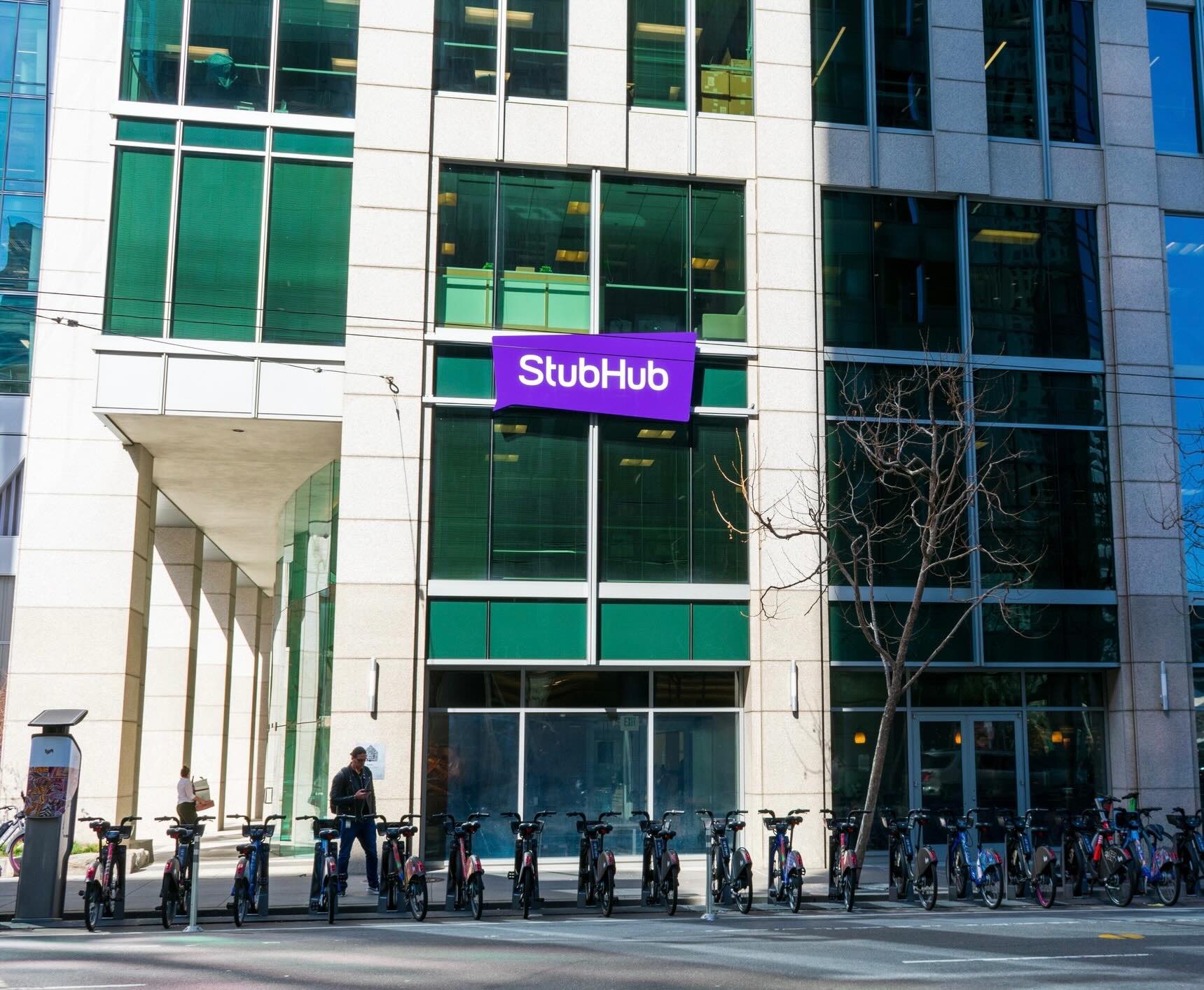
The Federal Trade Commission has secured a $10 million settlement with StubHub, forcing the ticketing giant to refund consumers after regulators found it failed to clearly show the true cost of tickets upfront.
At the center of the case is a familiar frustration for anyone who has bought tickets online. A price looks reasonable at first glance, only to climb steadily as fees appear later in the checkout process. According to the FTC, that is exactly what its Fees Rule was designed to prevent, and exactly what StubHub failed to fix even after being warned.
The agency alleges that, in the weeks following the rule taking effect in May 2025, StubHub continued to advertise ticket prices without including mandatory fees and without clearly presenting the total cost consumers would ultimately pay. In some cases, the total price was missing entirely from early listings. In others, fees were broken out later but never rolled into a single, clear figure.
That mattered most when demand was highest. The FTC points specifically to listings for National Football League games around the league’s schedule release in May 2025, when consumers were actively shopping and comparing prices across platforms.
Christopher Mufarrige, Director of the FTC’s Bureau of Consumer Protection, framed the issue in straightforward terms, saying the rule “makes it very clear” that total ticket prices must be disclosed upfront so consumers can make informed decisions.
From Warning to Enforcement
This wasn’t a surprise move. The FTC had already sent StubHub a warning letter in May 2025 flagging concerns that its pricing displays appeared to violate the rule. The regulation itself had just come into force days earlier, formally making it an unfair or deceptive practice to advertise a ticket price without prominently disclosing the total cost, including all mandatory fees.
The complaint suggests that, despite that early signal, the platform’s pricing flow remained largely unchanged. Consumers were still being shown partial prices in initial search results and early checkout screens, with the full cost either delayed or unclear.
That gap between what’s advertised and what’s ultimately charged is where the FTC is increasingly drawing a hard line.
What the Settlement Requires
The $10 million payment will go toward compensating affected consumers through a redress program, but the financial penalty is only part of the story.
The proposed order effectively rewrites how StubHub must present prices going forward. The company is barred from misrepresenting total prices, downplaying or obscuring fees, or presenting incomplete pricing without making the full cost clear and prominent. It must also ensure that consumers see the final payment amount before agreeing to a purchase.
In other words, no more surprises at the last step.
A Push on “Junk Fees”
The case lands amid a wider regulatory push to tackle so-called hidden or “junk” fees, particularly in industries where pricing is fragmented across multiple steps. The Administration’s recent executive order on ticketing specifically called on the FTC to ensure transparency throughout the entire purchase process, including in secondary markets where resale platforms operate.
For companies, especially those operating digital marketplaces, the message is becoming harder to ignore. Pricing isn’t just about accuracy anymore. It’s about presentation, timing, and whether the consumer can clearly understand the full cost from the outset.
And for regulators, this case signals that the Fees Rule is no longer just a framework on paper. It’s now an enforcement tool and one that’s already being put to use.
The GRC Report is your premier destination for the latest in governance, risk, and compliance news. As your reliable source for comprehensive coverage, we ensure you stay informed and ready to navigate the dynamic landscape of GRC. Beyond being a news source, the GRC Report represents a thriving community of professionals who, like you, are dedicated to GRC excellence. Explore our insightful articles and breaking news, and actively participate in the conversation to enhance your GRC journey.
🔒
Continue reading with Access
Get full access to this analysis and everything else on GRC Report—enforcement databases, custom alerts, and market intelligence.
Get Access →
Already a member?
Sign In
Cancel anytime
Full archive access
Custom alerts
Sponsored by
